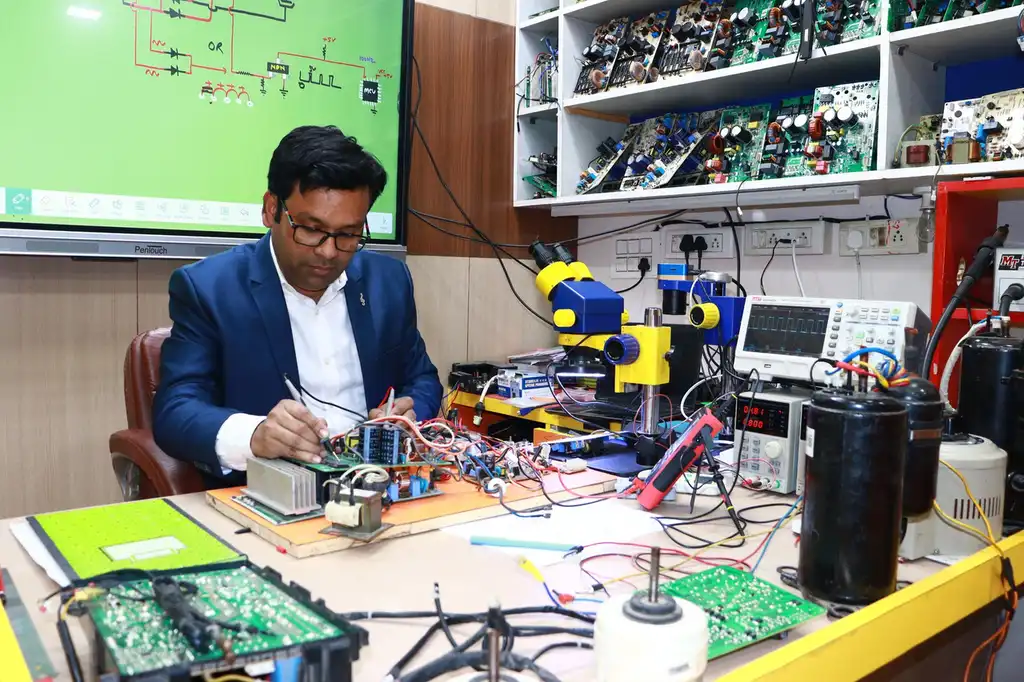
For Homes
We handle gas furnaces, heat pumps, and ductless systems in houses and condos across the valley. Most no-heat calls get a same-day visit.
- Furnace will not light
- Heat pump blows cold
- Thermostat blank or dead
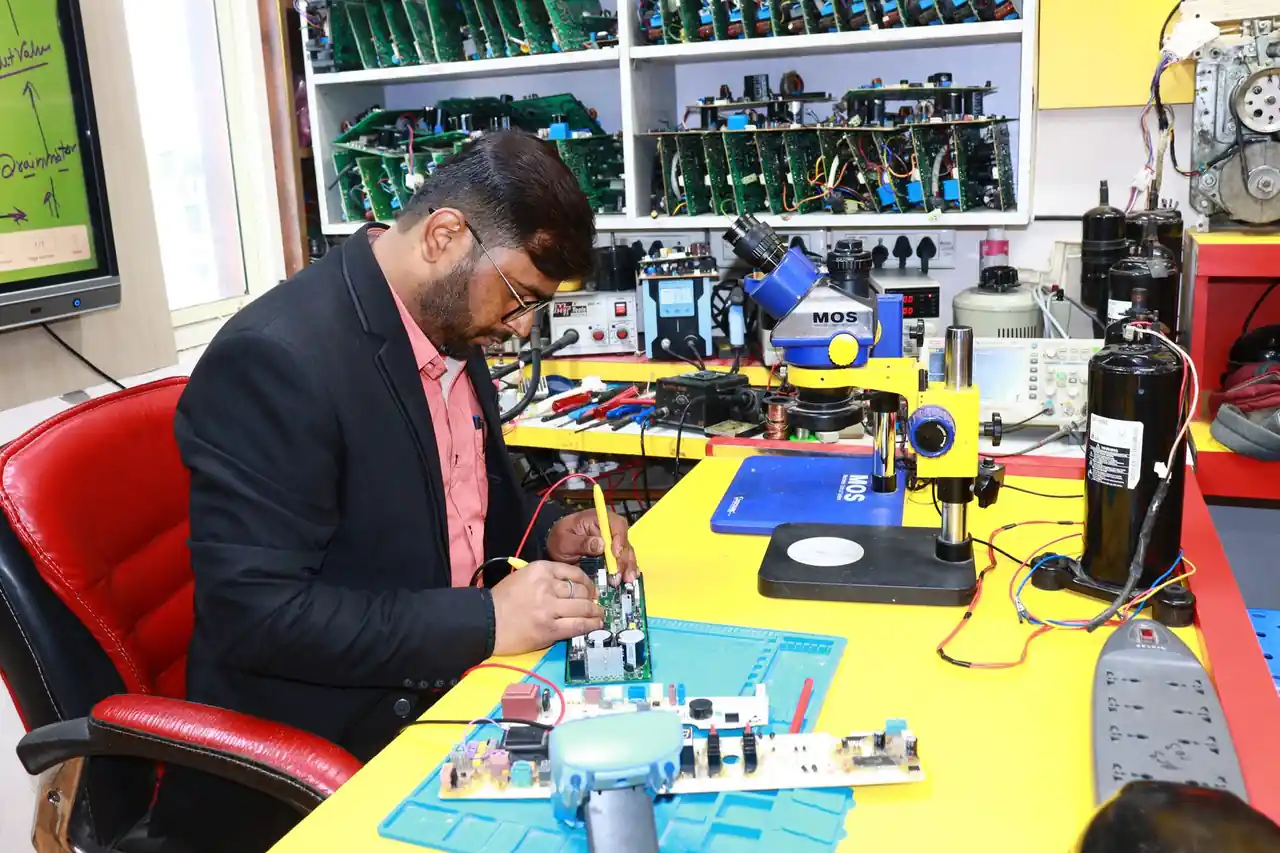
When your furnace quits on a cold desert night, you need Heating Repair Las Vegas NV you can actually reach. Vegas Air Fix sends a technician to your door, diagnoses the fault, and gets your heat running again. We handle gas furnaces, heat pumps, and ductless systems for homes and small businesses from Downtown to Summerlin. One call, one visit, heat restored.
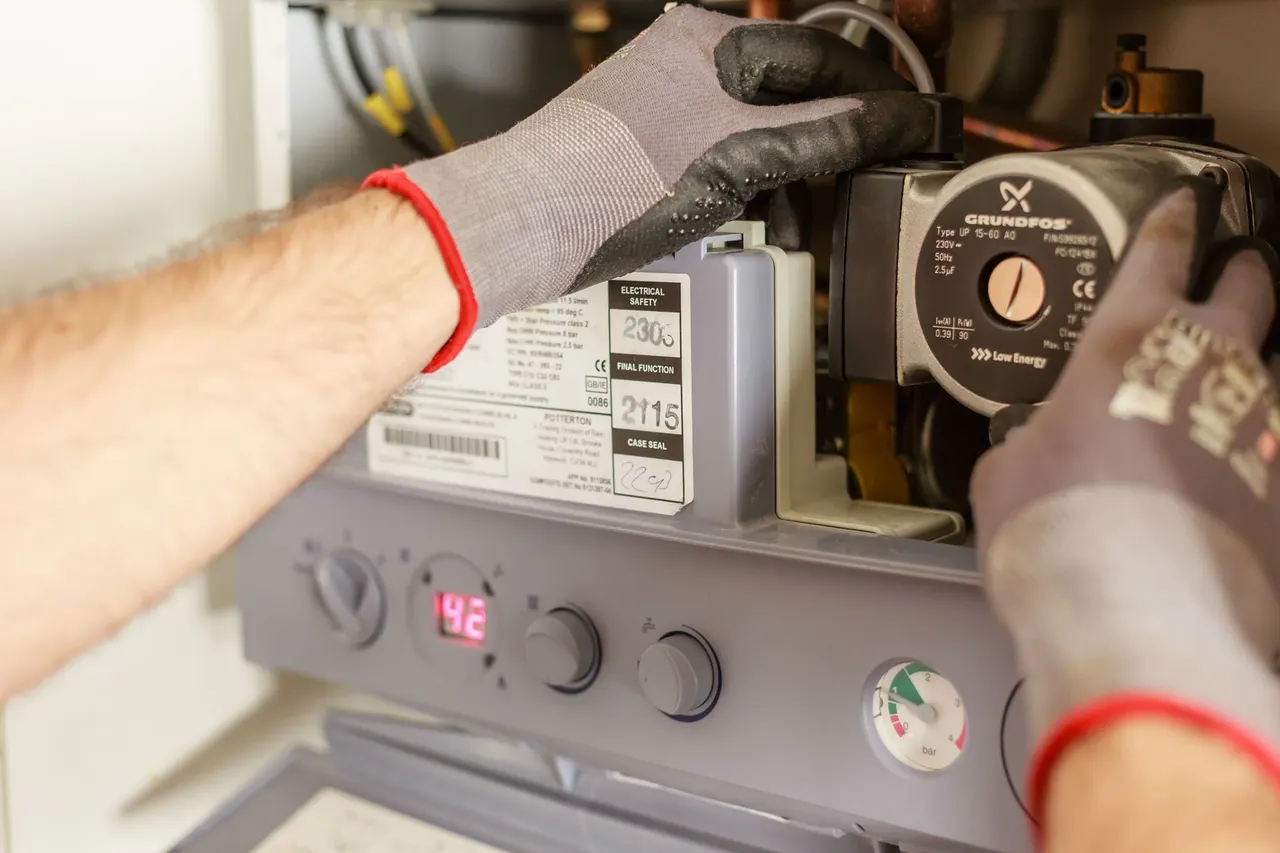 Test ignitorCheck capacitorVerify gas pressure
Every heating repair call includes a full diagnostic, the repair itself, and a test run before we leave. Here is what is standard and what depends on what we find.
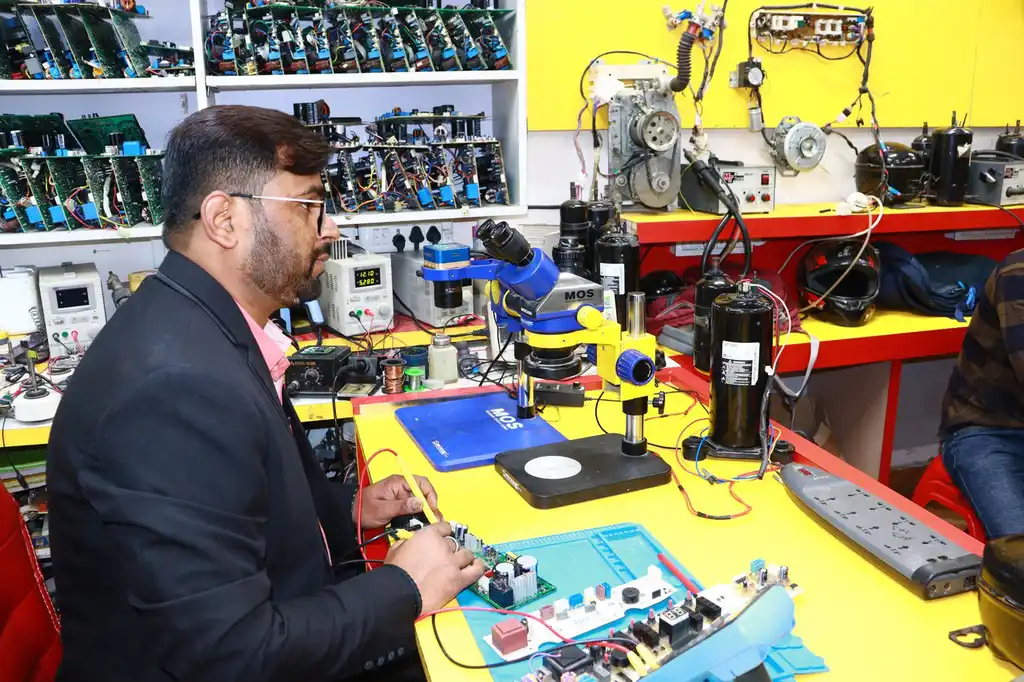
We test the thermostat, control board, ignitor, flame sensor, capacitor, blower motor, and safety switches. On heat pumps we check refrigerant charge and defrost operation. You get a clear explanation of what failed and why.
We swap the failed component with a matching part, whether that is a capacitor, contactor, ignitor, flame sensor, or blower motor. Common parts come off the truck, so most repairs finish the same visit.
A dirty evaporator coil or clogged filter strains the whole system. We inspect both, clean what we can on site, and tell you the correct filter size and change interval for your unit.
On furnaces we check gas pressure at the manifold. On heat pumps we verify refrigerant charge with a manifold gauge set. Both are set to manufacturer spec before we call the job done.
We run the system through a complete heating cycle and measure temperature rise between supply and return. If the numbers are off, we keep working until they are right.
We confirm your thermostat is reading the room correctly and set it back to your normal schedule. If it is a Nest or Ecobee, we check the app connection and schedule before we leave.
The approach is the same for a home and a business. What changes is the access, the schedule and who needs the paperwork.
We handle gas furnaces, heat pumps, and ductless systems in houses and condos across the valley. Most no-heat calls get a same-day visit.
We service rooftop units and split systems for shops, restaurants, and small offices. Scheduling works around your operating hours.
A plain-language look at what Heating Repair involves and when it is needed.
See how it worksHeating Repair Las Vegas NV is the diagnostic and mechanical work that finds out why a furnace, heat pump, or ductless system stopped producing heat and returns it to safe, code-correct operation. A proper call starts with a multimeter and clamp meter on the control board, then moves to the ignitor, flame sensor, capacitor, and blower motor. We check gas pressure on furnaces, refrigerant charge on heat pumps, and thermostat communication on both. Most no-heat calls trace back to a failed ignitor, a bad capacitor, a clogged filter, or a thermostat that lost its settings.
Las Vegas winters swing hard. You can run the AC at 2 p.m. and need the furnace by 9 p.m., and that whiplash wears parts out faster than a steady cold climate would. Heat pumps here cycle between heating and defrost mode all night, which stresses the reversing valve and defrost board. If your heater is not working, repair in Las Vegas is usually a same-day job when you call before the afternoon rush. We stock the common parts for Carrier, Trane, Lennox, Goodman, and Rheem units so most homes get fixed on the first visit.
Most no-heat calls trace back to a failed ignitor, capacitor, or defrost board, and most are fixed the same day.
From your first phone call to the moment warm air hits the register, here is the sequence. No mystery, no waiting around all day for a window.
You call and describe what the system is doing: no heat at all, short cycling, cold air from the vents, or a smell. We ask for your ZIP and system type, then book a window. Most calls in 89146, 89149, and 89107 get a same-day slot. You get a text when the technician is on the way.
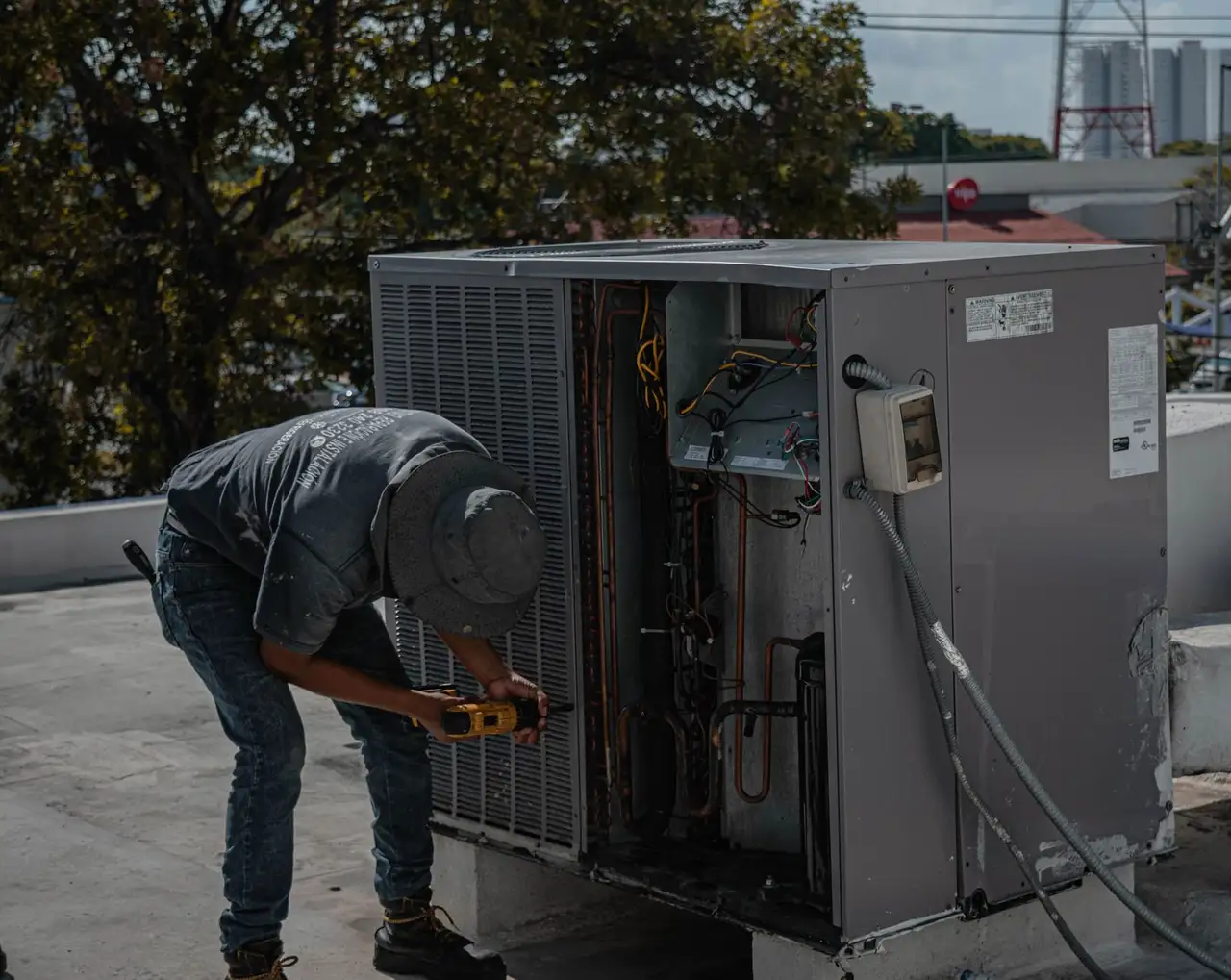
The technician walks your system, checks the thermostat, filter, and breaker, then pulls panel covers to inspect the control board and blower. This takes 10 to 15 minutes. You get a plain-English rundown of what looks wrong before any tools come out of the bag.
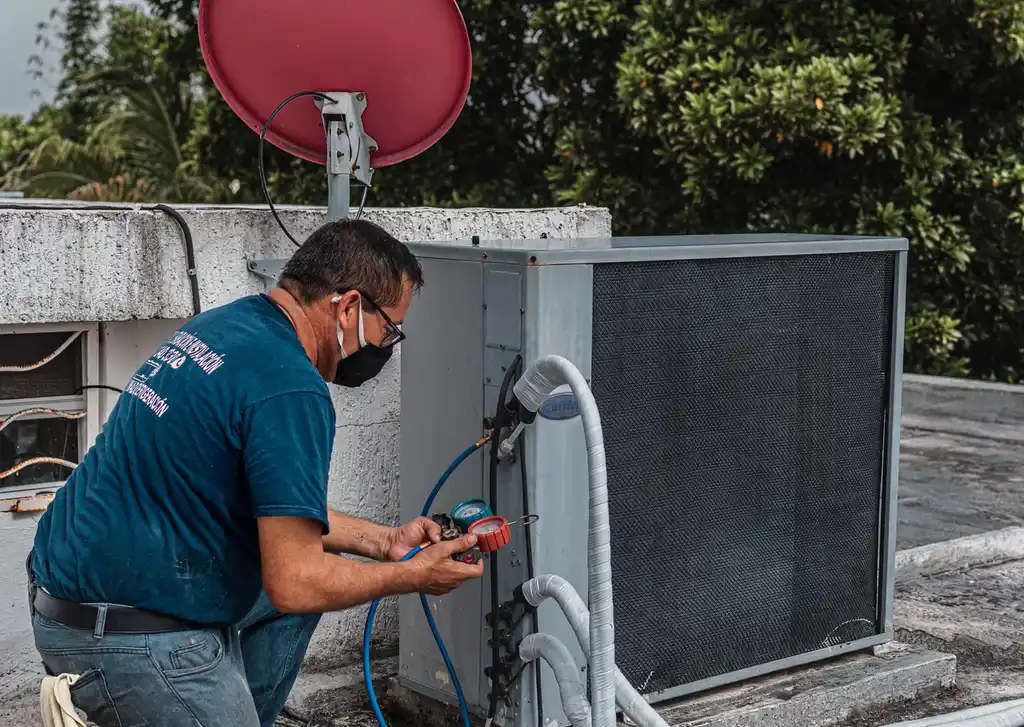
Using a multimeter, clamp meter, and manifold gauge set, we test the ignitor, flame sensor, capacitor, and refrigerant charge. You see the readings. We quote the repair on the spot, including the part and labor, and you decide. No pressure, no surprise line items.
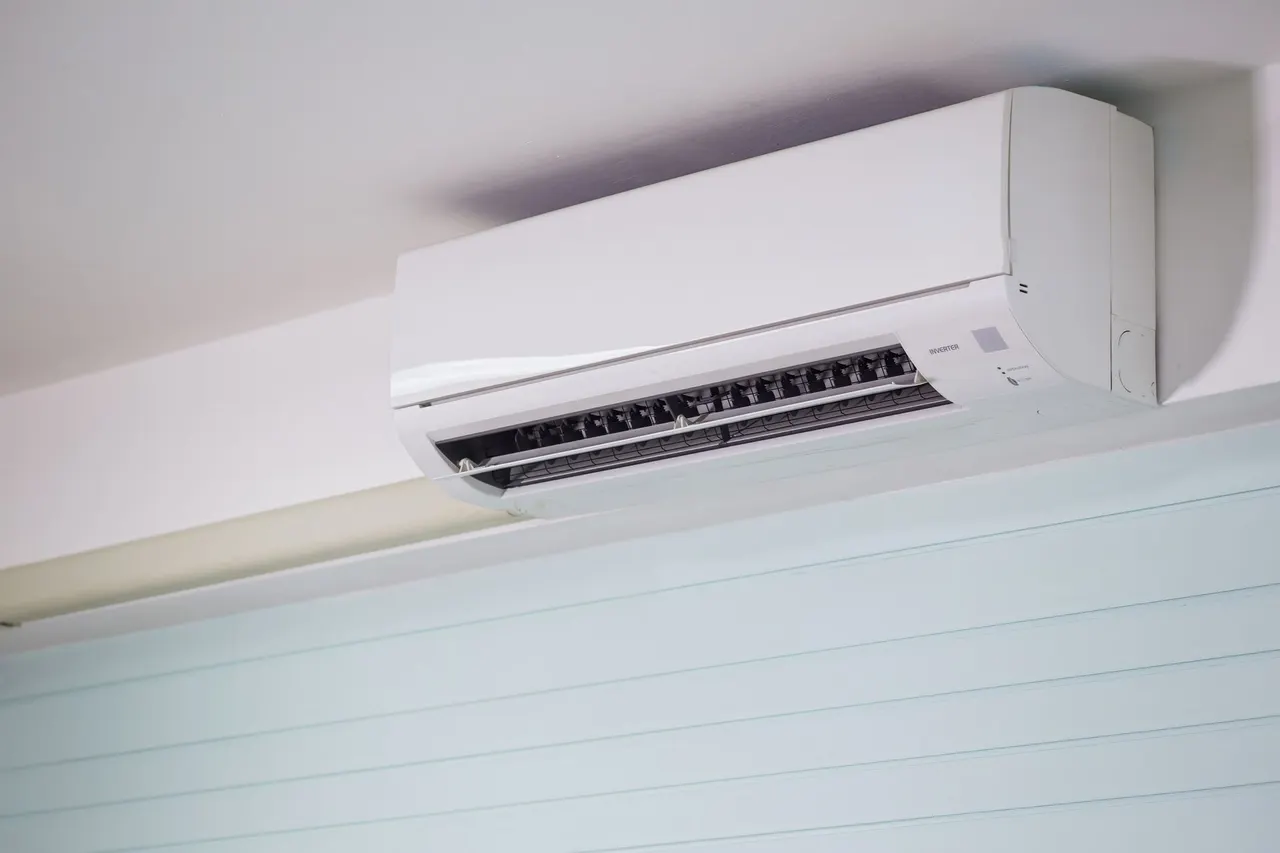
Once you approve, we swap the failed part, clean the flame sensor or condenser coil, and restore gas or refrigerant to spec. Then we run the system through a full heat cycle, checking temperature rise at the supply and return. Most repairs take 45 to 90 minutes.
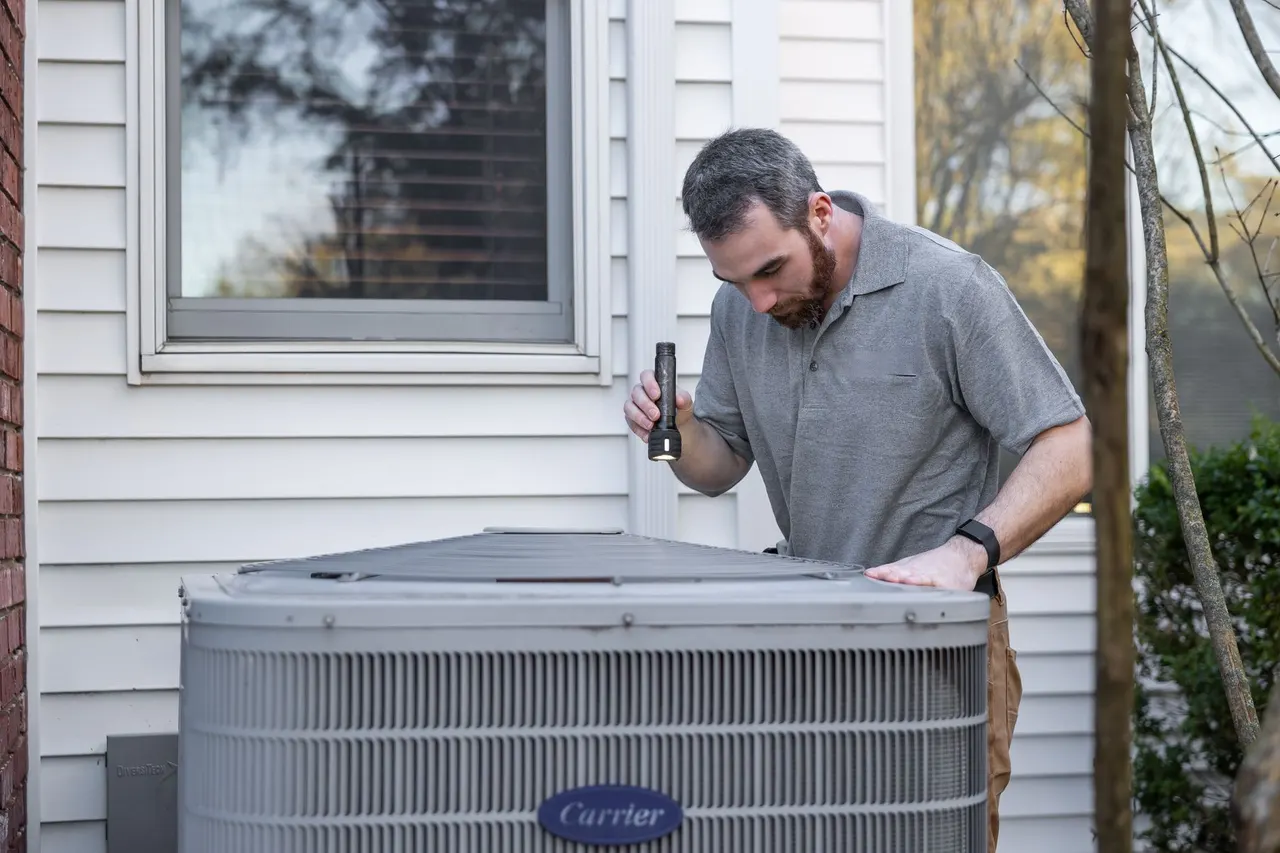
Before we leave, we show you the old part, confirm the heat is holding, and set your thermostat to your normal schedule. We check the filter and tell you the next size to buy. If anything else looks like it will fail soon, you hear about it now, not at 2 a.m. in January.
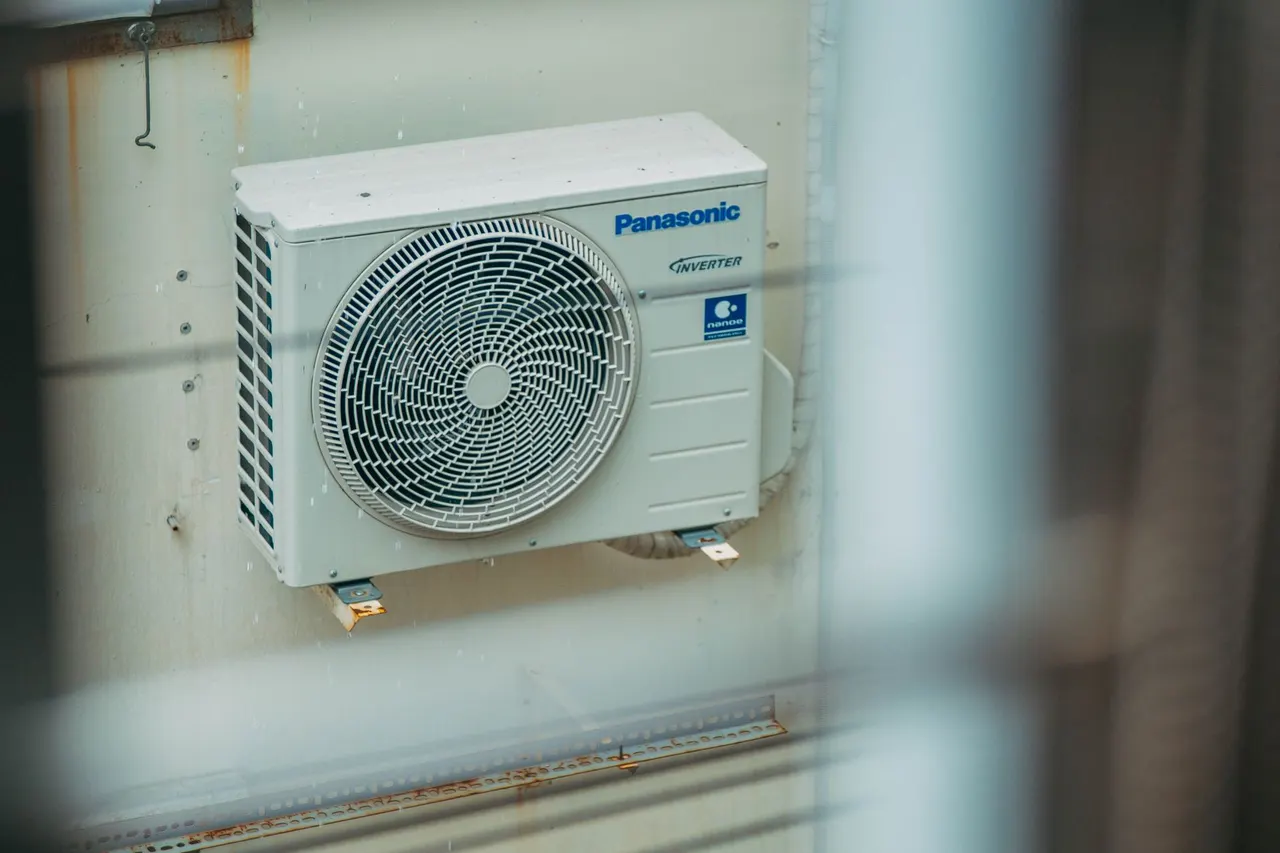
Move across a circle, or focus it and press Enter, for an illustrative thermal view of the photograph.
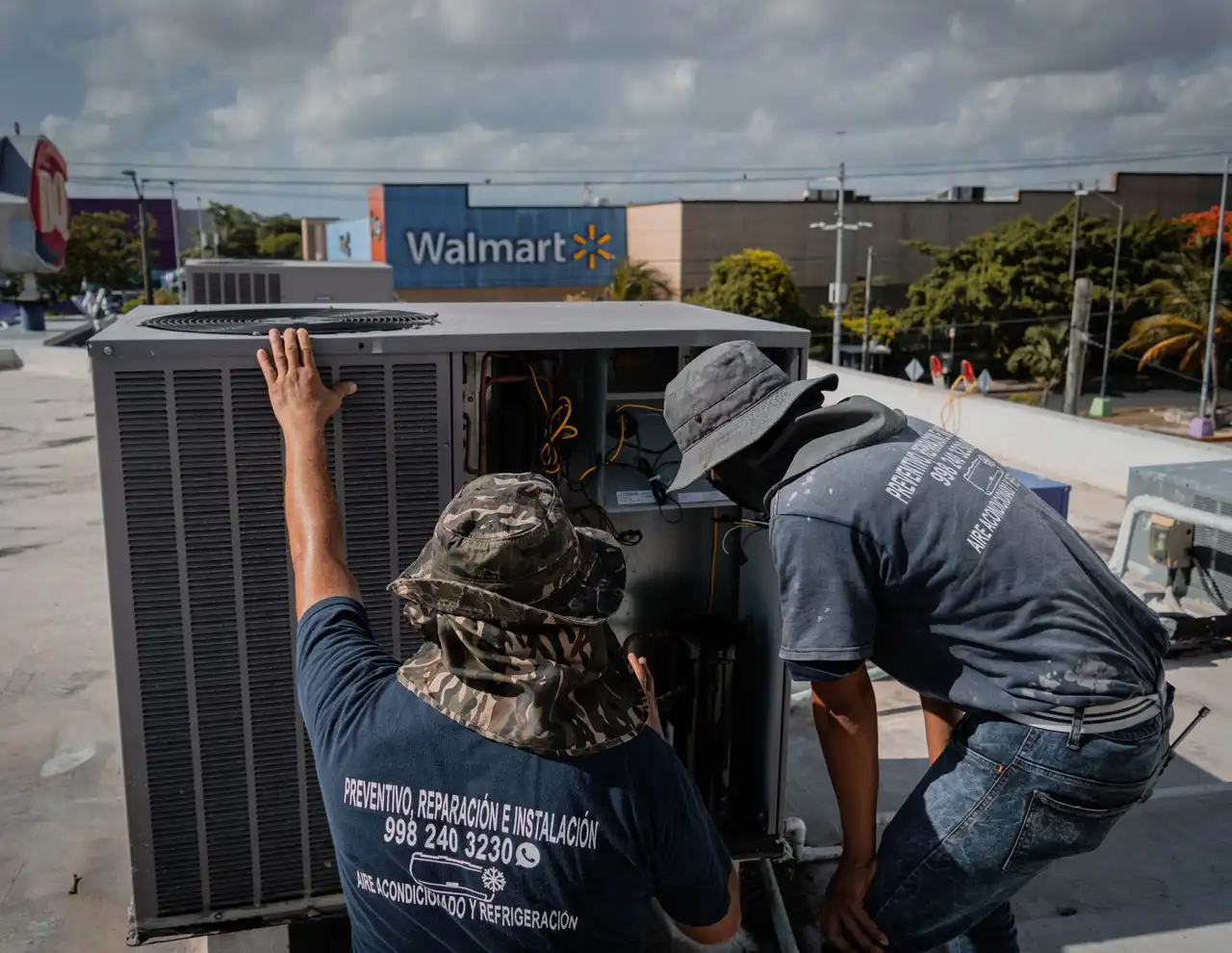
Reads high and low side refrigerant pressures on heat pumps to confirm charge and spot restrictions in the line set.
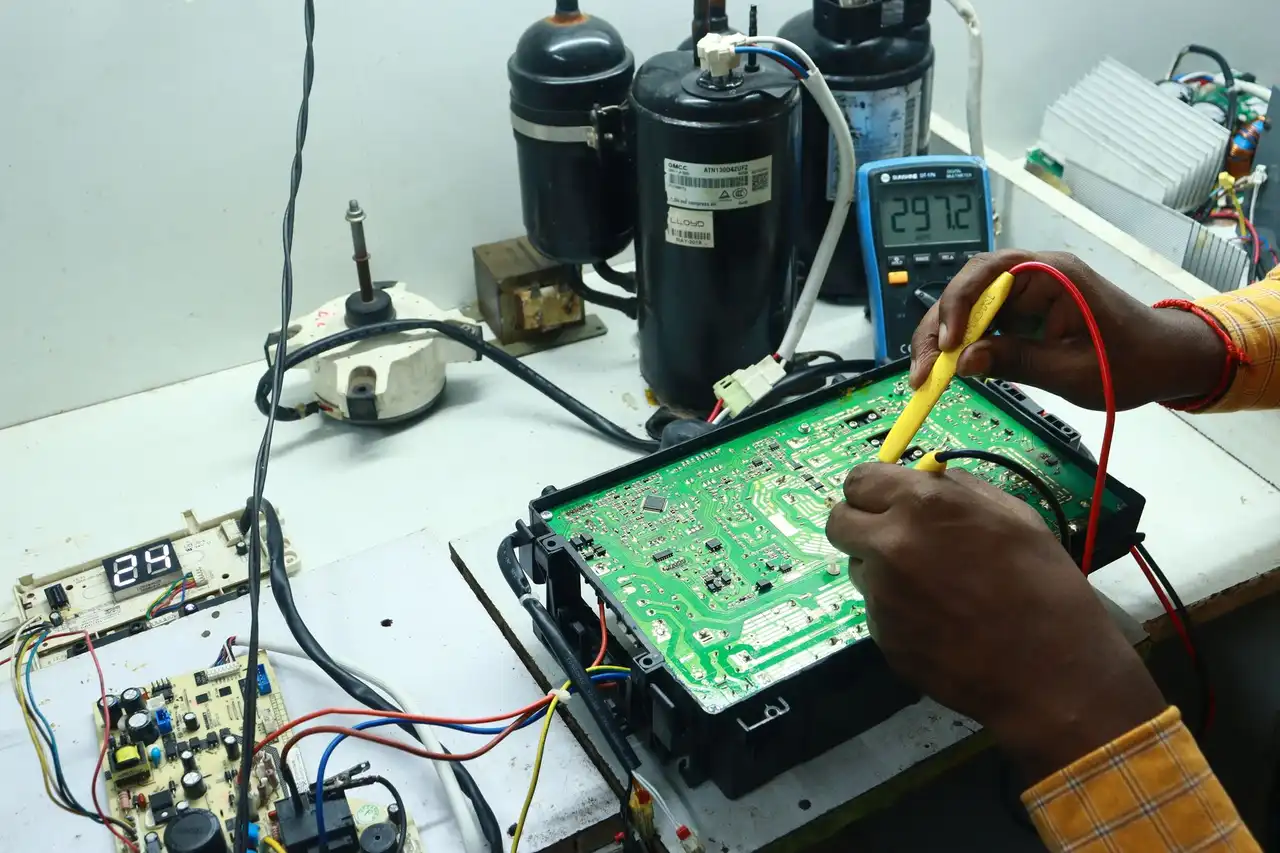
Tests voltage and amperage at the control board, ignitor, blower motor, and capacitor to pinpoint electrical faults.
Recovers refrigerant per EPA Section 608 rules and pulls a deep vacuum before any system is recharged.
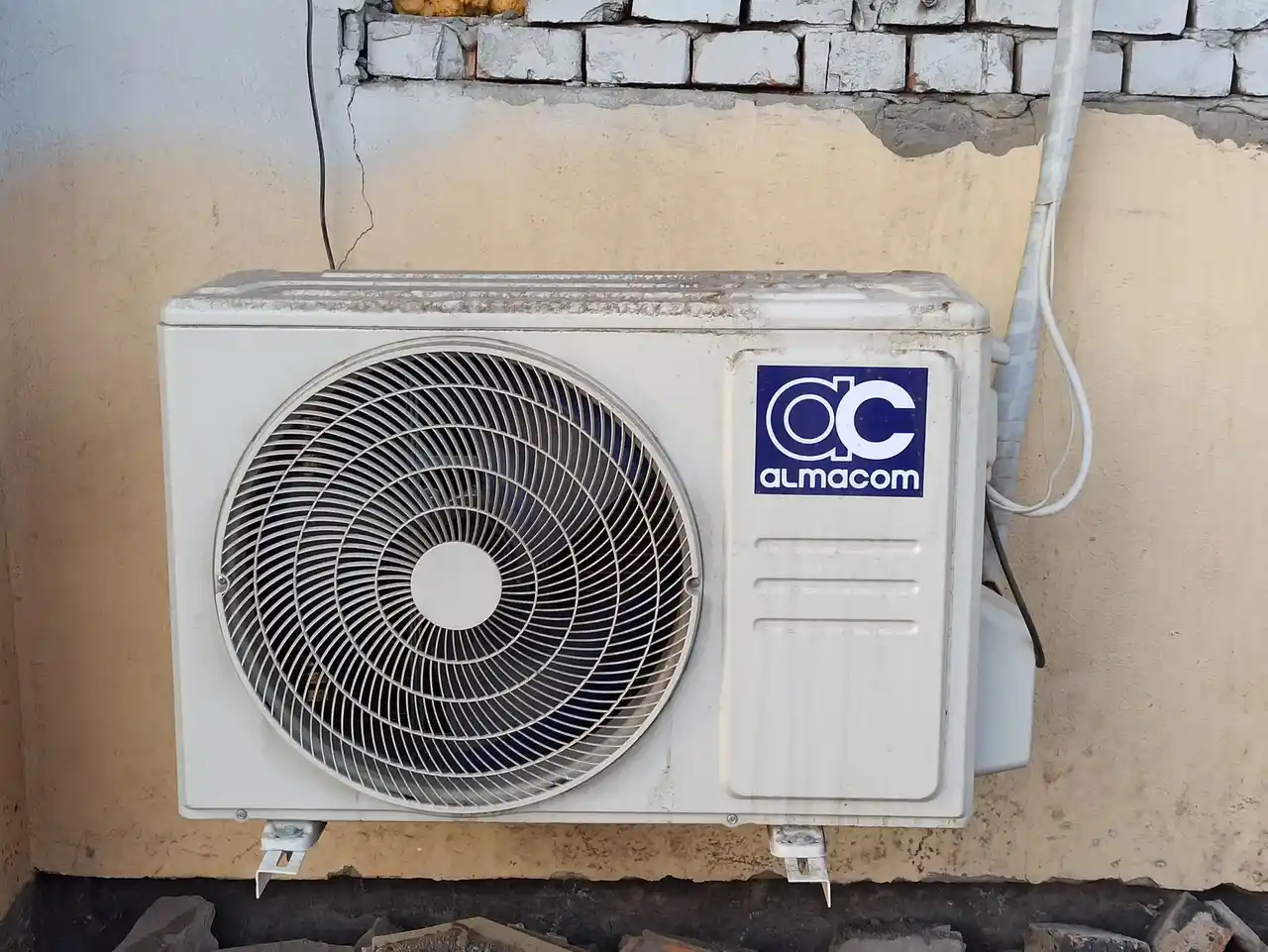
Finds refrigerant leaks on evaporator and condenser coils, line sets, and flare fittings that pressure readings alone can miss.
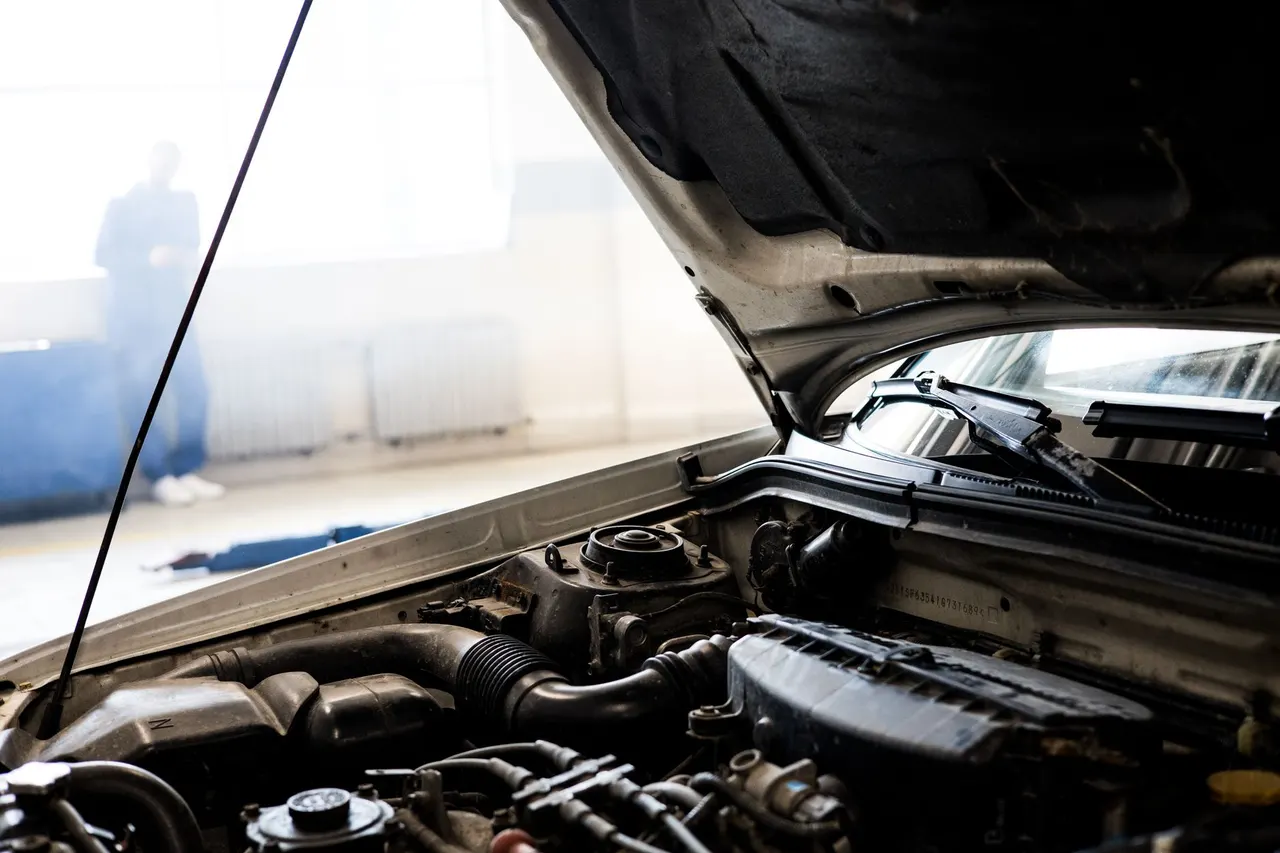
Checks gas furnace combustion for safe operation and confirms the heat exchanger is not leaking carbon monoxide into the supply air.
Thermal views are illustrative, generated from the photographs.
Straightens bent condenser fins and clears dirt from coils so airflow and heat transfer stay at spec.
All refrigerant work follows EPA Section 608 rules for recovery, recycling, and charging. We recover refrigerant into approved cylinders, never vent it, and recharge by weight using a refrigerant scale for R-410A and R-32 systems.
When a repair turns into a replacement conversation, we run a Manual J load calculation using room dimensions, insulation, window area, and Las Vegas design temperatures. This prevents oversized equipment that short-cycles and leaves rooms uneven.
We follow a fixed diagnostic order: power, thermostat, control board, ignition or refrigerant circuit, airflow, then safety switches. Working in sequence catches the root cause instead of replacing parts until something works.
Any equipment we install follows ACCA and AHRI standards for sizing, line set routing, and airflow.
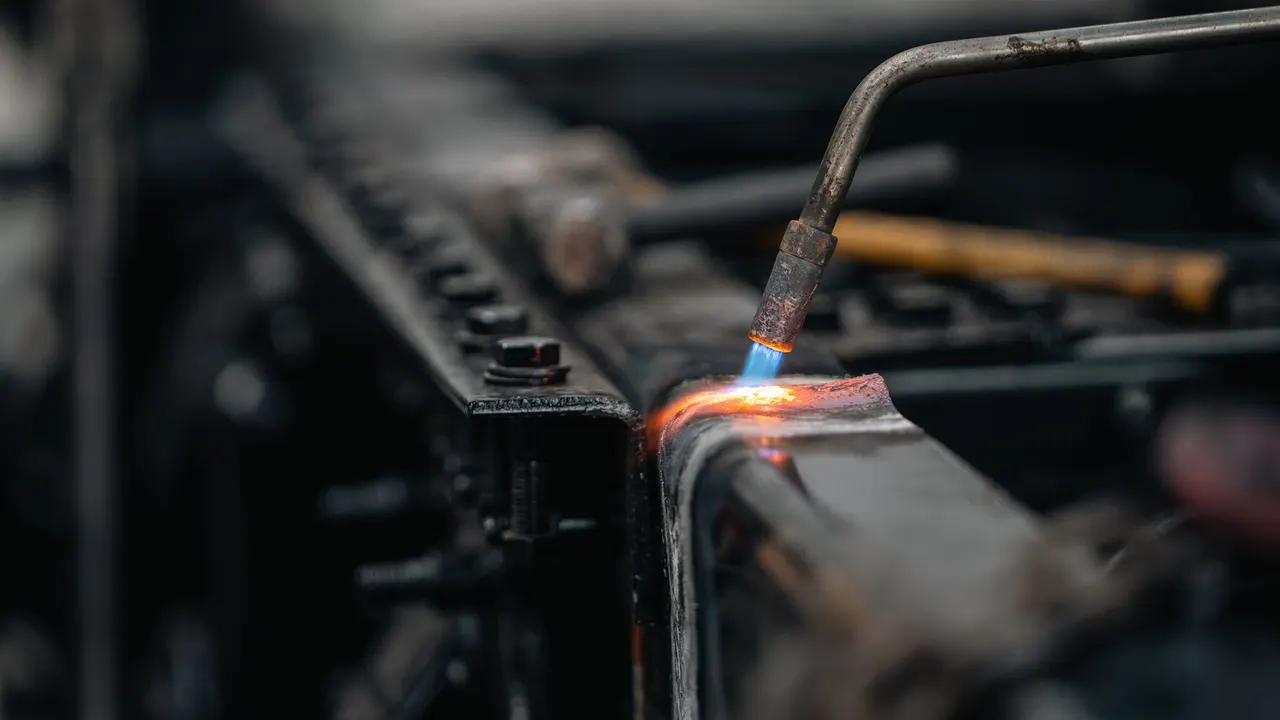
Furnace quits on the first cold night of December and the house drops below 60 by morning.
We prioritize no-heat calls and get a technician out the same day. The tech diagnoses the fault, replaces the failed part from the truck, and tests the system through a full heat cycle before leaving.
Outcome: Heat restored the same day, usually within a few hours of your call, with the repair price quoted before work starts.
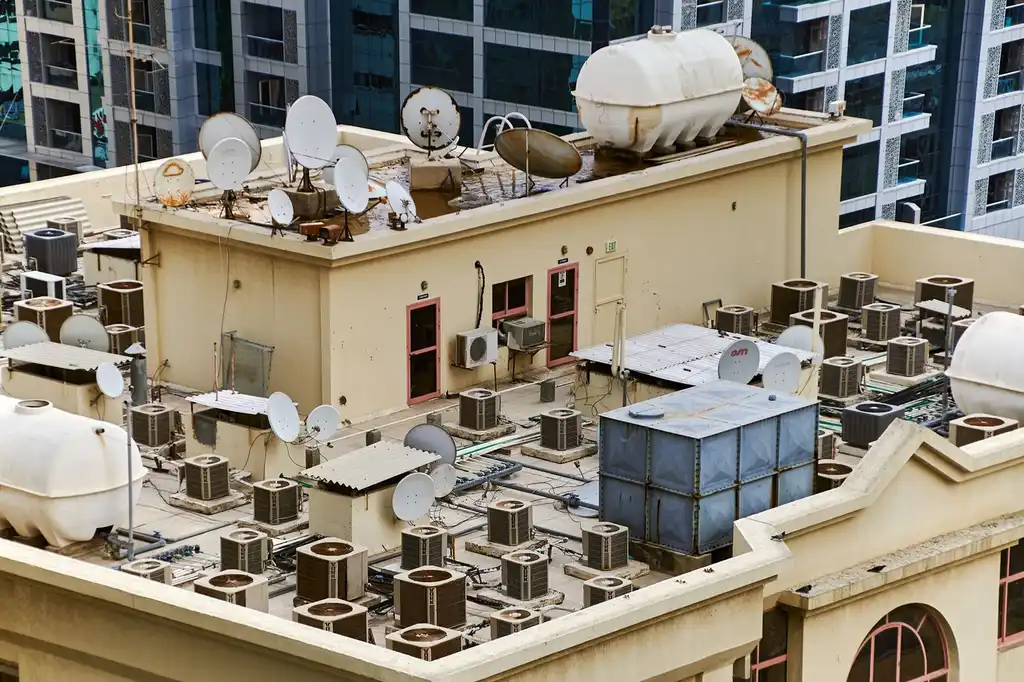
Heat pump runs constantly but the house never gets warm, and the outdoor unit is iced over.
We test the defrost board, reversing valve, and refrigerant charge. If the defrost cycle is stuck, we replace the board and verify the system switches between heating and defrost correctly.
Outcome: The system heats normally again, the outdoor coil stops icing, and your power bill drops back to normal.
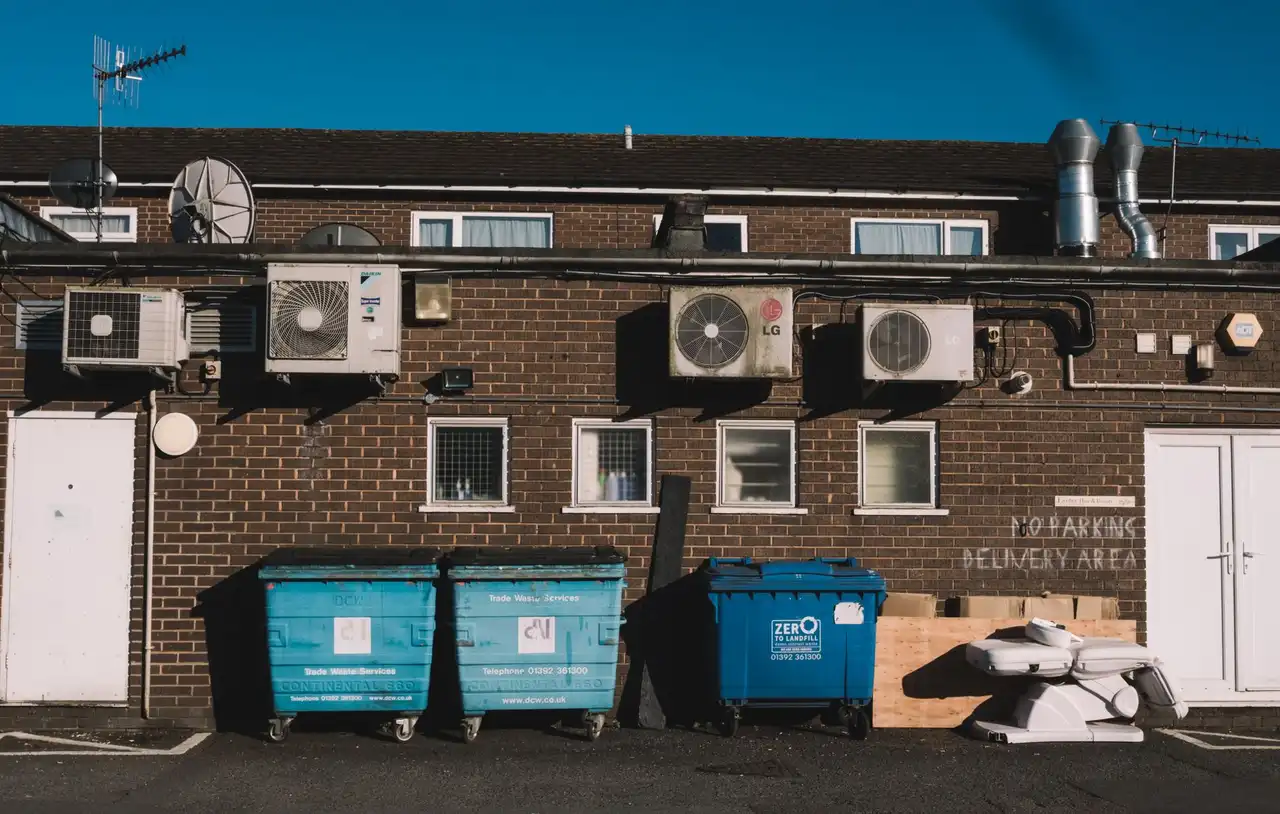
You wake up to a burning smell from the vents and the furnace has shut itself off.
We inspect the heat exchanger, blower motor, and wiring for overheating. A burning smell often means dust on the heat exchanger on first startup, but it can also signal a failing motor or a cracked exchanger.
Outcome: You get a clear answer on whether it is routine dust burn-off or a safety issue, and the system is either cleaned and tested or repaired before we leave.
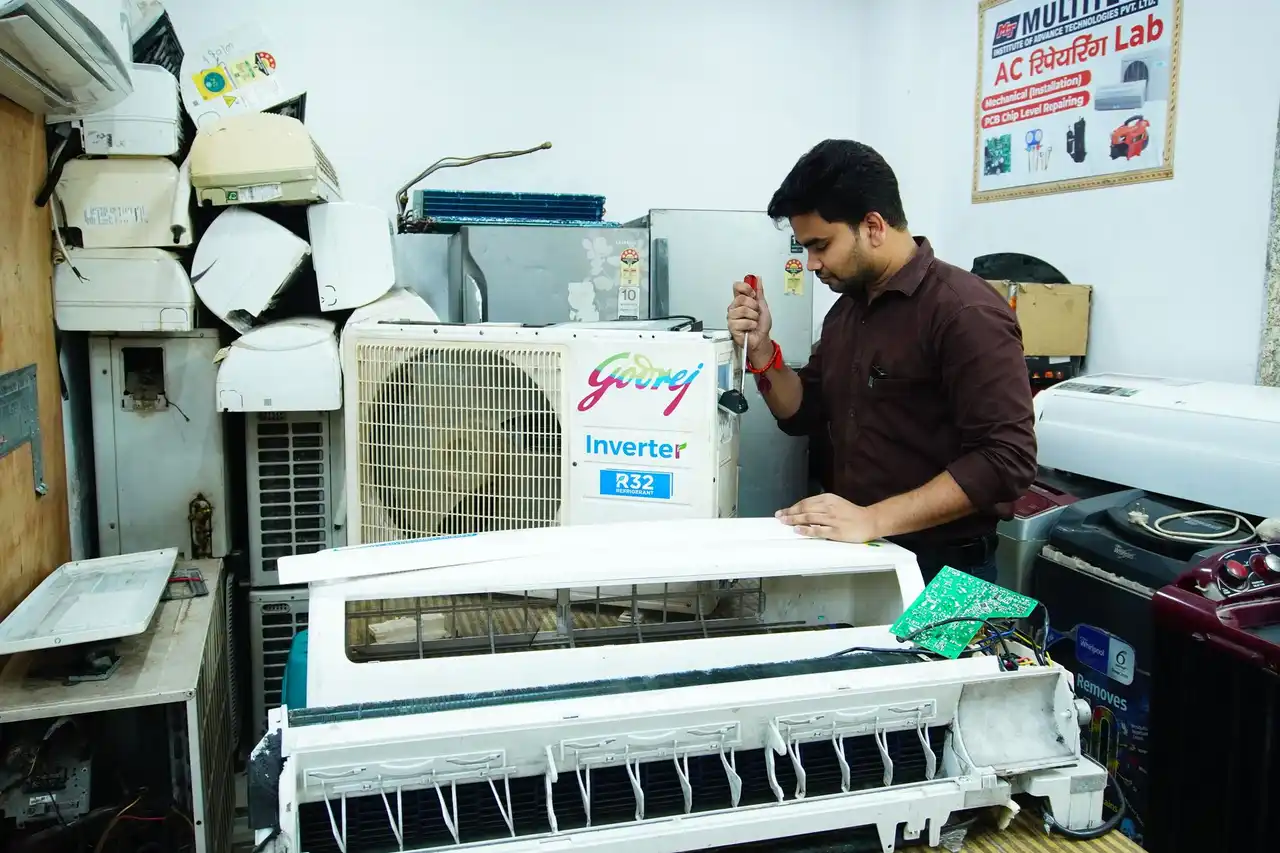
A rental property loses heat and the tenant is calling after hours.
We take the after-hours call, dispatch a technician, and handle the repair directly. You get a text with photos and the invoice before the tech leaves the property.
Outcome: The tenant has heat the same night, and you have documentation for your records without driving across town.
Your furnace is 18 years old and the repair quote is close to half the cost of a new unit.
We walk you through the repair cost, the age of the system, and what a replacement would run. We use a Manual J load calculation to size any new equipment correctly for your home.
Outcome: You make an informed call between repairing and replacing, with no pressure either way and a clear number for both paths.
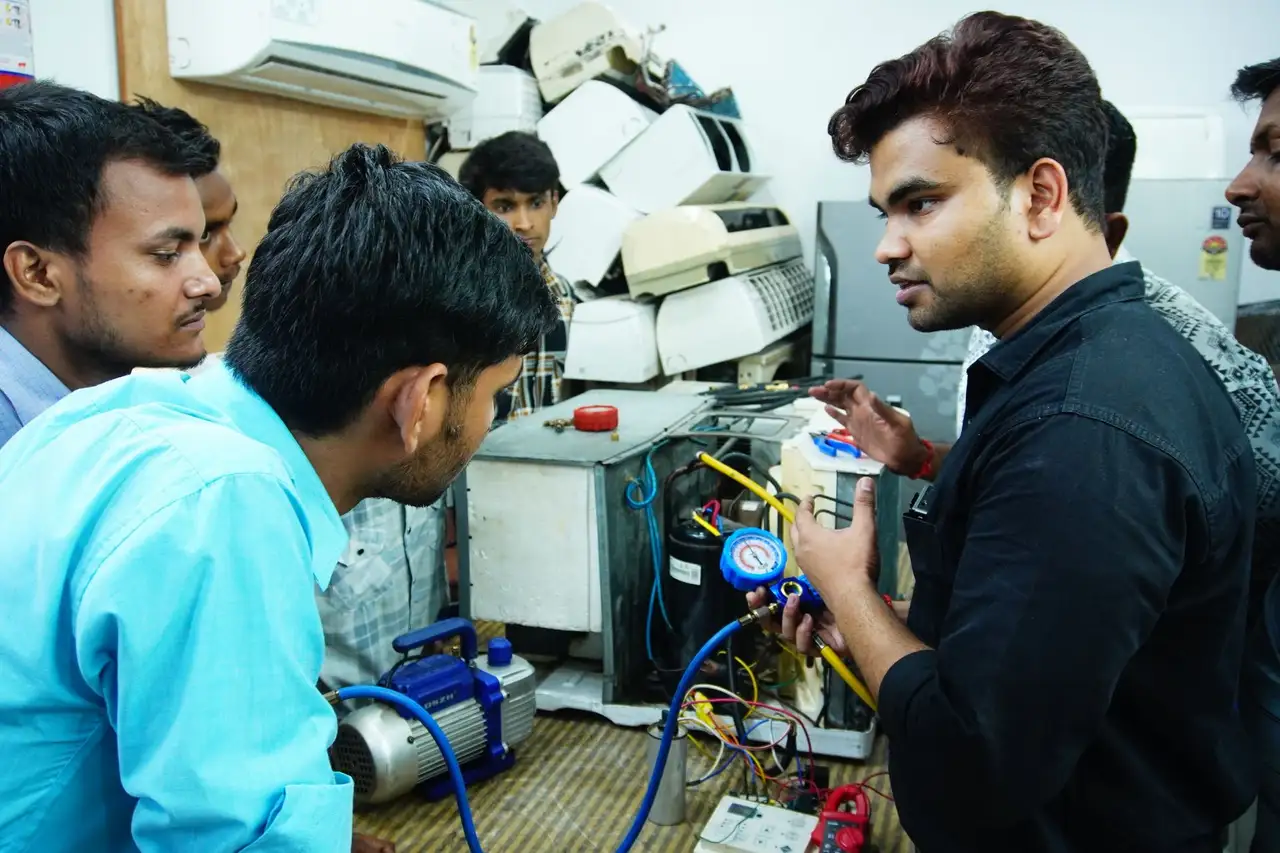
Las Vegas heating is different from most of the country. We do not get long, steady winters; we get sharp cold snaps that hit fast and fade in a week. That pattern means furnaces and heat pumps sit idle for months, then get slammed into service on the first cold night. Idle equipment fails more often than equipment that runs regularly, which is why our busiest weeks are the first cold fronts of December and January.
Heat pumps are the most common heating system in newer builds around Summerlin, Enterprise, and the Northwest, and they cycle between heat and defrost all night in cold weather. That stresses the defrost board and reversing valve. Older homes near Downtown and Sunrise Manor often still run gas furnaces, and those units tend to fail on the ignitor or flame sensor after a long summer off.
If you are searching for affordable heating repair in Las Vegas, the honest answer is that catching the problem early is what keeps the cost down.
Before: A family in Henderson called at 9 p.m. with no heat and the house already at 58 degrees. The furnace was throwing a lockout code and would not restart. The ignitor had failed and the flame sensor was coated in dust from sitting idle all summer.
After: We replaced the ignitor, cleaned the flame sensor, and verified gas pressure at the manifold. The furnace lit on the first try and held a 45-degree temperature rise. Total time on site was 70 minutes, and the house was back to 70 degrees before we left.
Change the filter every 60 days during heating season and book a fall tune-up so the ignitor and flame sensor get checked before the first cold night.
Before: A homeowner in Summerlin reported the heat pump running constantly but blowing cool air. The outdoor unit was iced over and the system never switched out of defrost. Two prior companies had quoted a full system replacement.
After: We tested the defrost board and found it was not sending the switch signal. We replaced the board, verified refrigerant charge with a manifold gauge set, and ran the system through both heating and defrost cycles. The heat pump heated normally and the outdoor coil stopped icing.
Keep the outdoor unit clear of debris and schedule a fall check so the defrost cycle is tested before winter.
Before: A Spring Valley homeowner called about the furnace short cycling and the house never reaching the set temperature. The filter had not been changed in over a year, and the blower motor was drawing high amps because of restricted airflow.
After: We replaced the filter, cleaned the blower wheel, and tested the capacitor, which was still within spec. Amperage dropped back to normal and the system ran a full cycle without shutting down. Temperature rise came in at 42 degrees, right in range.
Set a phone reminder to change the filter every 60 days.
Most no-heat calls fall into a handful of categories. Here are the ones we see most, what happens if you ignore them, and how we handle each.
A working heater, tested under load, with the failed part shown to you.
We schedule same-day heating repair Las Vegas NV visits for most no-heat calls placed before 2 p.m. Our trucks carry ignitors, capacitors, contactors, and universal thermostats, so roughly 8 out of 10 jobs finish in one trip. You get a working furnace, not a parts order and a second appointment.
Our technician shows you the failed part, explains what it does, and tells you what it costs to fix before any work starts. No upsell to a new system when a repair will do the job.
When the heat dies at 11 p.m. and the house is dropping toward 55 degrees, we take the call. Emergency heating repair Las Vegas service covers failed ignitors, tripped limit switches, and heat pump lockouts. We prioritize homes with kids, elderly residents, or medical equipment that needs warmth.
We set gas pressure to manufacturer spec, test defrost cycles on heat pumps, and check that your thermostat is reading the room correctly. A repair that ignores those steps comes back in three weeks. Ours are tested under load before we pack up, so the heat holds through the next cold snap.
Clear records you can keep and share.
Itemized parts and labor.
Images of the failed part.
Temperature rise and amp draw.
Correct size and change interval.
Age, repair cost, and part availability decide whether a fix or a new system is the better call.
A single failed part on a system under 12 years old.
A costly part on a system nearing end of life.
When repair cost approaches half of new equipment.
A list like this tells people straight away whether you cover their street. Not listed? Call and ask: it only takes a minute.
Based in Las Vegas and covering the places around it. Pick one for local details.
A capacitor or ignitor swap sits at the low end; a blower motor or control board pushes toward the top. Diagnostic fee is credited toward the repair. Emergency and after-hours calls add a trip charge. You get the exact number before we start work.
The four most common causes we find are a failed ignitor, a dirty flame sensor, a bad capacitor, or a thermostat that lost power or settings. Less often it is a tripped limit switch, a clogged filter choking airflow, or a heat pump stuck in defrost. We test each in order and show you the failed part.
Yes. We take emergency heating repair Las Vegas calls for no-heat situations, especially when outdoor temps drop below 40 or the household includes kids, elderly residents, or medical equipment. Call and describe the problem; we triage by severity and get a technician out as fast as we can, often the same evening.
Most repairs take 45 to 90 minutes once the technician is on site. Simple fixes like an ignitor or capacitor run about 45 minutes. Blower motor or control board swaps can take two hours. The diagnostic itself is 20 to 30 minutes. If a part has to be ordered, we tell you the ETA and schedule the return visit.
Other services from the same team.
One call gets a technician headed your way with the parts to fix most no-heat problems on the first visit. We quote the repair before we start and stand behind the work. Call Vegas Air Fix now and let us get your heat back on.
Call us any time, day or night, for no-cool emergencies. For routine service, we book morning and afternoon windows and confirm before we head your way. You can also email us with your address and a quick description of the problem, and we will get back to you fast.