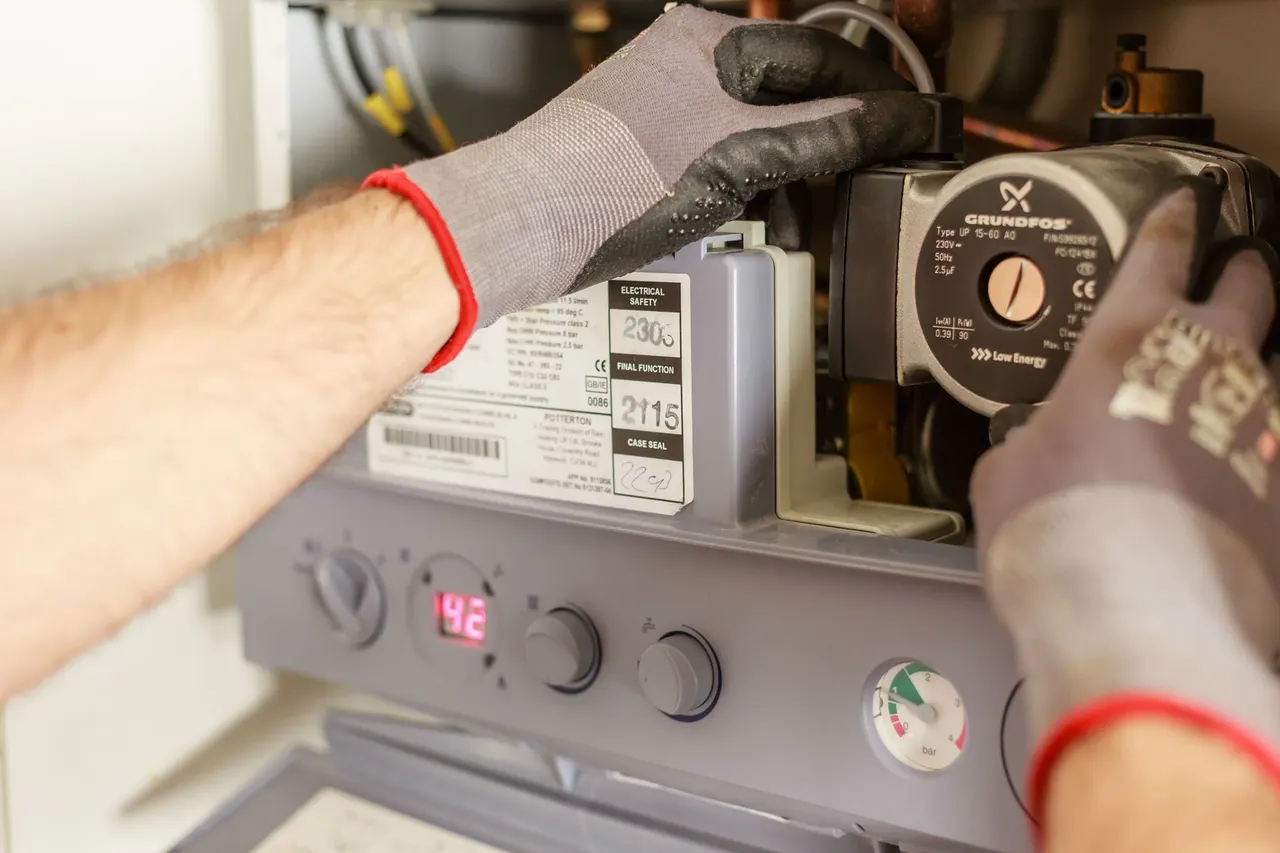
For Homes
Your furnace quit and the house is getting cold. We diagnose the problem, give you a written price, and fix it the same day when parts allow.
- Furnace will not turn on
- Blowing cold air
- Short cycling or loud noise
When your furnace quits on a 38-degree desert night, you need Furnace Repair Las Vegas NV that answers the phone and shows up. We diagnose gas furnaces, heat pumps, and dual-fuel systems across Clark County, explain the problem in plain language, and fix it right the first time. Whether it is a bad capacitor, a clogged filter, or a cracked igniter, we carry the parts to get your heat back the same day.
 Igniter and flame sensor testsGas pressure checkHeat exchanger inspection
Every furnace repair call includes a full diagnostic, a written price before work begins, and a post-repair test to confirm the system is running safely. We do not charge extra for the diagnostic if you approve the repair. Here is what is covered and what may add to the scope.
We test the igniter, flame sensor, pressure switch, inducer motor, control board, blower motor, and gas valve. We also inspect the heat exchanger, burners, and flue for cracks, soot, or blockages. This takes 30 to 45 minutes and tells us exactly what failed.
Before we touch anything, you get a written price for parts and labor. If there are multiple options, we lay them out. No surprise charges, no pressure to approve work you do not want. You decide, we proceed.
We replace failed components with OEM or equivalent parts. Capacitors, igniters, flame sensors, blower motors, control boards, and gas valves are common. We carry most of these on the truck, so the repair happens the same day in most cases.
After the repair, we test for carbon monoxide, verify proper venting, check gas pressure at the manifold, and confirm the furnace cycles through a full heating sequence. We do not leave until the system is running safely and correctly.
A clogged filter is one of the most common causes of furnace problems. We check your filter, measure static pressure, and confirm airflow is within spec. If the filter needs replacing, we will swap it or tell you what size to buy.
We test your thermostat to make sure it is calling for heat correctly and that the settings match your system. If you have a Nest or Ecobee, we check the wiring and confirm the schedule is not causing short cycling or cold-air complaints.
The approach is the same for a home and a business. What changes is the access, the schedule and who needs the paperwork.
Your furnace quit and the house is getting cold. We diagnose the problem, give you a written price, and fix it the same day when parts allow.
Your office or retail space lost heat and you need it back fast. We diagnose commercial furnaces and rooftop units with minimal disruption to your operation.
A plain-language look at what Furnace Repair involves and when it is needed.
See how it worksFurnace Repair Las Vegas NV is the diagnostic and mechanical work that restores heat to a home when a gas furnace, heat pump, or dual-fuel system stops producing warm air. A proper repair starts with a full inspection: we test the igniter and flame sensor, check the inducer motor and pressure switch, measure gas pressure at the manifold, verify the control board is sending voltage, and inspect the heat exchanger for cracks. From there we replace failed components like capacitors, contactors, or blower motors, clean the burners, and confirm the system cycles safely through a full heating sequence before we leave.
Las Vegas winters are short but sharp. Overnight lows in the Las Vegas Valley regularly drop into the 30s from December through February, and homes in Summerlin, Spring Valley, and Enterprise sit at 2,500 to 3,000 feet where it runs even colder. That is hard on furnaces that sat idle for nine months. We see gas furnace not igniting repair Las Vegas calls most often in the first cold snap of the season, when dust, spider webs, and dried-out igniters cause failures. If you need furnace repair Las Vegas NV near me on a cold morning, we prioritize no-heat calls.
Most Las Vegas furnace failures come down to a failed igniter, a dirty flame sensor, or a weak capacitor.
Every furnace call follows the same disciplined sequence. You know what is happening, what it costs, and when we will be done. No mystery, no runaround.
You call or book online and describe the symptoms: no heat, short cycling, cold air, strange smell, or a furnace that will not turn on. We ask the right questions up front, confirm your address in the Las Vegas Valley, and give you a two-hour arrival window. Same-day slots are held for no-heat calls.
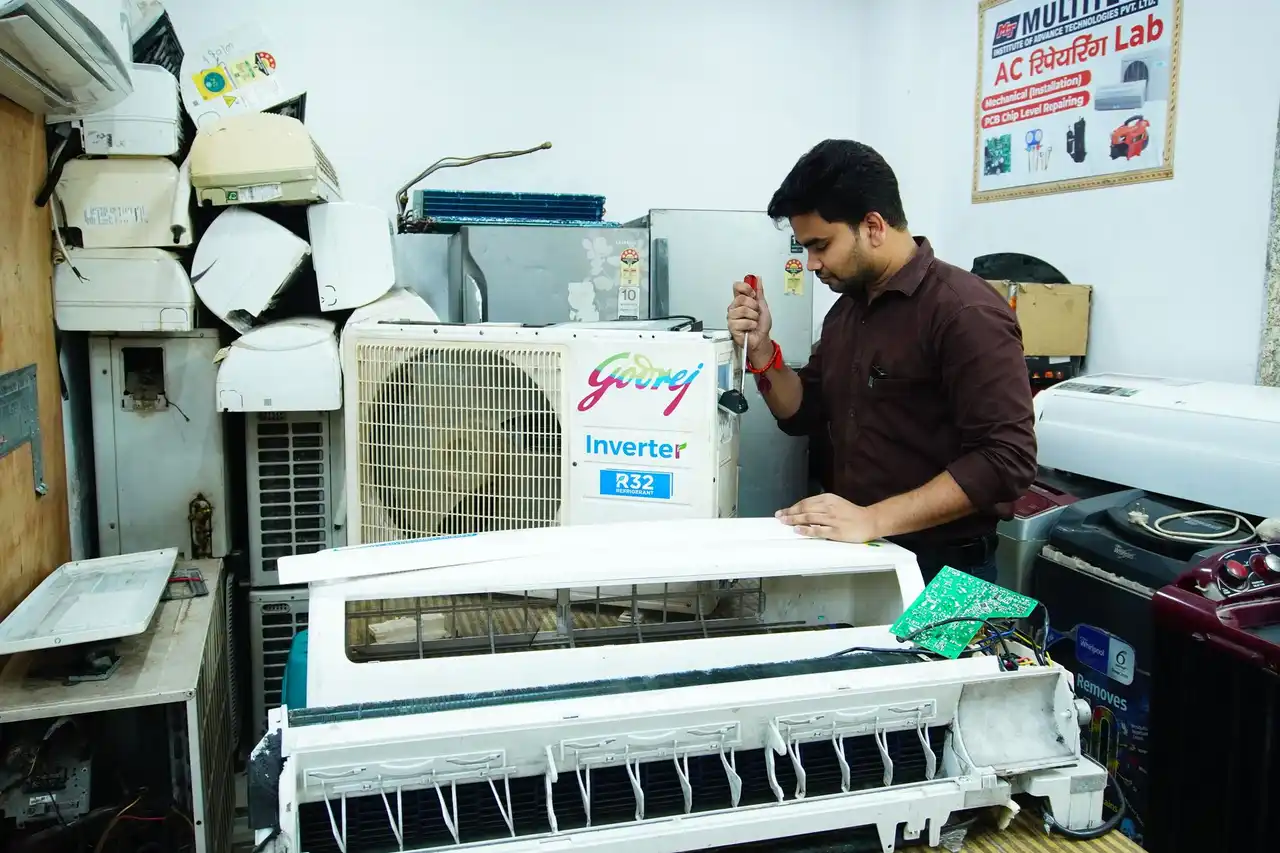
Our technician arrives, puts on shoe covers, and runs a complete diagnostic. That means a multimeter on the control board, a clamp meter on the blower motor, a manometer on gas pressure, and a visual inspection of the heat exchanger, burners, and flue. Most diagnostics take 30 to 45 minutes.
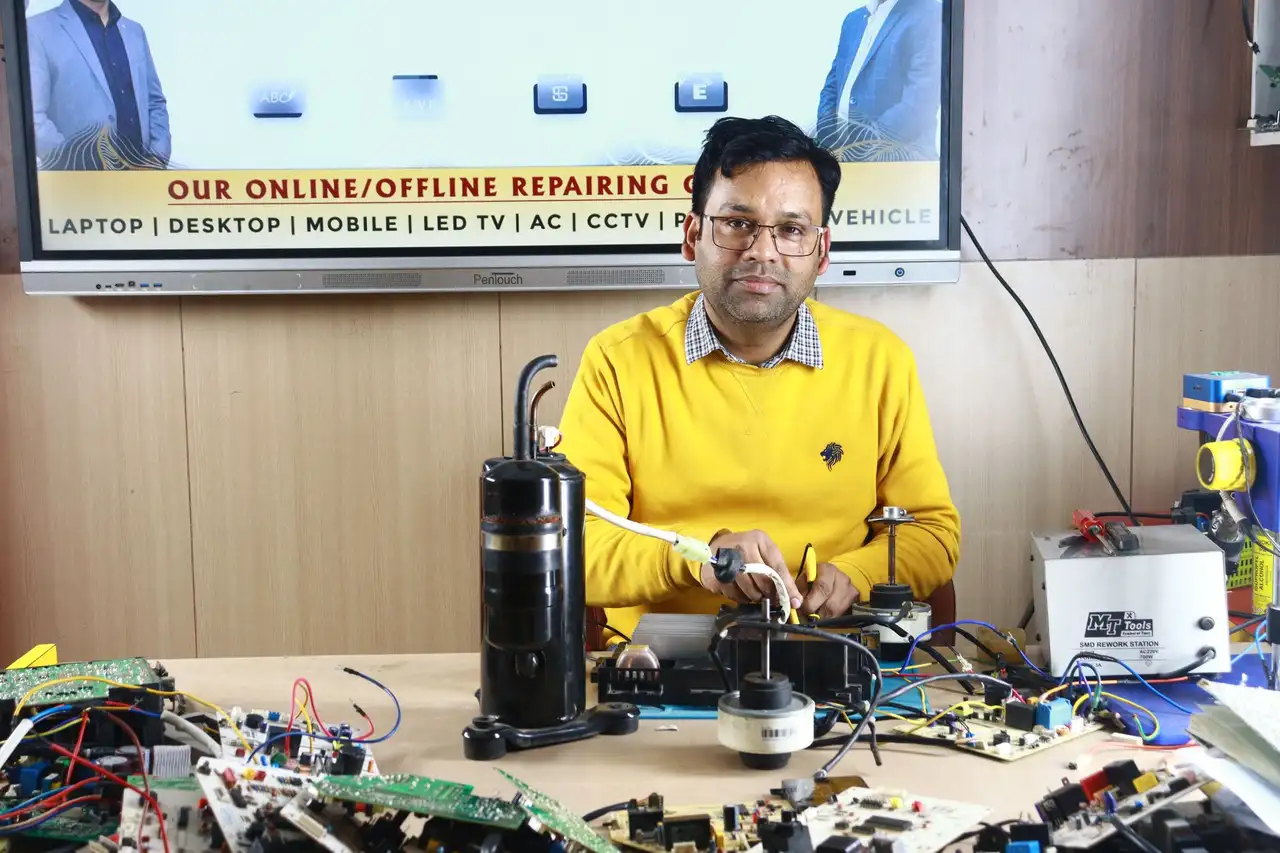
We show you what failed, why it failed, and what it takes to fix it. You get a written price before any work begins. If there are options, like repairing versus replacing an aging furnace, we lay out both with real numbers so you can decide without pressure.
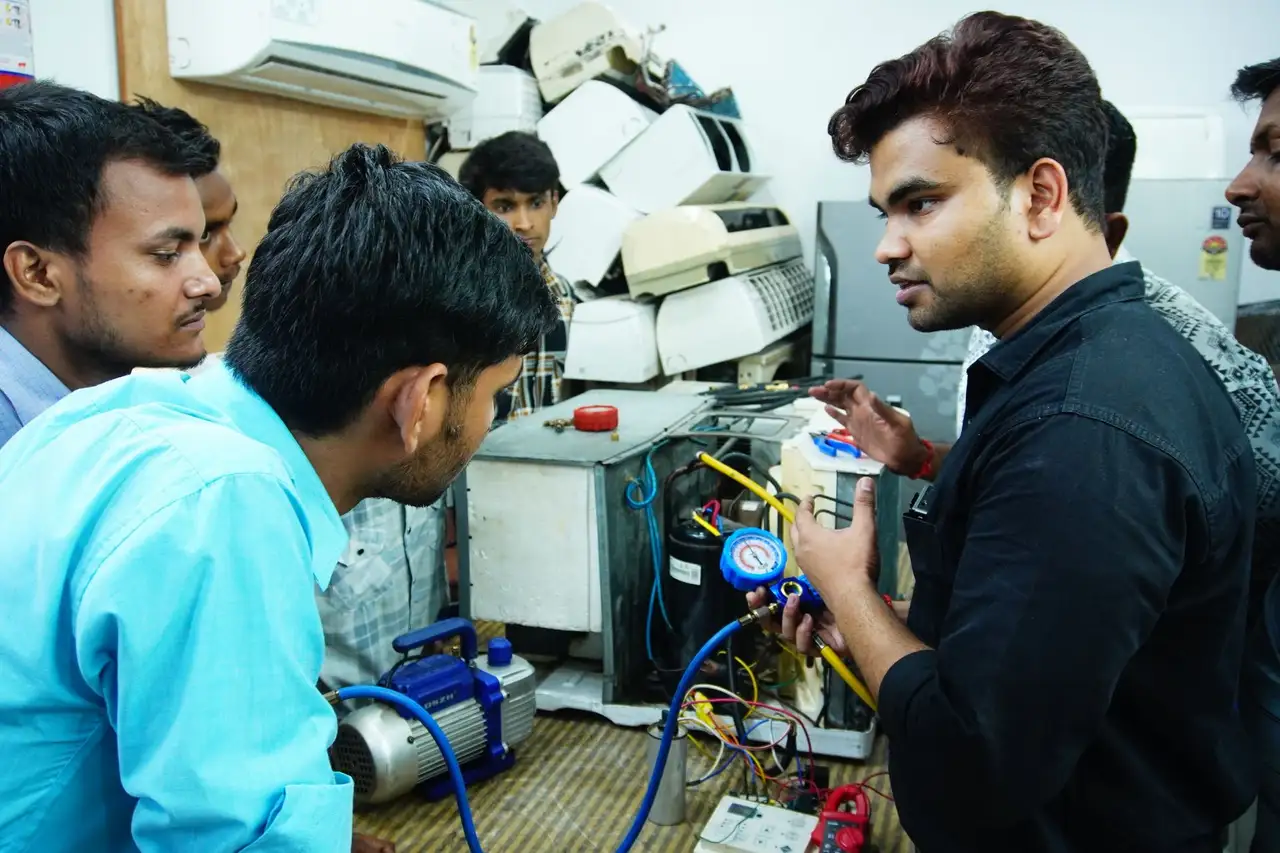
Once you approve, we make the repair. That could mean a new igniter, a capacitor swap, a blower motor replacement, or a control board. After the fix, we run the furnace through a full heating cycle, measure temperature rise at the supply and return, and confirm the system shuts off safely.
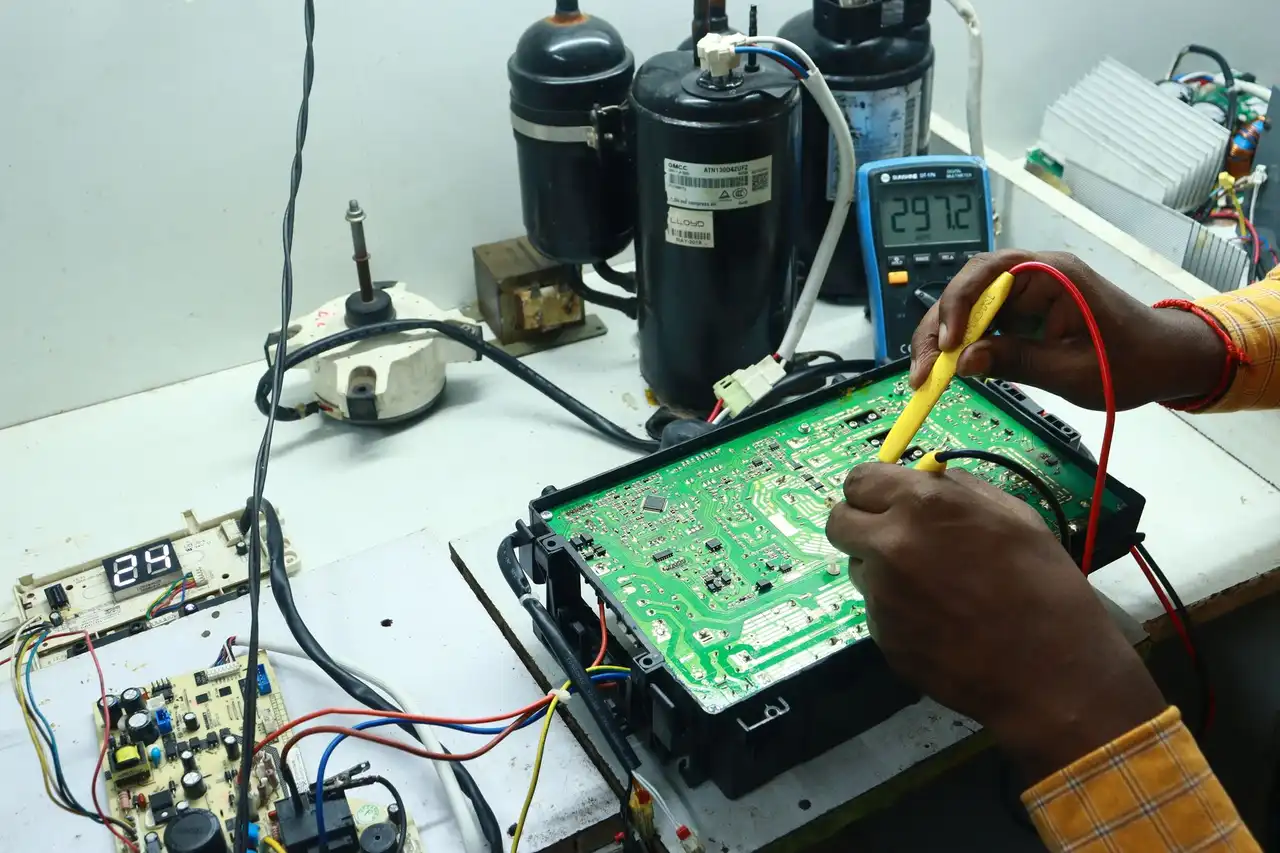
Before we leave, we walk you through what was replaced, show you the old part, and explain what to watch for. We clean up our work area, reset your thermostat, and leave you with a written summary. If a follow-up visit is needed, we schedule it before we go.
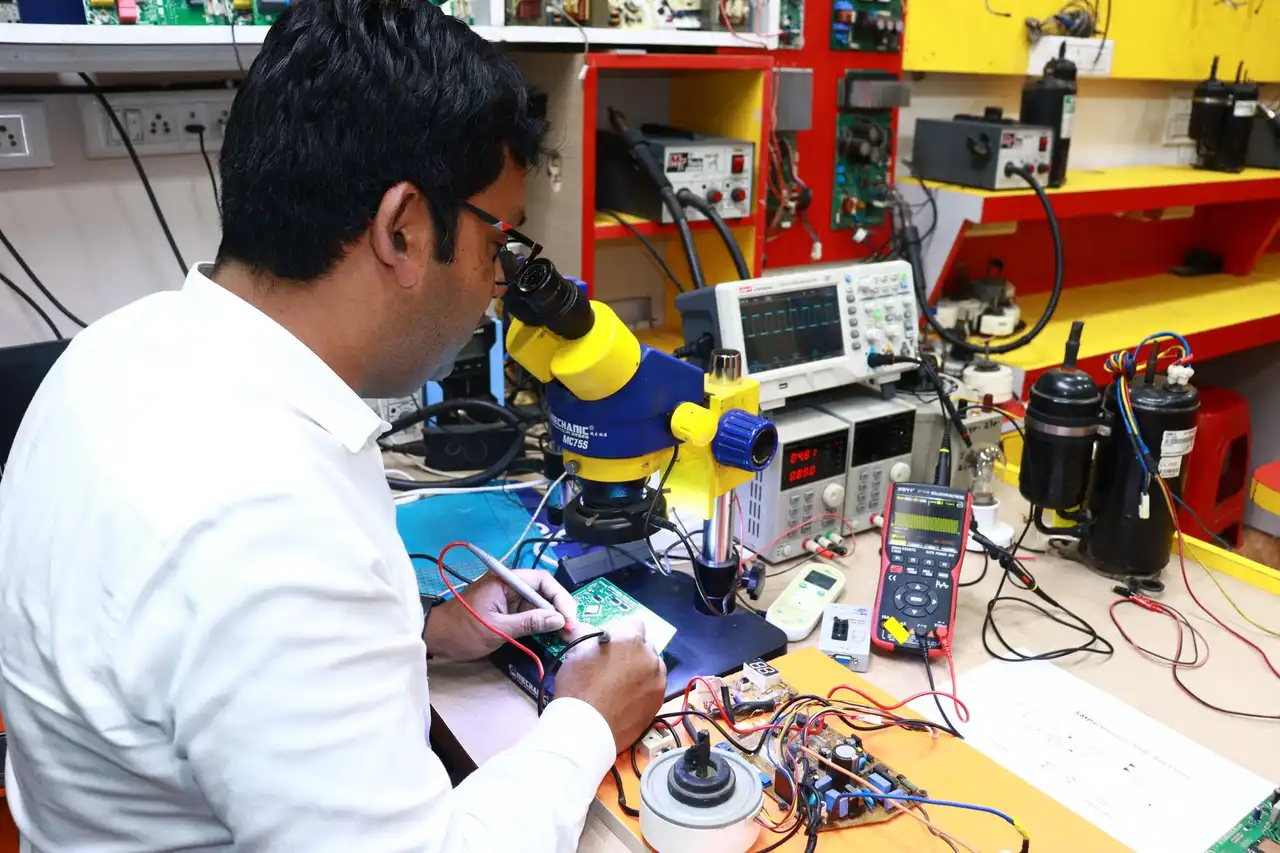
Move across a circle, or focus it and press Enter, for an illustrative thermal view of the photograph.
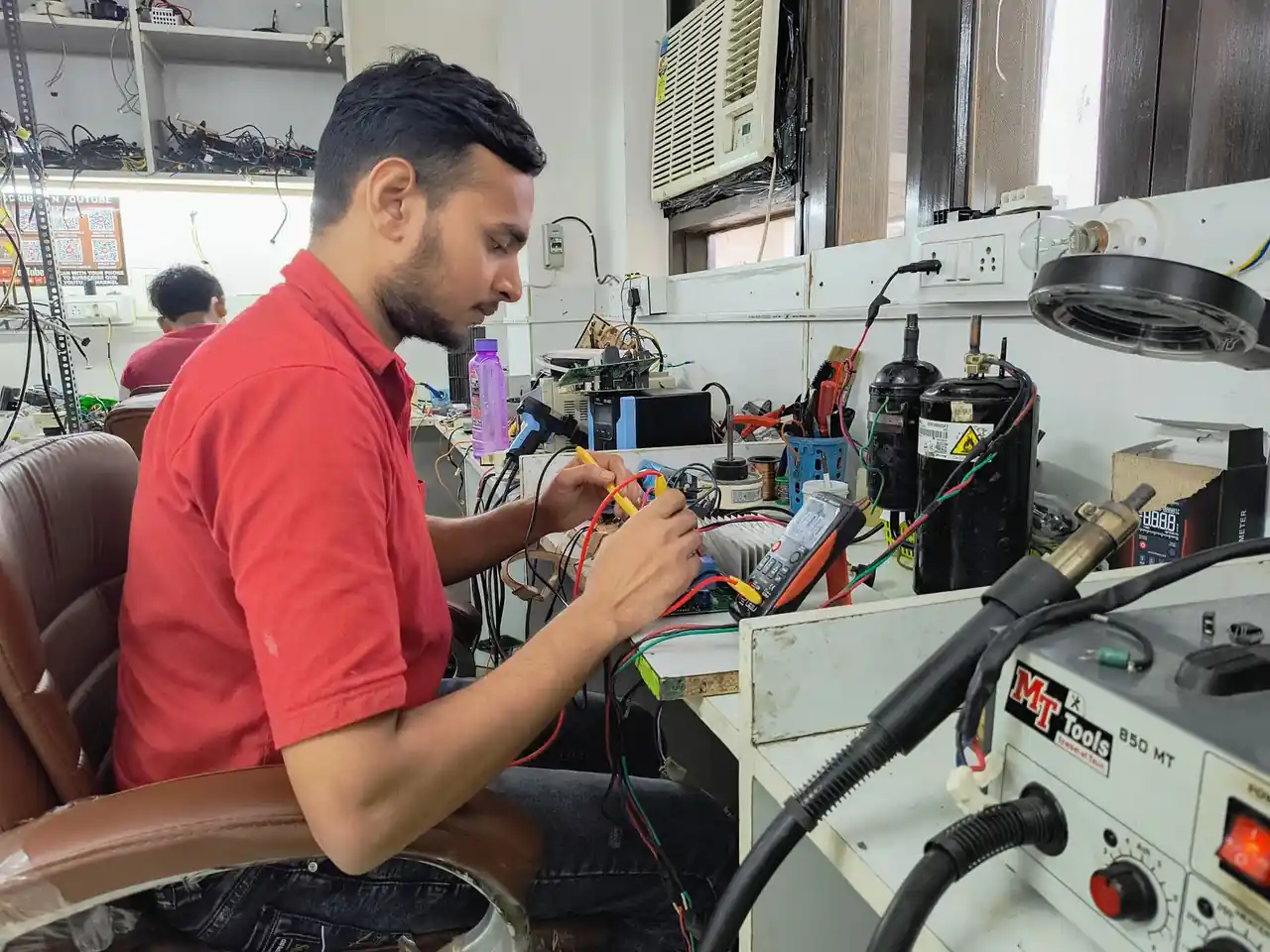
Used to test voltage at the control board, check continuity on the igniter and flame sensor, and measure amp draw on the blower motor. These readings tell us exactly which component failed.
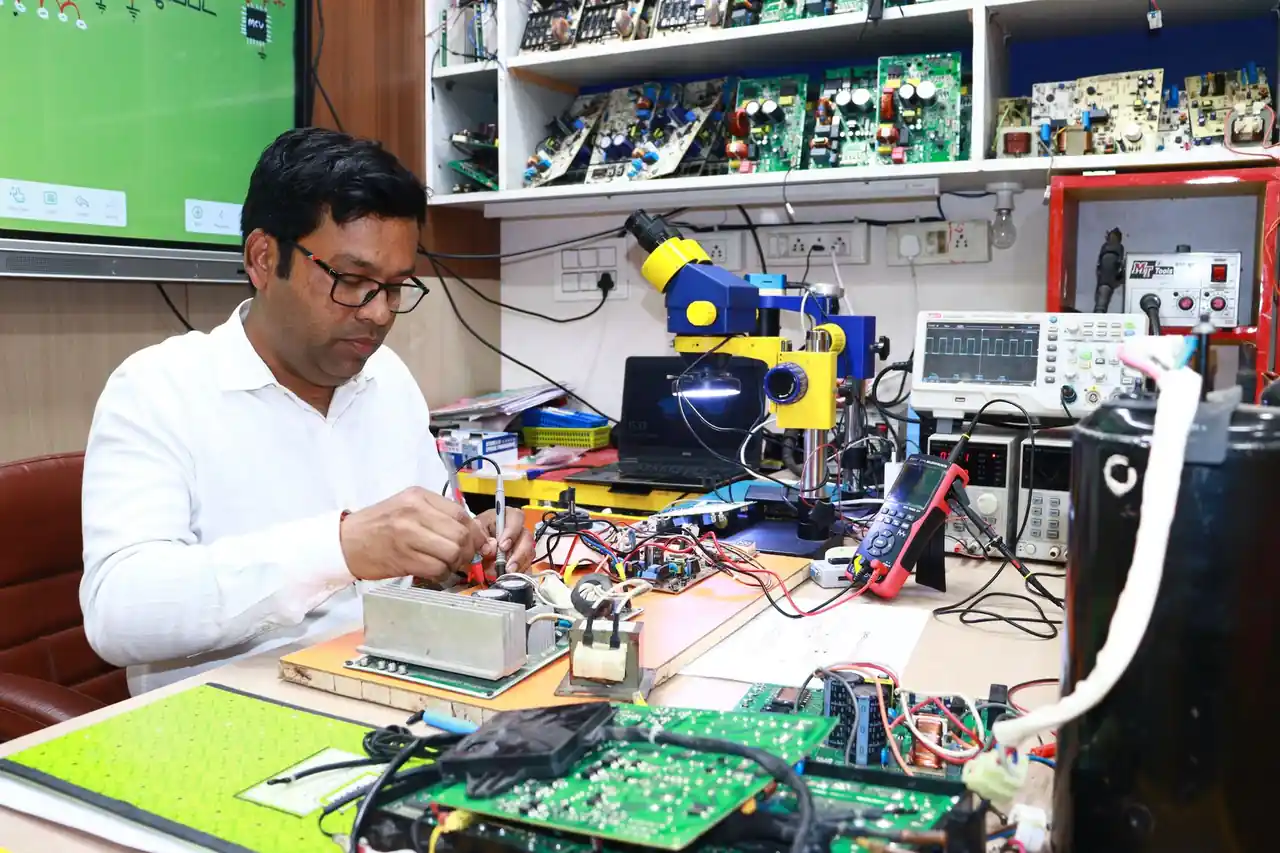
Used on heat pump and dual-fuel systems to check refrigerant pressures. On gas furnaces, we use a manometer to verify gas pressure at the manifold and confirm the valve is delivering the correct BTU.
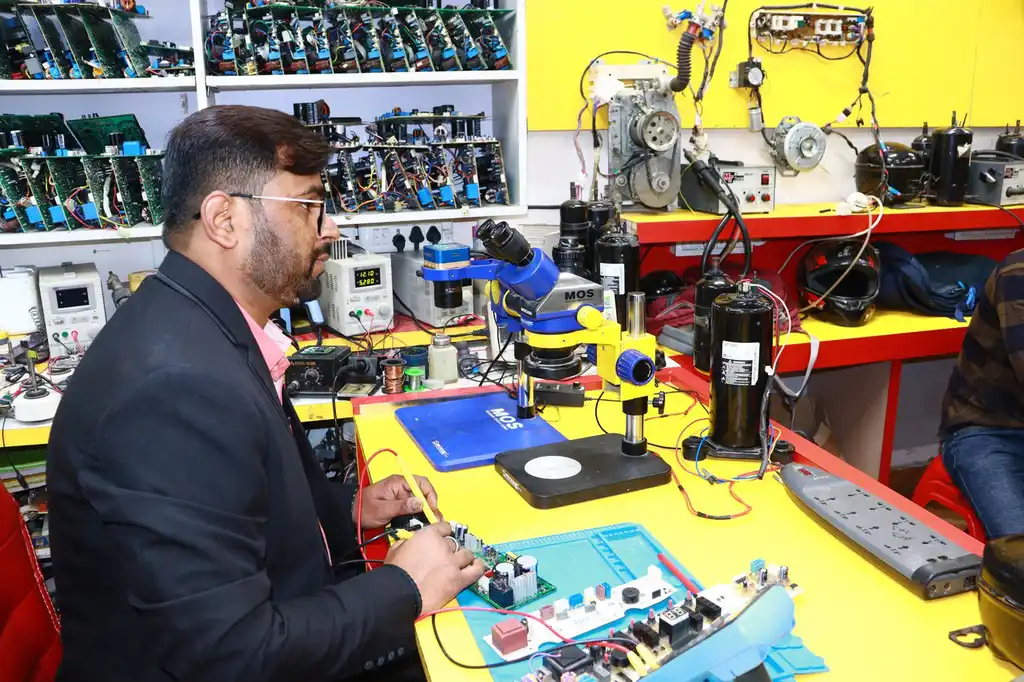
An electronic leak detector is used on every gas smell call. We check the gas valve, manifold, and all connections. If we find a leak, we isolate it and repair or replace the failed component.
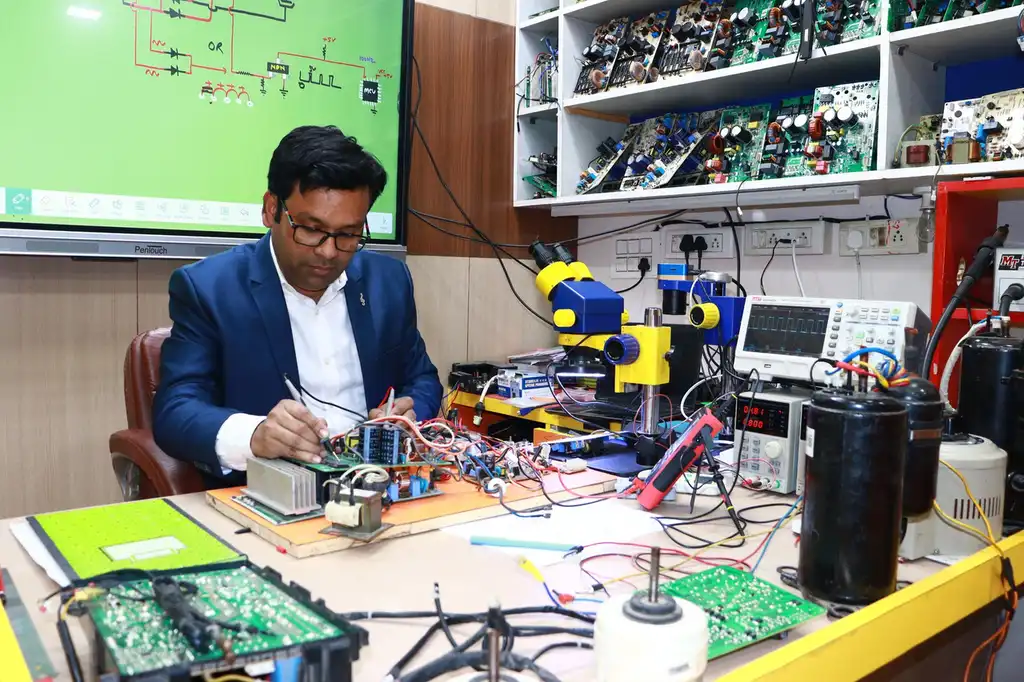
Measures carbon monoxide levels and combustion efficiency. We use it after any repair that involves the burners, gas valve, or heat exchanger to confirm the furnace is burning clean and venting properly.
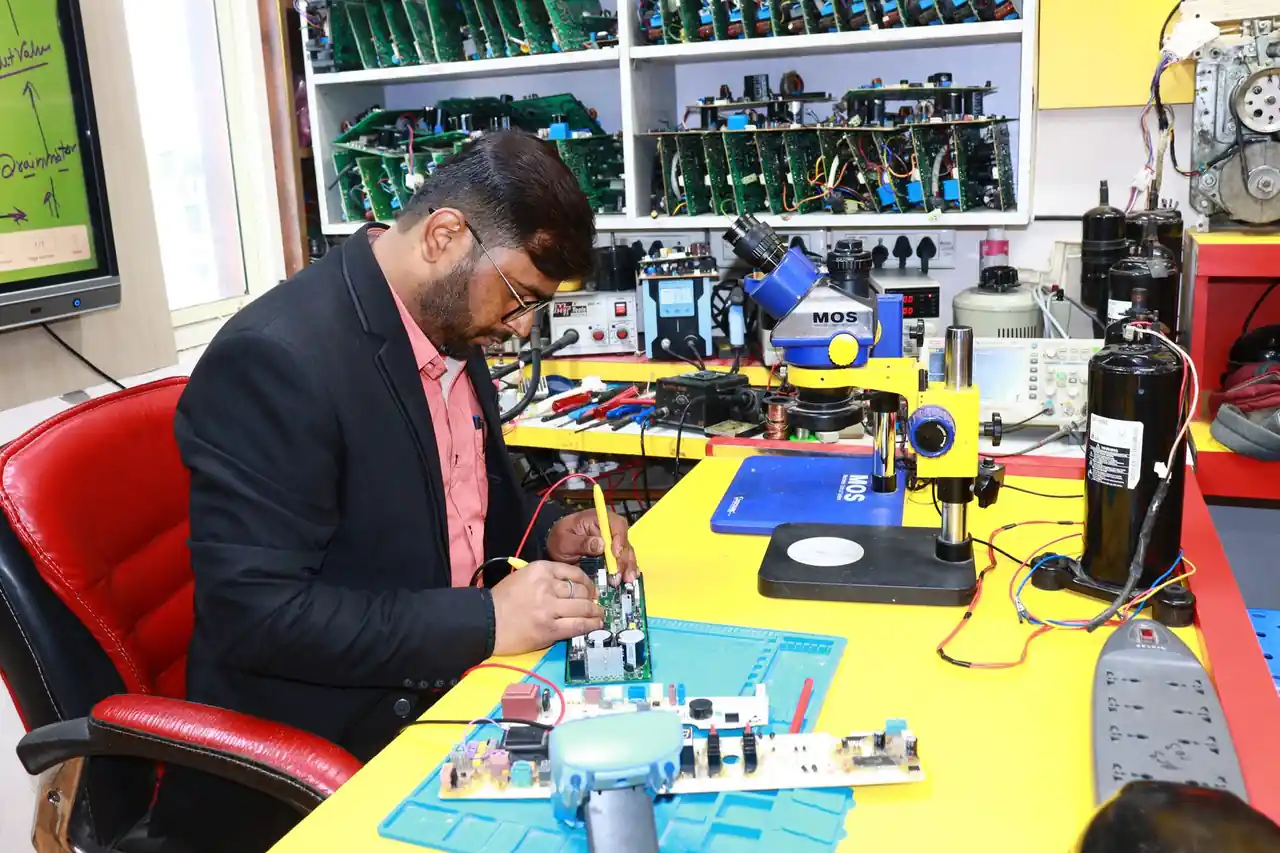
Used to straighten bent fins on the evaporator and condenser coils and clean away dust and debris. Clean coils improve airflow and efficiency, which takes strain off the blower motor.
Thermal views are illustrative, generated from the photographs.
Used on heat pump and dual-fuel systems when we need to evacuate refrigerant lines or recover refrigerant for a repair. We follow EPA Section 608 rules on every job.
When a repair turns into a replacement conversation, we run a Manual J load calculation to size the new furnace correctly. This accounts for square footage, insulation, window area, and Las Vegas climate zones. An oversized furnace short cycles and wears out faster.
We follow a systematic troubleshooting sequence on every call: power, thermostat, control board, ignition, gas, airflow, and safety.
We follow ACCA standards for system design and AHRI standards for equipment performance. That means the parts we install meet the same specs as the original equipment and the system performs the way the manufacturer intended.
Any repair involving refrigerant on a heat pump or dual-fuel system follows EPA Section 608 rules. We recover, recycle, and recharge refrigerant properly. No venting, no shortcuts, no fines for you.
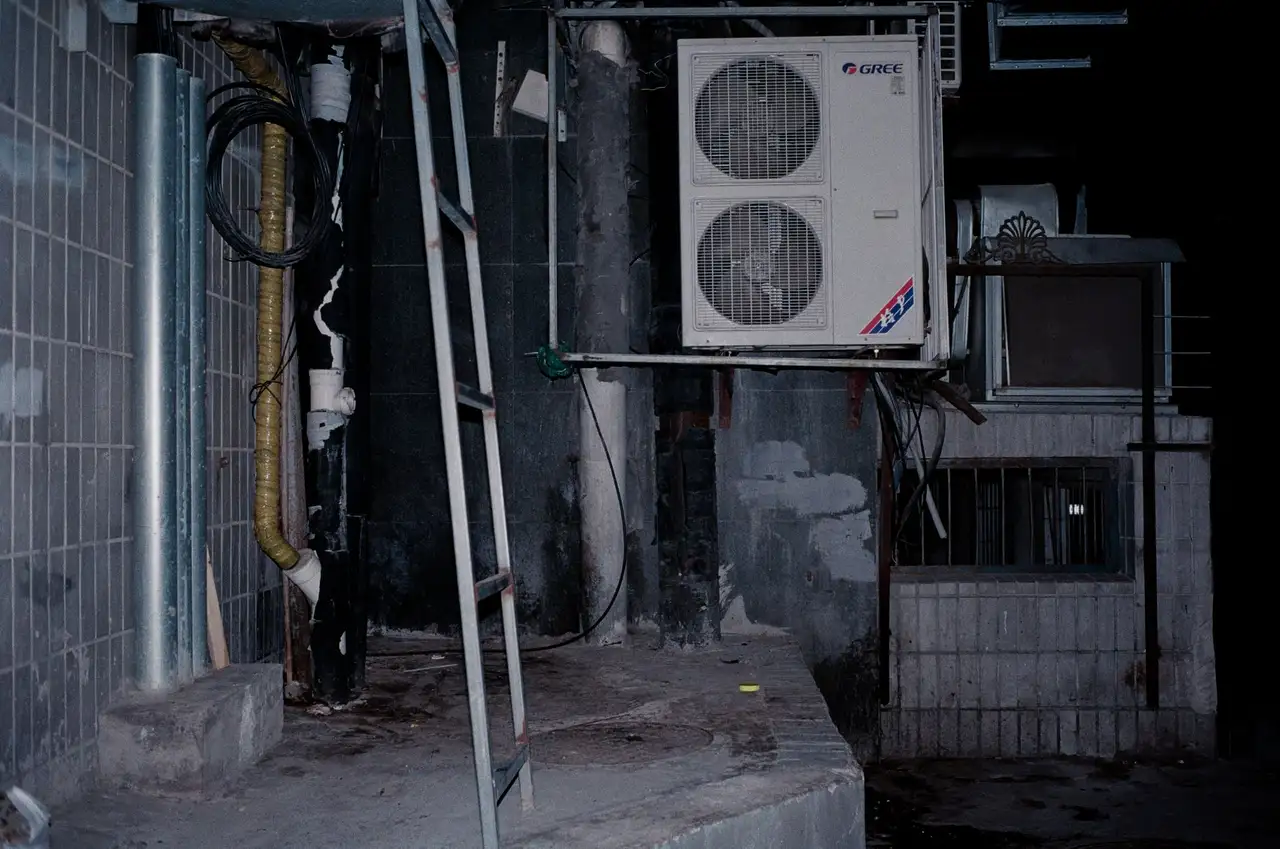
First cold snap of the season and the furnace will not turn on after sitting idle for nine months.
We run a full diagnostic, clean the burners and flame sensor, replace the igniter if it is cracked, and test the furnace through a full heating cycle. Most of these calls are resolved in one visit with parts we carry on the truck.
Outcome: Heat restored the same day. You also get a heads-up on any parts that are aging out so you are not caught off guard in January.
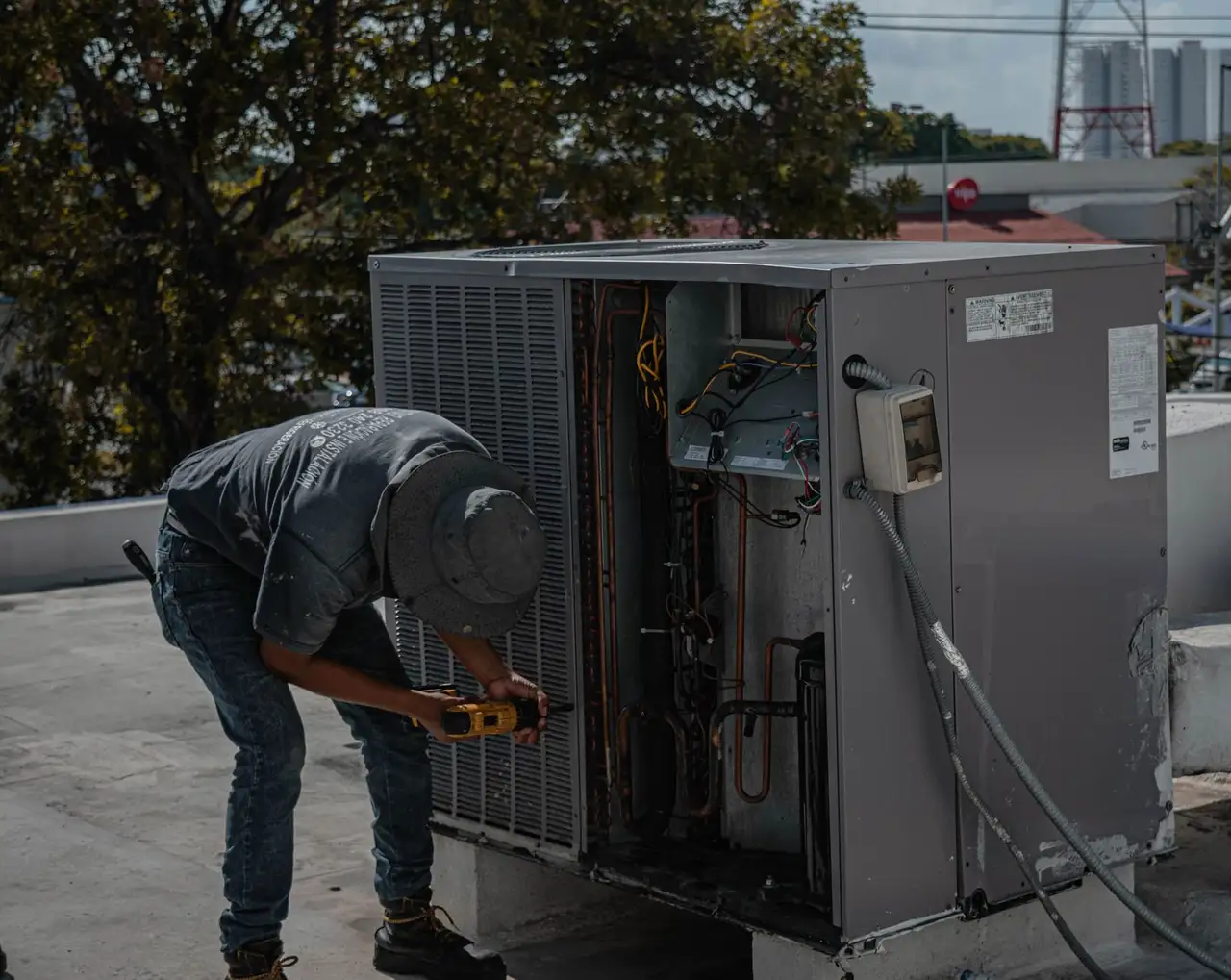
Furnace is blowing cold air and the house is dropping below 60 degrees at night.
We diagnose the capacitor, blower motor, and thermostat settings. If the capacitor is weak, we replace it. If the thermostat is set to ON instead of AUTO, we correct it and explain the difference. We also check the flame sensor and igniter while we are there.
Outcome: Warm air within hours. You know exactly what failed and what to watch for next season.
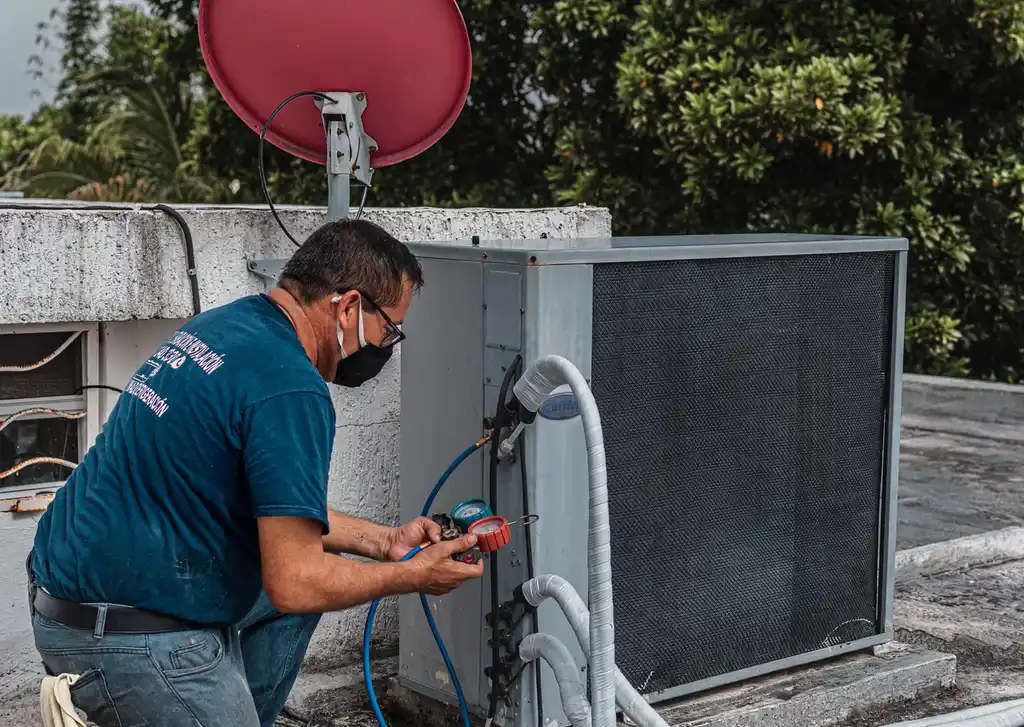
You smell gas near the furnace and shut it off as a precaution.
We treat gas smells as emergencies. A technician arrives, uses a leak detector on every connection, inspects the gas valve and manifold, and confirms whether the issue is the furnace or the supply line. We do not restore operation until we confirm it is safe.
Outcome: Peace of mind and a clear answer. If the gas valve is failing, we replace it. If the issue is upstream, we tell you and coordinate with your gas provider.
Your furnace is 18 years old, failed twice this season, and you are deciding whether to repair or replace.
We inspect the heat exchanger, blower motor, control board, and burners. If the heat exchanger is cracked or the repair cost is more than half the price of a new furnace, we walk you through replacement options with real numbers, including efficiency ratings and available rebates.
Outcome: A clear decision with no pressure. You either get a reliable repair or a new furnace sized correctly with a Manual J load calculation.
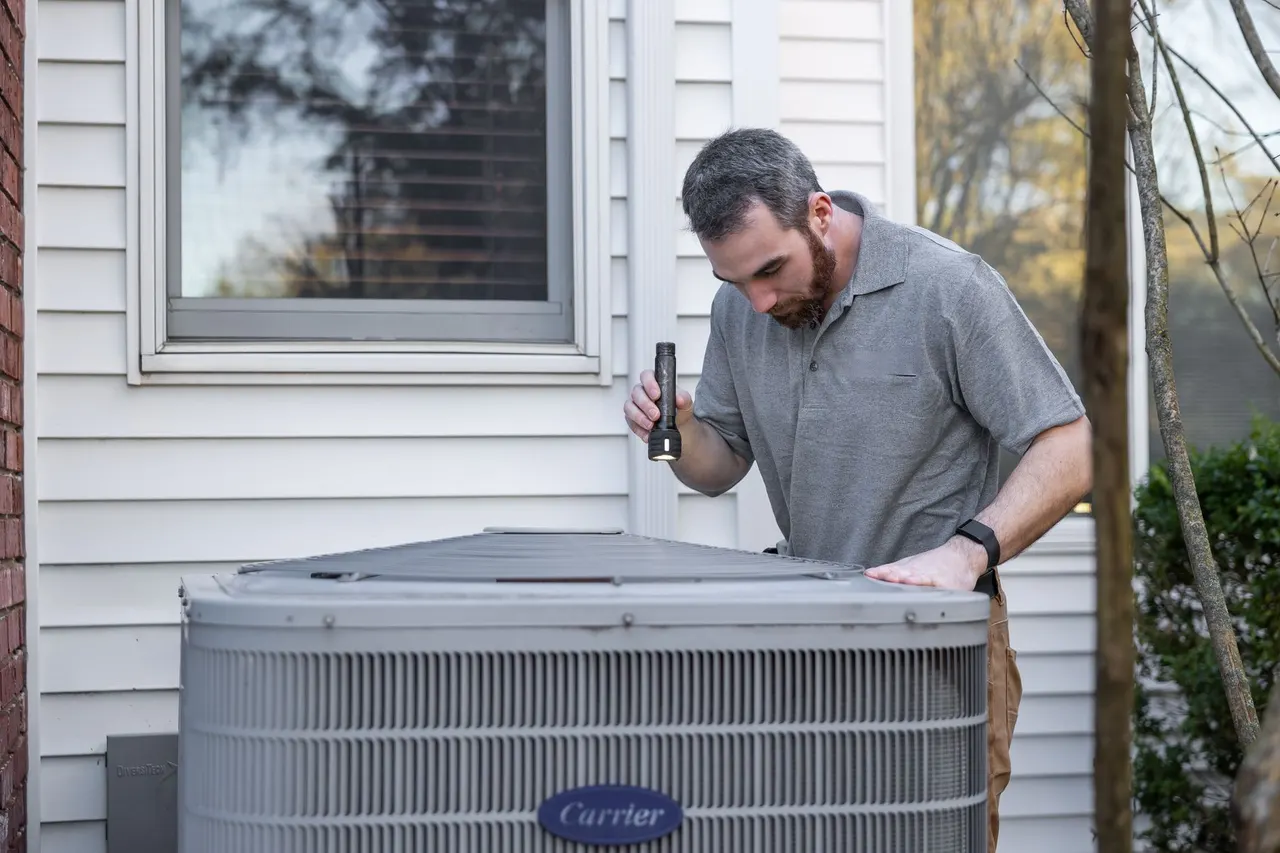
You are a property manager with a tenant calling about no heat in a rental unit.
We prioritize tenant no-heat calls. A technician diagnoses the furnace, gives you a written quote, and completes the repair in one visit if parts allow. We document everything and send you a summary for your records.
Outcome: Tenant has heat, you have documentation, and the repair is done without multiple trips or surprise invoices.
Las Vegas furnace repair is different from furnace repair in most of the country. Our heating season is short, which means furnaces sit idle for eight or nine months and then get called into duty on the first cold night. That idle time is hard on igniters, flame sensors, and blower motors. Dust builds up in the burner compartment, spider webs clog the pressure switch port, and capacitors dry out.
When the first cold snap hits, we get a wave of no-heat calls across the Las Vegas Valley. Homes in Summerlin and Enterprise sit at higher elevations where overnight lows drop into the 30s, and older homes in Sunrise Manor and Downtown Las Vegas often have furnaces that are 15 to 20 years old. We also see heat pump defrost issues in homes that use a heat pump for both heating and cooling.
If you need gas furnace repair Las Vegas NV, we know the equipment, the neighborhoods, and the failure patterns that come with desert winters.
Before: A homeowner in Spring Valley called at 7 p.m. on a 34-degree night. The furnace was running but blowing cold air. The house had dropped to 58 degrees. Their previous HVAC company could not come out until the next afternoon.
After: We arrived by 9 p.m., diagnosed a failed igniter in 20 minutes, and replaced it with a part from the truck. By 10:15 p.m., the furnace was running a full heating cycle and the house was back to 68 degrees.
We recommended an annual fall tune-up to clean the burner compartment and check the igniter before the heating season starts.
Before: A homeowner in Henderson reported their furnace was turning on and off every few minutes and the house never got warm. The furnace was a 7-year-old Carrier.
After: We tested the capacitor and found it was reading 60% of its rated microfarads. We replaced it, cleaned the blower motor, and verified the furnace ran a full 15-minute heating cycle without shutting down. The short cycling stopped immediately.
We told the homeowner to check their filter monthly and replace it every 90 days. A clogged filter strains the blower motor and shortens capacitor life.
Before: A homeowner in Sunrise Manor called about a gas smell and a furnace that was 19 years old. The furnace had failed twice in the previous two seasons. A previous technician had replaced the flame sensor but not inspected the heat exchanger.
After: We inspected the heat exchanger with a combustion analyzer and found a crack. We shut the furnace down for safety and walked the homeowner through replacement options. They chose a new high-efficiency Carrier furnace, installed the next day with a Manual J load calculation.
We set them up on an annual maintenance plan that includes a heat exchanger inspection every fall. Cracks are rare but serious, and early detection prevents carbon monoxide exposure.
Most furnace failures in Las Vegas fall into a handful of categories. Here are the ones we see most often, what happens if you ignore them, and how we fix them.
Heat restored the same day with a clear price and a tested repair.
Most no-heat calls in Las Vegas get diagnosed and repaired the same day. You get heat back before bedtime.
You get a clear price before we start work. Diagnostic fee, parts, and labor are itemized so you can decide. If the repair does not make financial sense, we tell you straight and walk you through replacement options instead of pushing a fix you do not need.
Gas furnaces are not a DIY project. We check for carbon monoxide, verify proper venting, and confirm the heat exchanger is sound before we call the job done.
When your furnace dies at 2 a.m. and the house is dropping below 60 degrees, we take the call. Emergency furnace repair Las Vegas service is available for no-heat situations, gas smells, and systems blowing cold air. We diagnose fast, stabilize the system, and get you warm.
Clear records you can keep and share.
What failed and what we replaced
Itemized parts and labor pricing
Combustion and temperature readings
Size and replacement schedule
Our technicians work on gas furnaces, heat pumps, and dual-fuel systems every week in the Las Vegas Valley. We have diagnosed thousands of no-heat calls across Clark County, from 1970s ranches in Sunrise Manor to new builds in Summerlin.
EPA Section 608 compliance on every refrigerant and gas-related repair.
Manual J load calculation experience for sizing and replacement decisions.
Thousands of no-heat diagnostics completed across Clark County.
A list like this tells people straight away whether you cover their street. Not listed? Call and ask: it only takes a minute.
Based in Las Vegas and covering the places around it. Pick one for local details.
A capacitor or igniter replacement sits at the low end. A blower motor or control board pushes toward the high end. We give you a written price before we start.
The most common causes are a failed igniter, a dirty flame sensor, a bad capacitor on the blower motor, or a thermostat set to ON instead of AUTO. In Las Vegas, dust and dry air wear out igniters faster than in humid climates. If your furnace runs but blows cold, shut it off and call us. Running a furnace with a failed ignition cycle can dump unburned gas into the heat exchanger.
Yes. We take no-heat calls after hours and on weekends, especially when overnight lows drop into the 30s. Emergency furnace repair Las Vegas service covers gas smells, systems blowing cold air, and furnaces that will not fire at all. Call us, describe the symptoms, and we will get a technician out as fast as we can.
Most repairs take two to four hours from arrival to completion. A simple igniter or capacitor swap runs about 90 minutes. A blower motor or control board replacement can take three to four hours. If we need a part we do not stock, we will tell you up front and schedule the return visit before we leave.
Other services from the same team.
No heat is not something to wait on. Call us now and we will diagnose your furnace, give you a written price, and get your heat back on. Same-day and emergency service available across the Las Vegas Valley. One call, one visit, one fix.
Call us any time, day or night, for no-cool emergencies. For routine service, we book morning and afternoon windows and confirm before we head your way. You can also email us with your address and a quick description of the problem, and we will get back to you fast.