For Homes
We size your replacement to the house, not the old tonnage. You get a written quote with model numbers before install day.
- Old unit tripping the breaker
- Upstairs never cools
- Power bill climbing each July
When your old unit quits mid-July, AC Replacement Las Vegas NV is the fix that ends the repair loop. We pull the dead condenser, run a manual J load calculation, and set a new system sized for Clark County heat. Homeowners across the Las Vegas Valley get a straight answer on repair versus replace, plus a same-day written estimate.
 Manual J sizingPermit pulledSame-day quote
Every replacement quote lists the equipment, the labor and the extras in plain language. Here is what is standard on our jobs, and what we price separately when your home needs it.
AHRI-matched outdoor condenser and indoor evaporator coil, sized to your home with a manual J calculation.
New or flushed line set, new filter drier, and a cleared condensate drain line with a float switch.
A new programmable or smart thermostat, wired and configured. Nest and Ecobee are common picks. We set your schedule, verify supply and return temperatures, and check amp draw at the disconnect.
We file the mechanical permit with Clark County and meet the inspector on site.
Old condenser, coil and refrigerant removed and disposed of properly. We sweep the pad area, wipe down the closet or attic space, and leave the job site the way we found it, minus the dead equipment.
The approach is the same for a home and a business. What changes is the access, the schedule and who needs the paperwork.
We size your replacement to the house, not the old tonnage. You get a written quote with model numbers before install day.
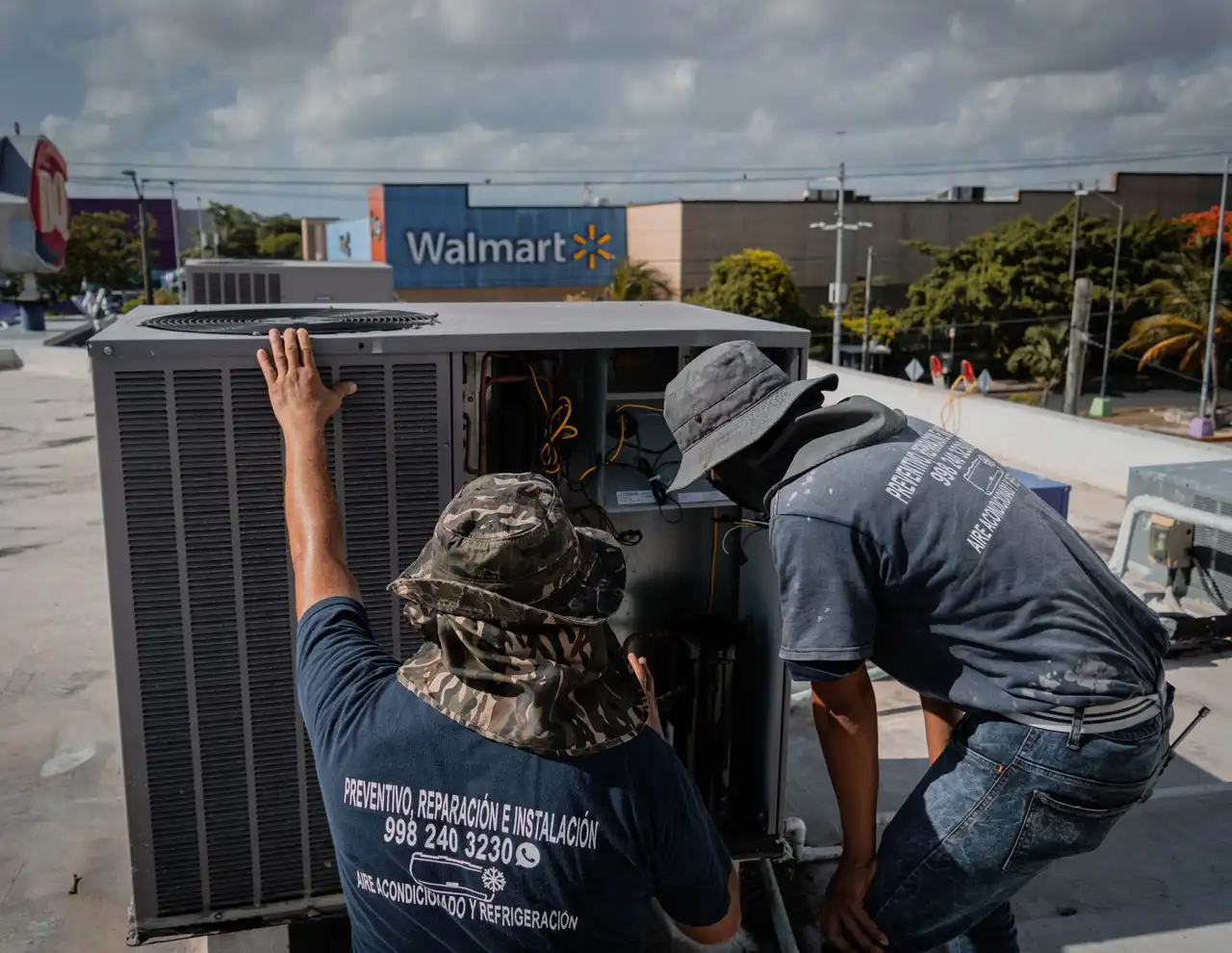
We schedule rooftop and split system replacements around your operating hours. Permits and inspections are handled so you stay open.
A plain-language look at what AC Replacement involves and when it is needed.
See how it worksAC Replacement Las Vegas NV is the full swap of your condenser, evaporator coil and often the line set, not a patch on a dying compressor. We recover the old R-410A refrigerant with a recovery machine, cut out the failed equipment, and set a new condenser pad, coil and thermostat. Every job ends with a vacuum pump pull, a refrigerant scale charge, and a clamp meter check on amp draw at the disconnect.
Most calls we run start the same way: a 12-year-old unit that ran fine last summer now trips the breaker by 2 p.m. In Las Vegas, a condenser coil that has baked through 40-plus summers at 110 degrees loses capacity long before the compressor fails.
A replacement is sized, permitted and charged by weight, not matched to the old tonnage.
Five steps from first call to cool air. Most replacements finish in one day, and you get a written scope before we touch the equipment.
We ask the age of your unit, the model number off the condenser, and what it is doing, whether that is not cooling, short-cycling or tripping the breaker. You get a two-hour arrival window and a heads-up on what the visit covers. No charge for the estimate.
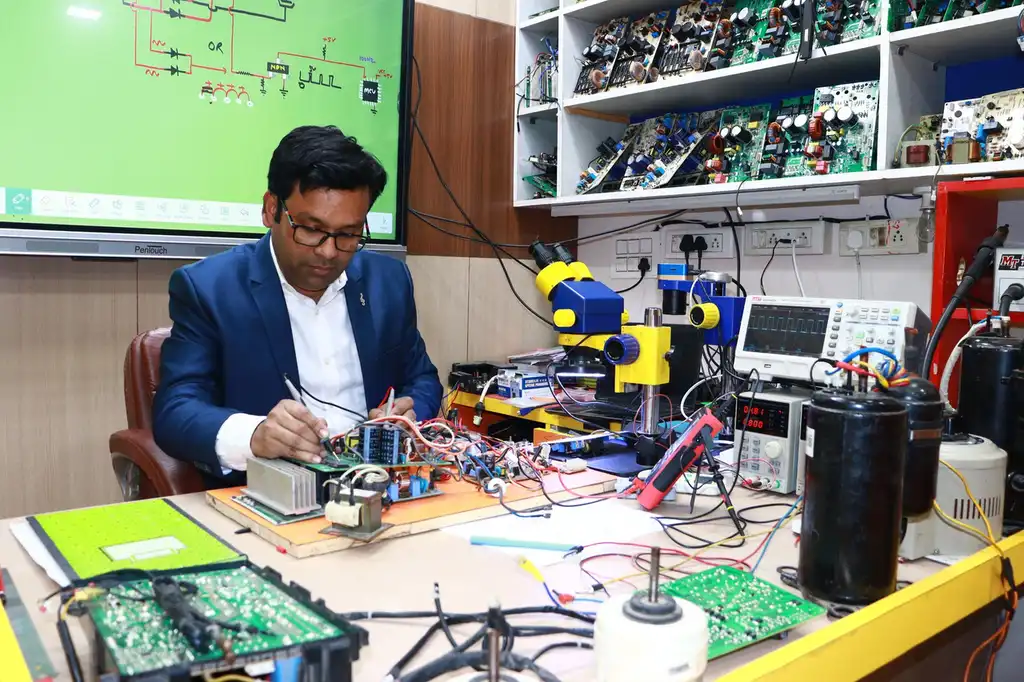
If the compressor is gone, we price replacement.
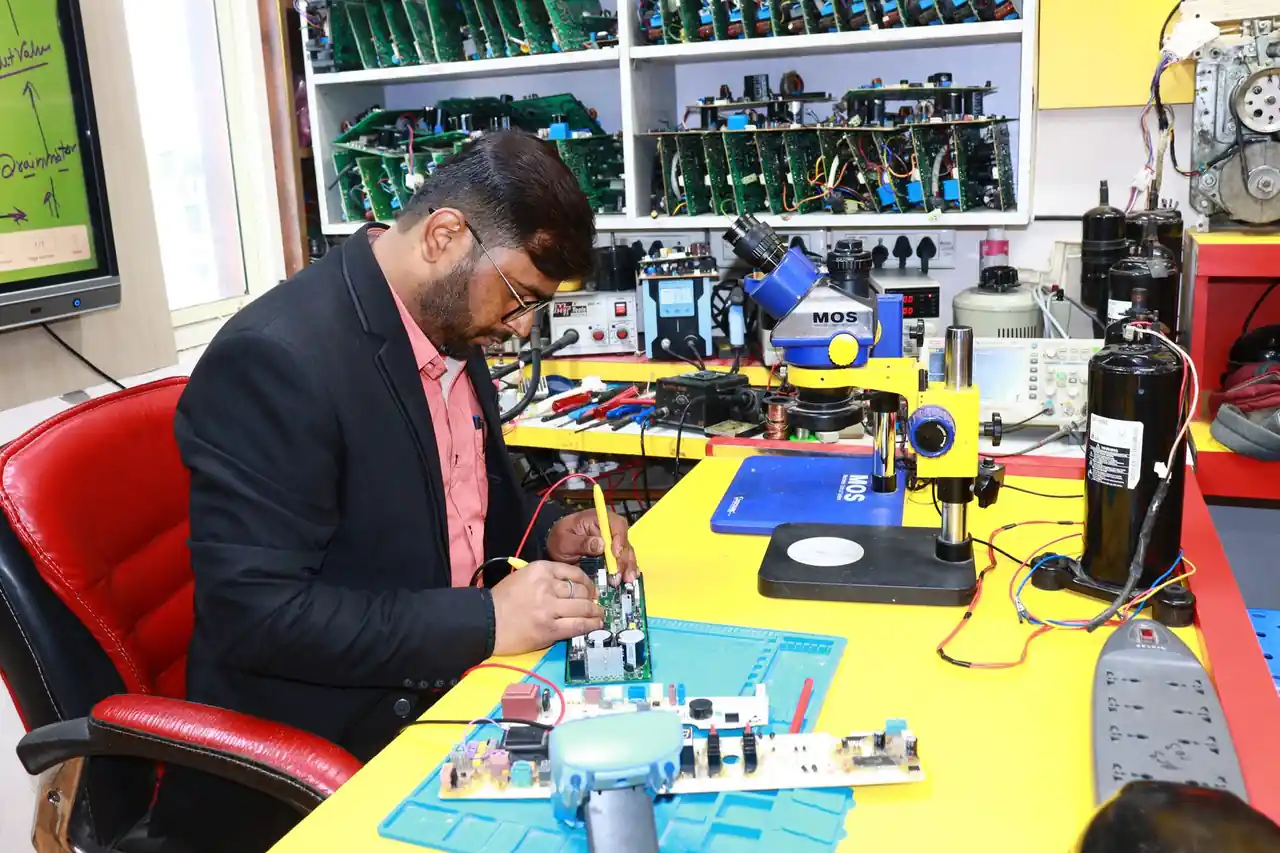
We measure square footage, window exposure and insulation, then run a manual J load calculation to pick tonnage. You get a written quote listing equipment, line set, thermostat and labor, with Carrier, Trane, Lennox, Goodman, Rheem and Daikin options at different price points.
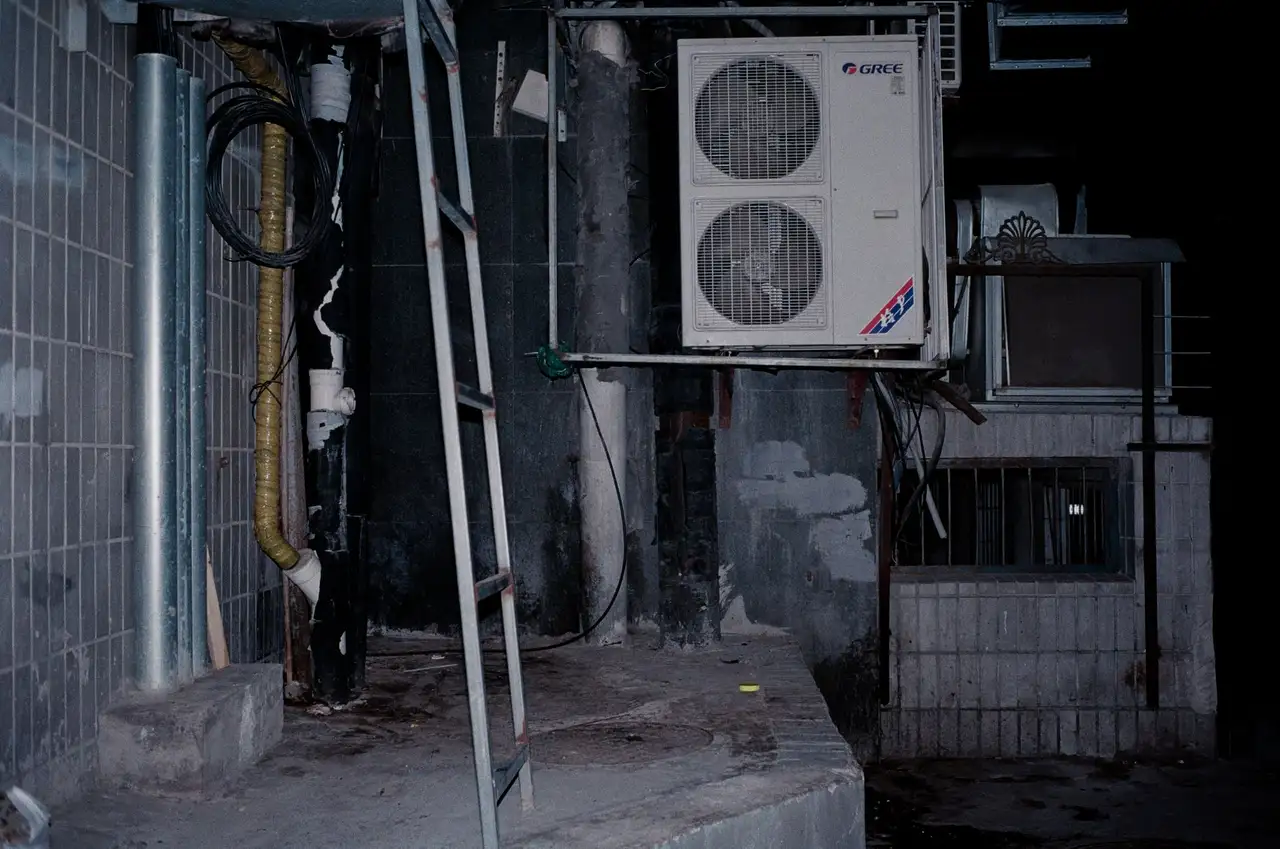
Most swaps take six to nine hours. We recover old refrigerant, set the new pad and condenser, braze the line set with a torch kit, pressure-test, then pull a deep vacuum before charging by weight on a refrigerant scale. Duct insulation and drain lines get checked while we are in the attic.
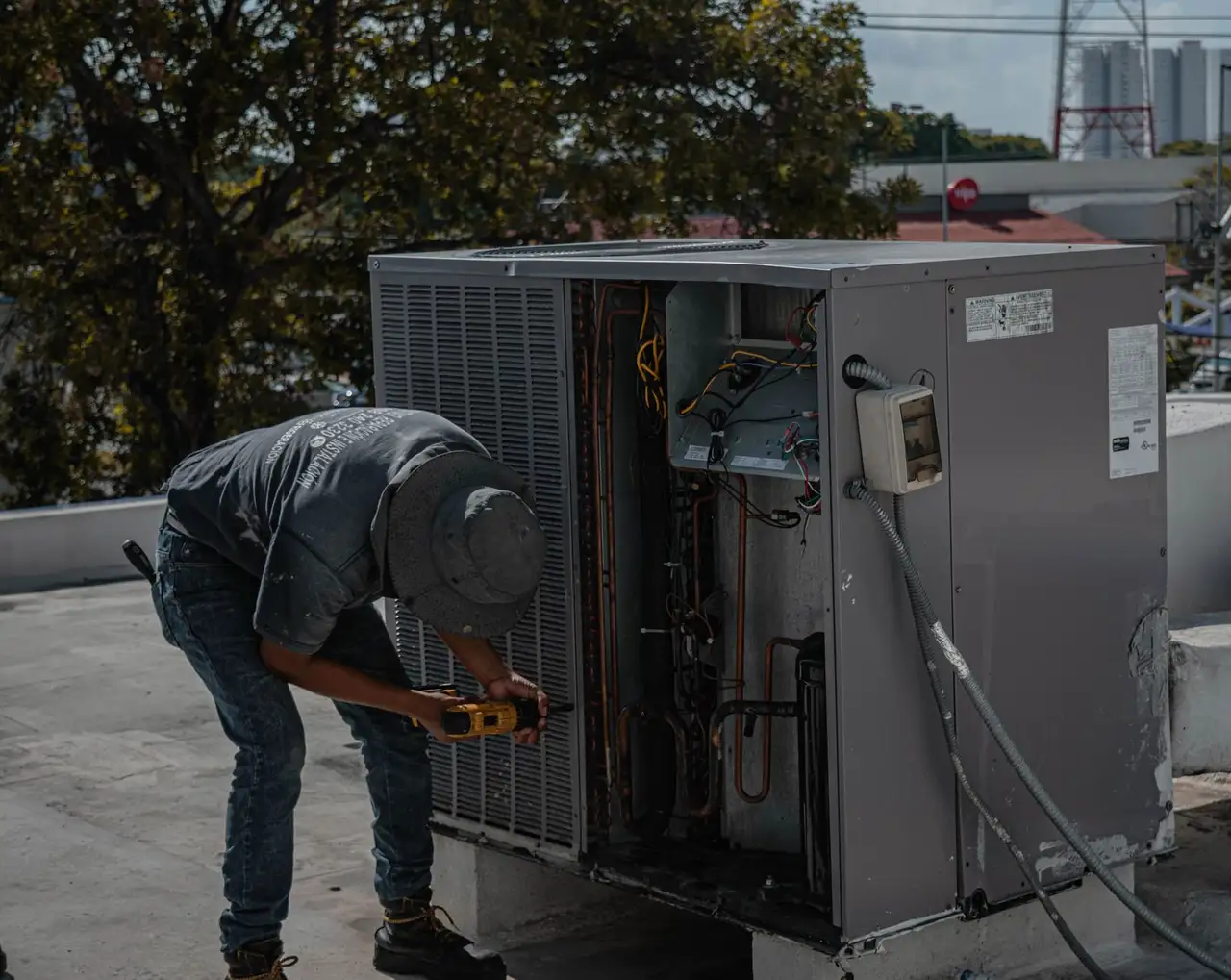
We verify supply and return temperatures, check amp draw at the disconnect, and set your thermostat schedule. Permits and final inspection are handled through Clark County.
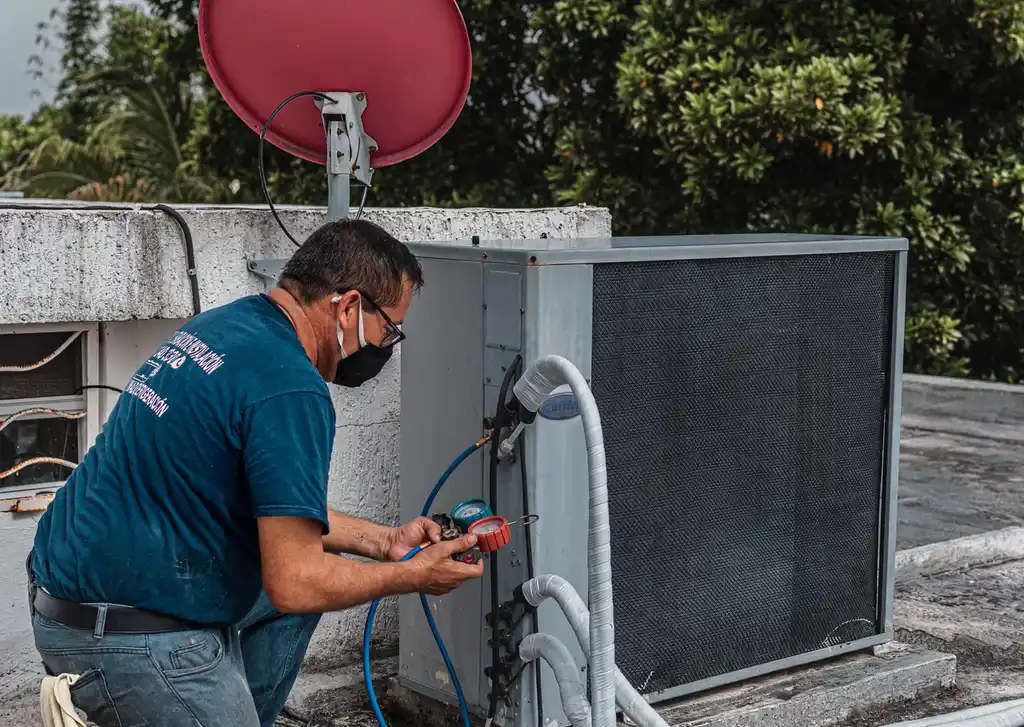
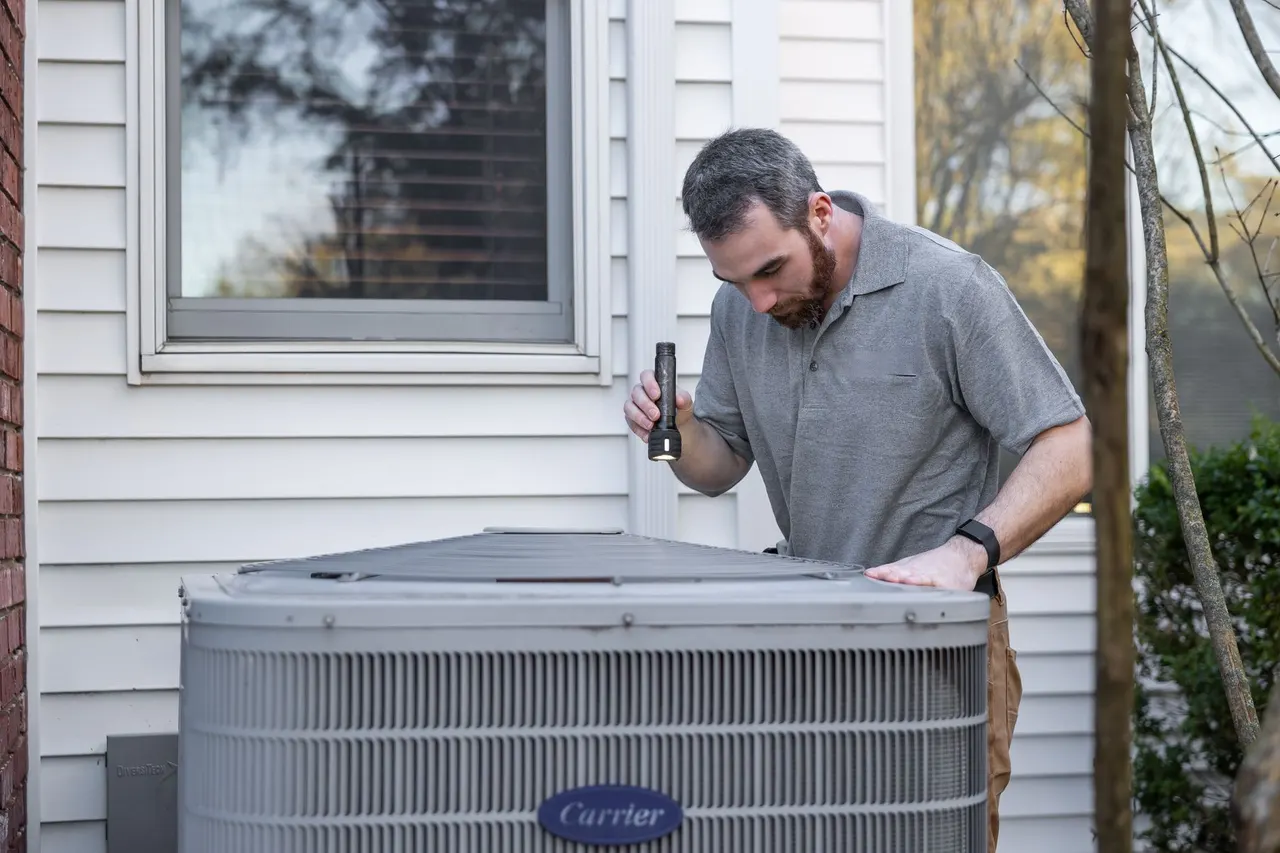
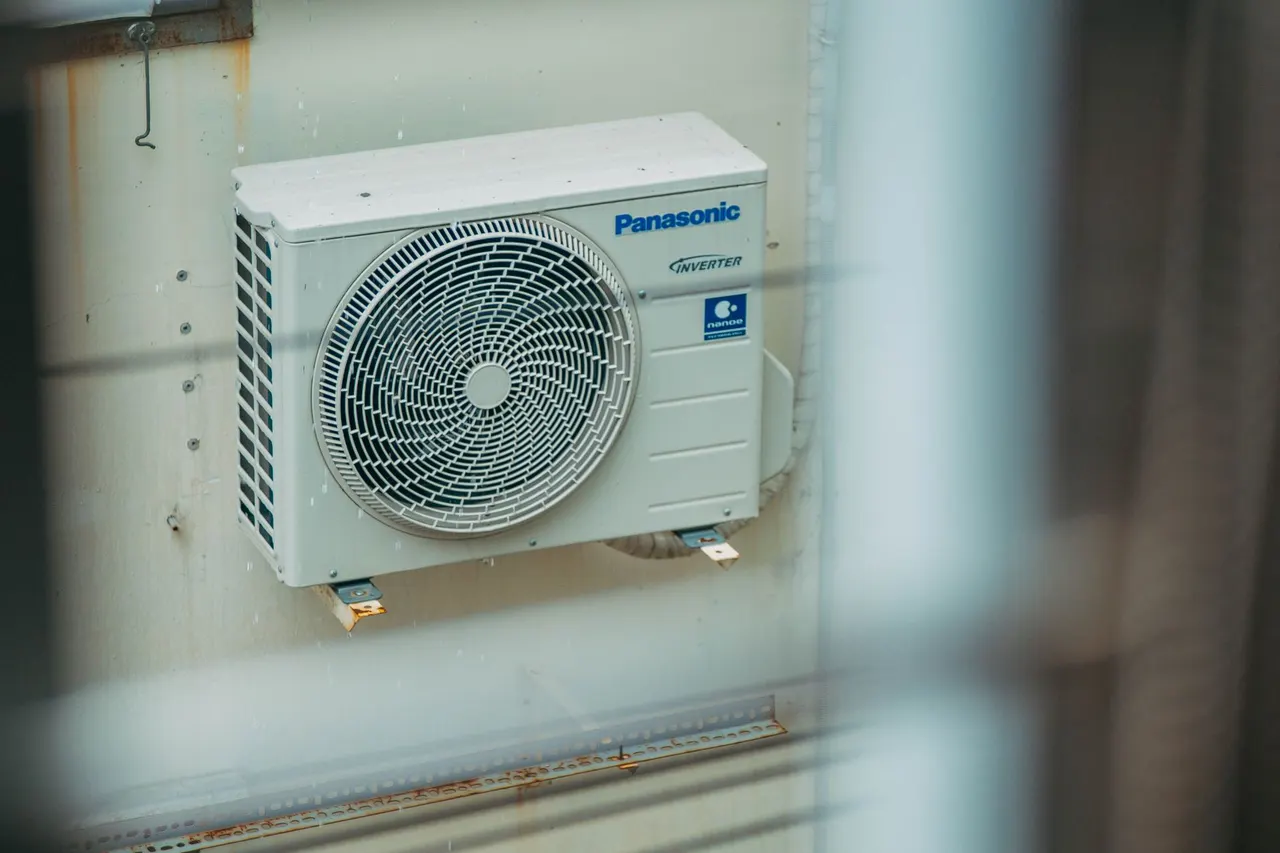
Move across a circle, or focus it and press Enter, for an illustrative thermal view of the photograph.
Reads high and low side refrigerant pressures to confirm charge and diagnose compressor or metering device problems before we quote a replacement.
Pulls a deep vacuum on the new line set before charging. Moisture left in the system destroys compressors, so we hold under 500 microns.
Recovers old R-410A per EPA rules and charges the new system by weight, not by guess, which is how you hit rated capacity.
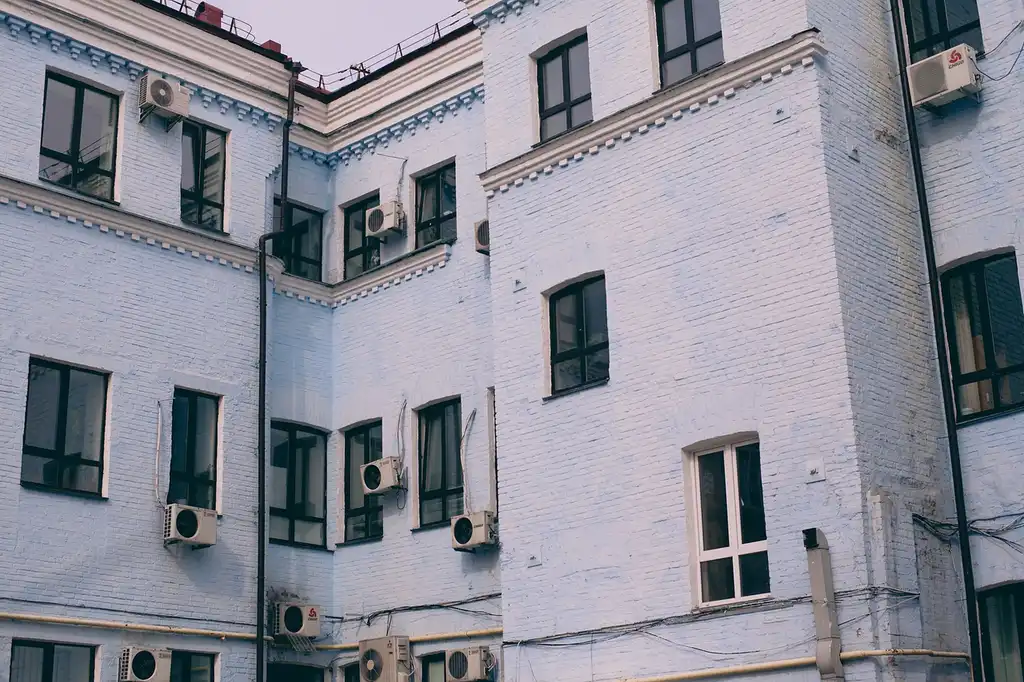
Checks amp draw at the disconnect and tests capacitors and contactors. High amp draw on a new install means a wiring or sizing problem.
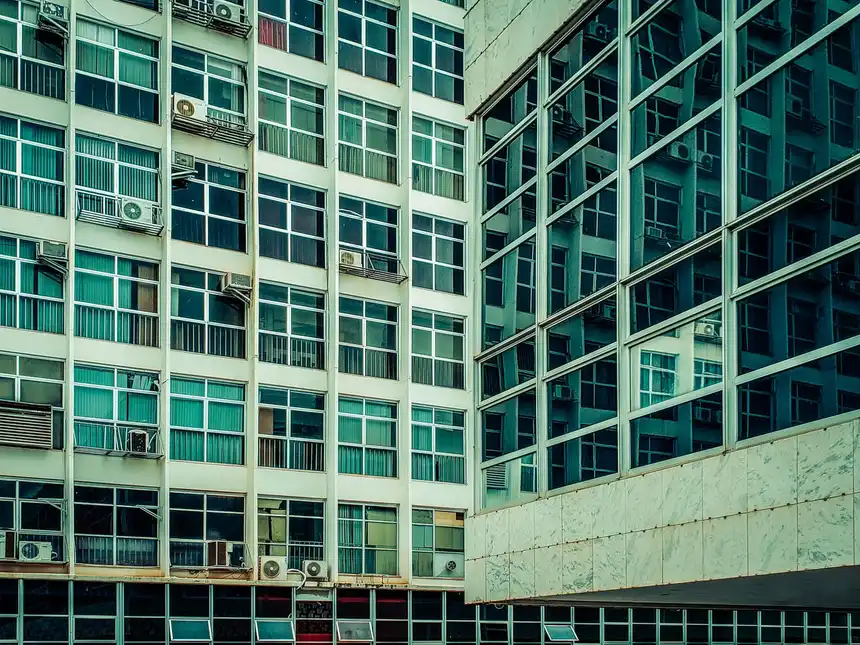
Brazes line set connections and forms flare fittings on mini-split and tight-clearance jobs where a torch is not safe.
Thermal views are illustrative, generated from the photographs.
Finds refrigerant leaks with an electronic sniffer and straightens bent condenser fins that choke airflow on older units.
Breaks down the desert dust and cottonwood that pack into coils and cut capacity on Las Vegas systems every spring.
ACCA-standard room-by-room sizing that accounts for window exposure, insulation and Las Vegas design temperatures. It is the difference between a system that holds setpoint in August and one that runs nonstop.
It is federal law and it protects the new system from contamination during the swap.
New installs meet current Nevada energy code for SEER2 ratings and duct sealing. We pull the Clark County permit and meet the inspector so the install is documented and legal.
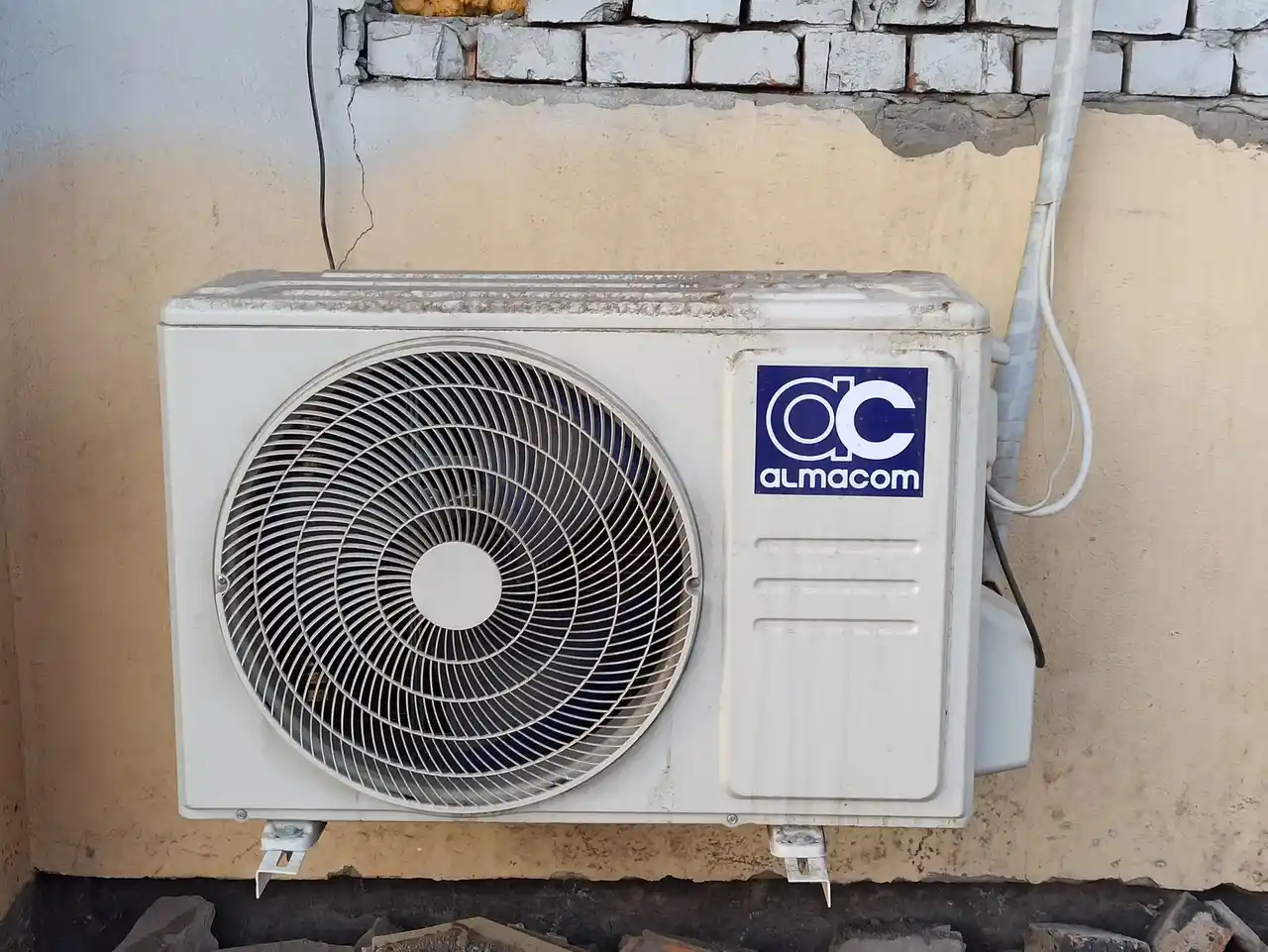
A 14-year-old unit in Sunrise Manor that needs its third repair in two summers.
We pull the repair history, check compressor amp draw and coil condition, and price a new 3-ton system against another repair. Most homeowners at this point are past the break-even line.
A Summerlin homeowner selling in 2027 whose inspector flagged the aging condenser.
Outcome: Clean inspection report, no buyer credit demanded, and a documented install that holds up at resale.
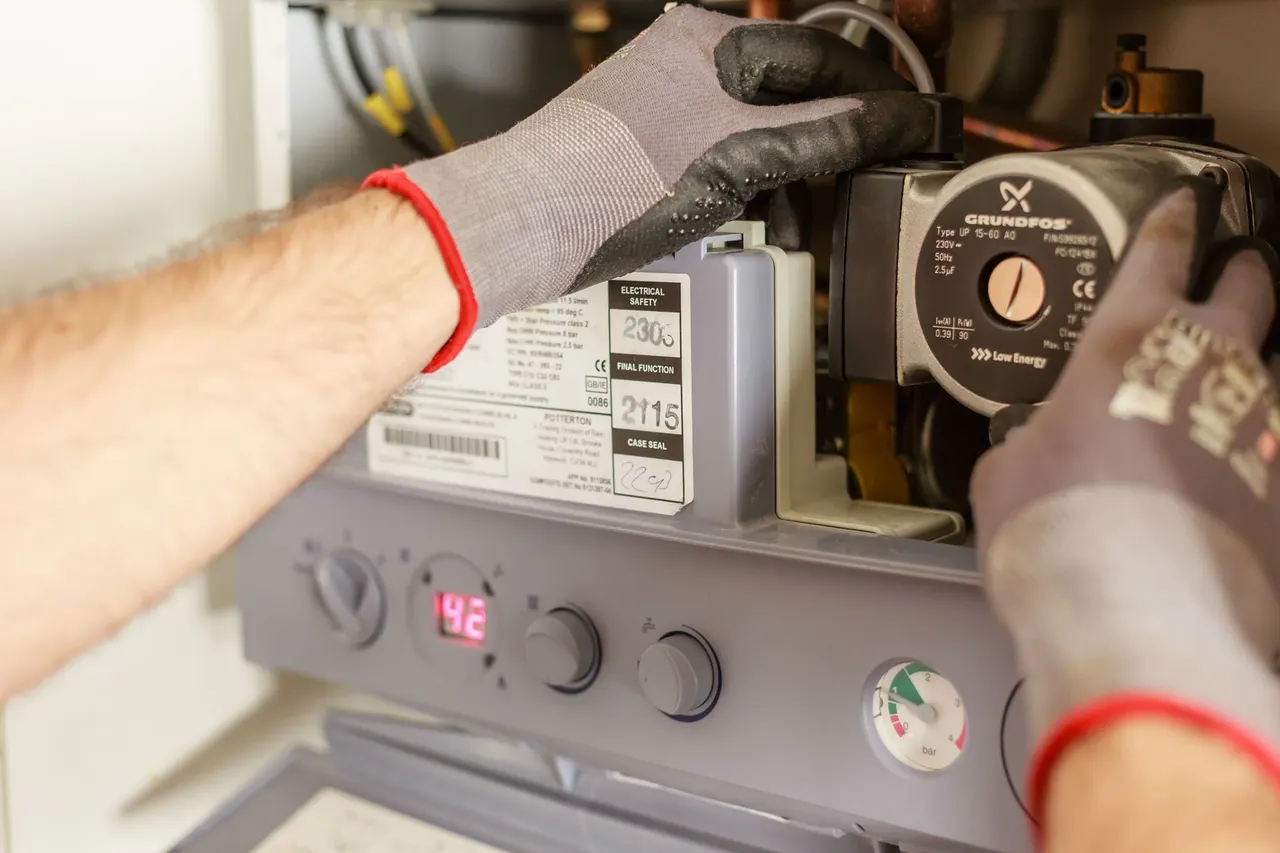
A Downtown Las Vegas rental property with two failed rooftop units and tenants in place.
We schedule the swap for a weekday morning, stage the crane, and phase the two units so each side of the duplex keeps cooling while the other is down.
Outcome: Both units replaced in one day, tenants never lost more than a few hours of cooling, permits closed out.
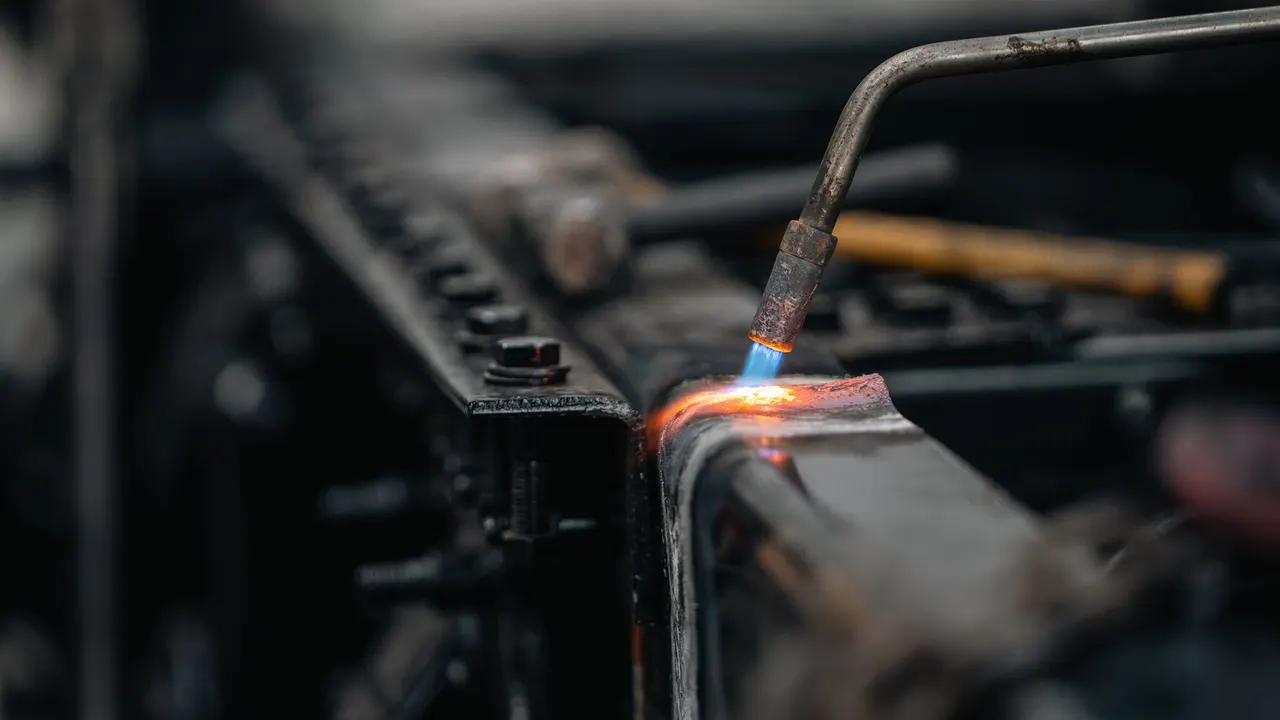
A garage conversion in Enterprise that never cooled properly on the original ductwork.
We size a Mitsubishi Electric ductless mini-split for the space instead of extending the existing duct run, which would have starved the rest of the house.
Outcome: The addition holds 74 degrees on a 110-degree afternoon, and the main system stops short-cycling.
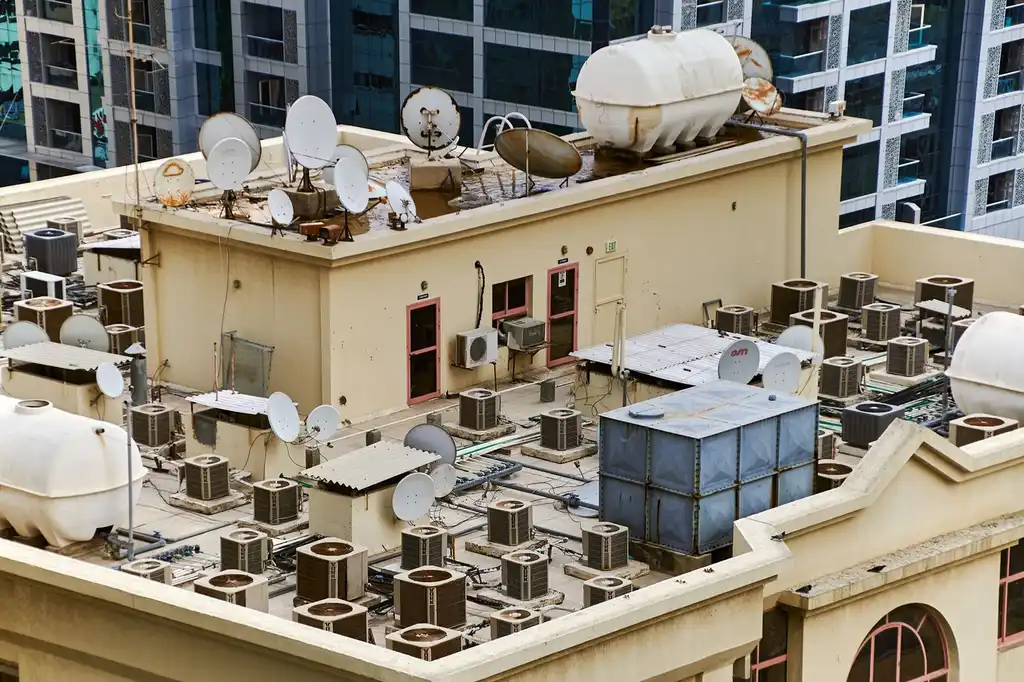
We replace the condenser, coil and line set with an R-410A system, run a manual J, and set a new Ecobee thermostat with a schedule built around their work hours.
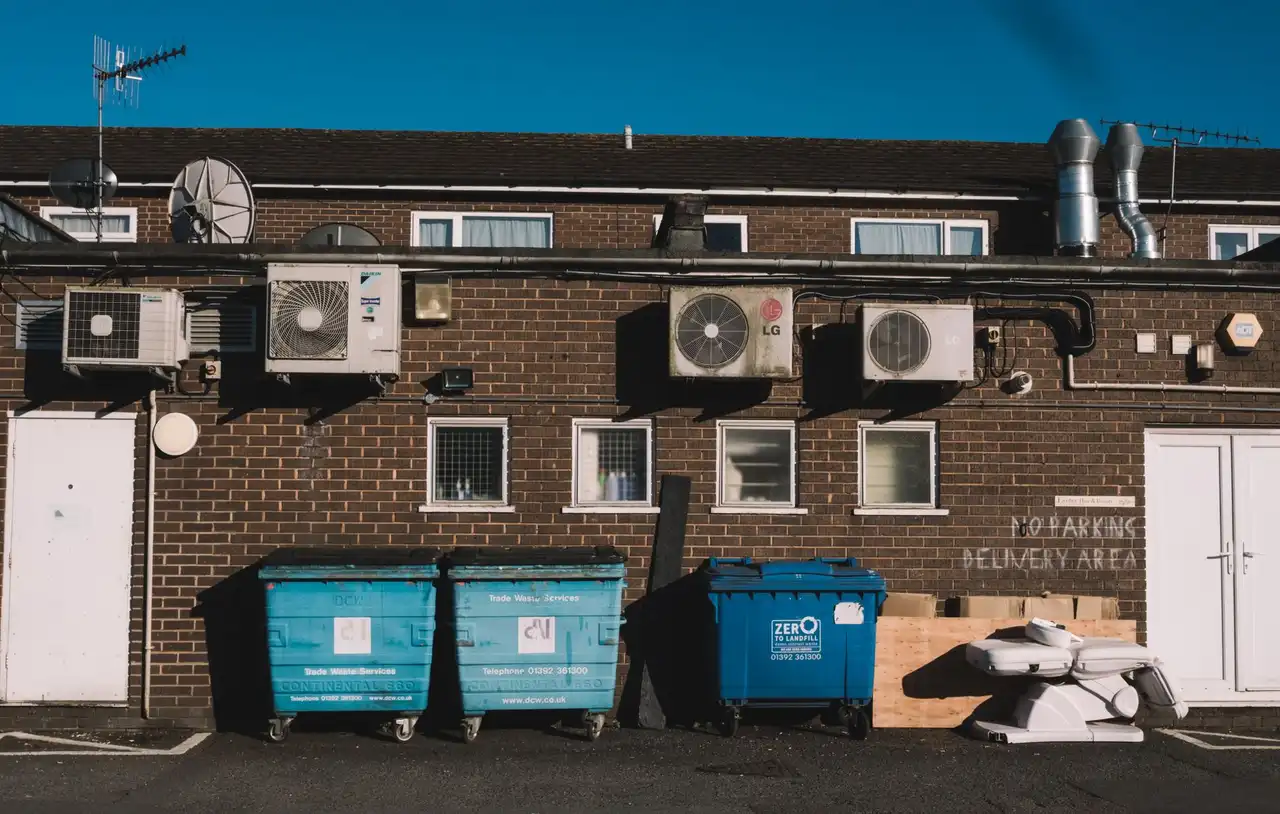
Las Vegas is hard on air conditioning. Summer design temperatures hit 112 degrees, condensers sit on west-facing pads baking all afternoon, and attic spaces run 140 degrees by noon. Equipment that lasts 20 years in a mild climate often fails at 12 here. We size every replacement to local design conditions instead of national averages, which is why our installs hold setpoint at 4 p.m. in August.
Building stock matters too. Homes built before 1995 in Sunrise Manor and Downtown Las Vegas often have undersized return ducts and R-4 attic insulation, so we check static pressure and duct condition before we set a new condenser. If the ductwork is choking the system, we tell you before install day, not after.
Newer builds in Summerlin and Henderson usually have adequate ductwork but undersized electrical disconnects for modern two-stage equipment. We coordinate the electrical upgrade and pull the Clark County mechanical permit on the same visit.
Before: Homeowner was ready to replace.
After: New 3-ton Rheem 16-SEER2 system with a matched coil and new line set. Supply air temperature hit 55 degrees on a 110-degree day, and the breaker stopped tripping.
Rinse the condenser coil monthly, change the 20x25x1 filter every 60 days, and schedule a spring tune-up to check charge and capacitors before summer.
Before: Two 15-year-old rooftop units on a duplex near 89104, both failing in June. Tenants on both sides, no cooling on one unit. Property manager needed a fast, permitted install.
After: Two 3-ton Goodman rooftop units installed in one day with crane staging. Permits pulled through Clark County and inspection passed the following week. Tenants kept cooling on the other side during each swap.
Quarterly filter changes on both units, annual coil cleaning before summer, and a fall check on the heat strips before winter.
Before: A 12-year-old single-stage 5-ton unit in Summerlin that could not hold 78 degrees on August afternoons. Homeowner worked from home and needed reliable cooling during the day.
After: New 5-ton Carrier two-stage system with a Nest thermostat and a corrected return duct. Indoor temperature held 74 degrees through a 112-degree afternoon, and the system ran on low stage most of the day.
Change the 24x24x1 filter every 90 days, keep the thermostat schedule steady, and book a spring tune-up to verify both stages cycle correctly.
Most replacement calls trace back to one of these failures. Each one gets worse in Las Vegas heat, and each one has a point where repair stops being worth it.
A correctly sized replacement holds setpoint on the hottest afternoons and cuts summer power bills.
A 16-SEER2 system replacing a 10-SEER unit from 2008 can cut cooling costs 30 to 40 percent.
Old capacitors, contactors and blower motors fail more often once a system passes 12 years.
We run a manual J load calculation on every replacement instead of matching the old tonnage. Oversized units short-cycle, leave rooms humid, and burn out compressors early. Right-sized equipment holds 75 degrees on a 112-degree afternoon without running nonstop.
Modern condensers run 20 to 30 percent quieter than 2005-era units. Paired with a Nest or Ecobee thermostat and fresh air filters, you get steadier temperatures room to room and far less dust pulled through the return.
Clear records you can keep and share.
Equipment model numbers and labor line items.
Signed Clark County inspection record.
Temperatures, amp draw and charge recorded.
Sizes and change intervals for your system.
Age, repair history and compressor condition decide it. Here is how the three common situations break down.
Worth it on units under 10 years
Depends on compressor and coil
Compressor or coil failure on old units
A list like this tells people straight away whether you cover their street. Not listed? Call and ask: it only takes a minute.
Based in Las Vegas and covering the places around it. Pick one for local details.
A 3-ton 14.3-SEER2 single-stage system on an existing line set sits near the low end. A 5-ton two-stage or variable-speed system with a new line set and duct work pushes toward the top. Attic access, crane lifts and electrical upgrades add cost.
A standard residential swap takes six to nine hours, done in one day. If we are replacing the line set inside a finished wall, adding a crane lift for a rooftop unit, or upgrading the electrical disconnect, plan on two days. We confirm the timeline in the written quote so you can plan around it.
We install Carrier, Trane, Lennox, Goodman, Rheem, York, Daikin, Bryant, American Standard and Mitsubishi Electric ductless systems. Goodman and Rheem land at the value end; Carrier and Trane sit higher with longer parts coverage.
Replace when the unit passes 12 to 15 years, when a compressor or evaporator coil fails, or when repair cost passes 40 percent of replacement cost. In Las Vegas heat, a unit that needs R-410A topped off twice in one summer is leaking and will not survive another July. We will tell you honestly which side of that line you are on.
Other services from the same team.
Same-day written estimates, permits pulled, and installs sized for Nevada heat. Call now and we will tell you straight whether you need a replacement or a repair.
Call us any time, day or night, for no-cool emergencies. For routine service, we book morning and afternoon windows and confirm before we head your way. You can also email us with your address and a quick description of the problem, and we will get back to you fast.