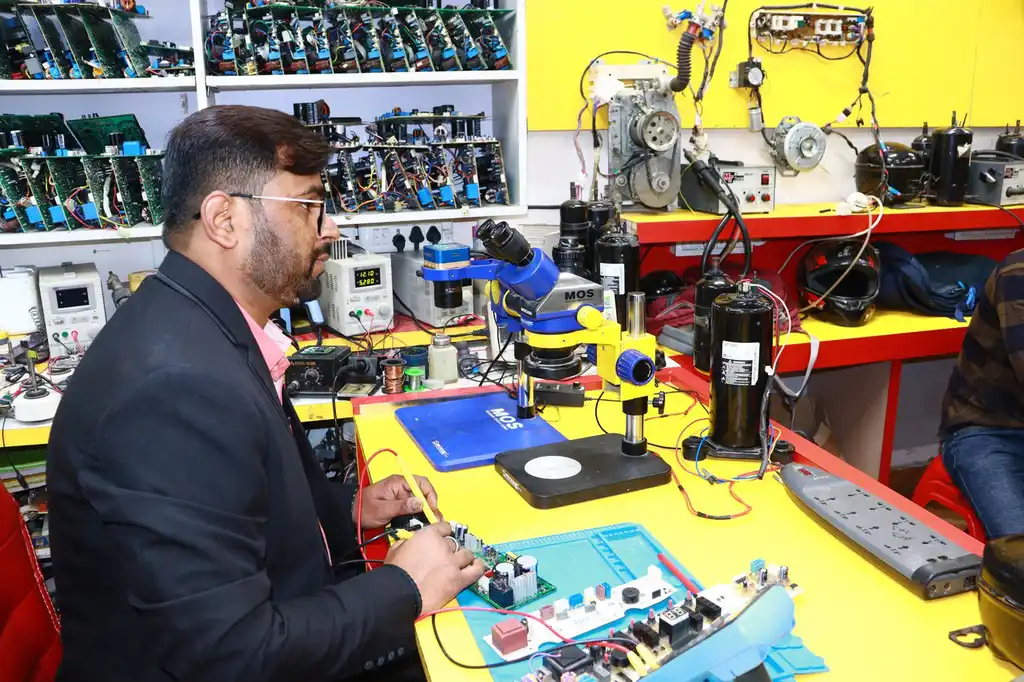
For homes
We size your system for your house, not a rule of thumb. You get a written scope, a permit, and a commissioned system before we leave.
- Old unit past 15 years
- Hot rooms in summer
- Power bill climbing yearly
AC Installation Las Vegas NV means matching a condenser, evaporator coil, and duct system to a house that bakes at 115 degrees in July. We size every job with a Manual J load calculation, pull the Clark County permit, and set the line set and thermostat so the system runs at its rated capacity. If your old unit is limping through another summer, we can have a new one cooling your house in a day.
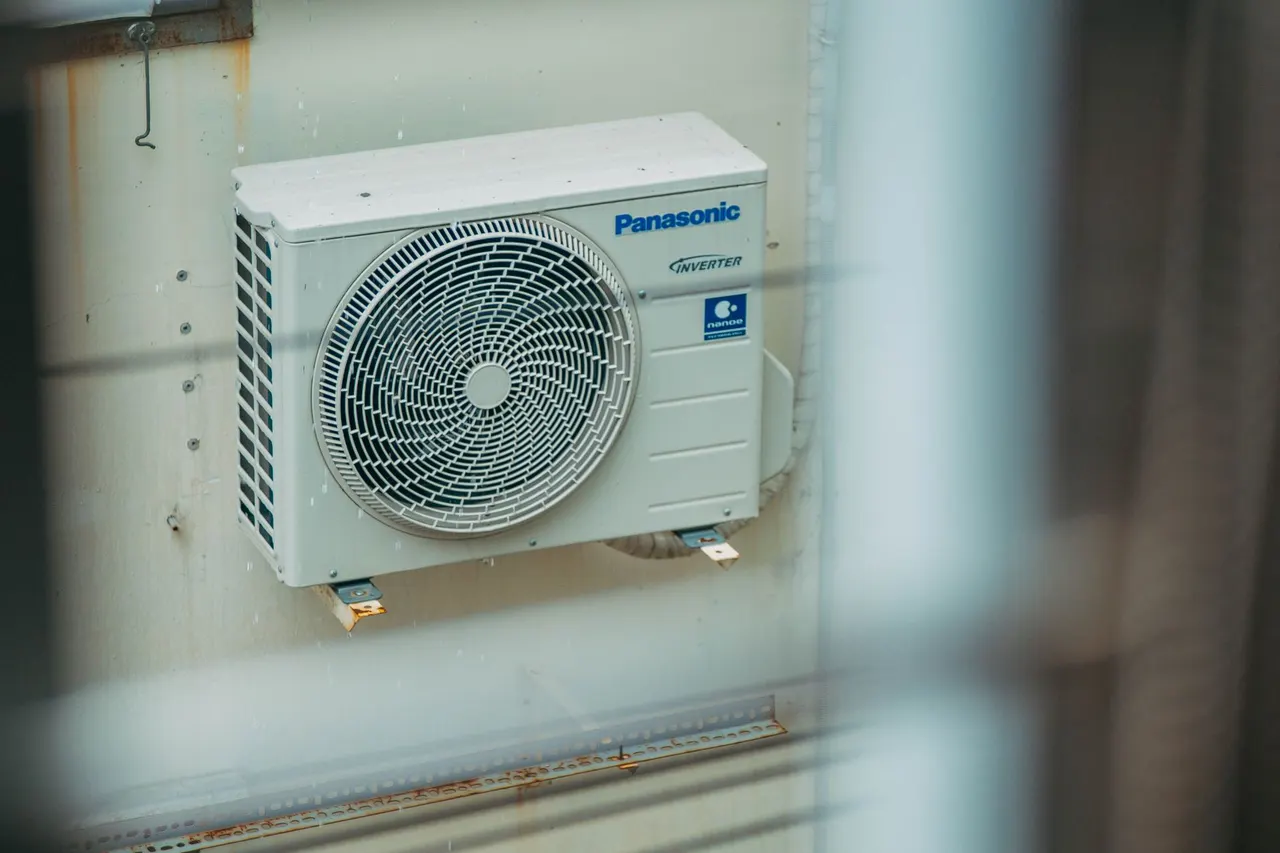 Manual J sizingPermit pulledCharge by weight
Every install we do covers the equipment, the labor, the permit, and the commissioning. Add-ons like new duct work, a crane lift, or a smart thermostat are quoted separately so you can see exactly what you are paying for. Here is what is in the standard scope.
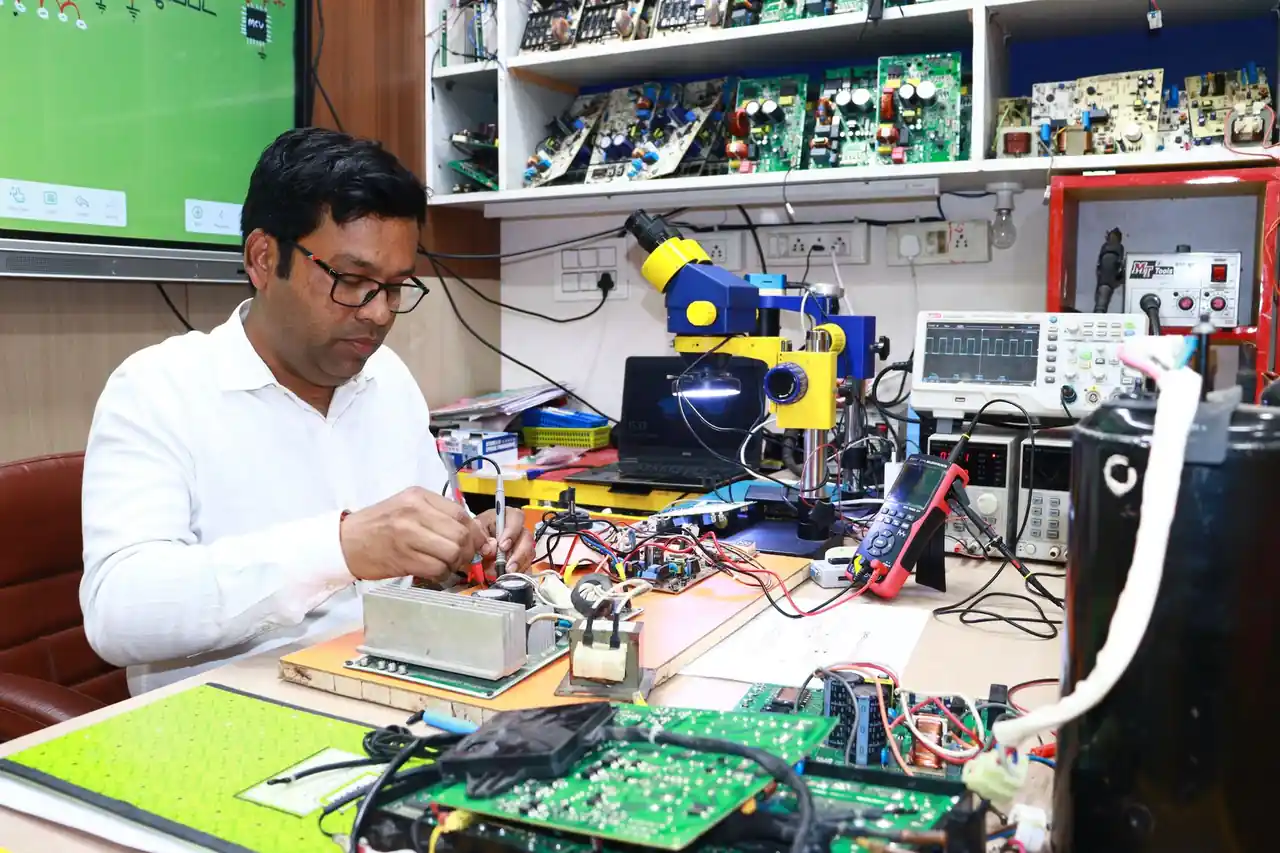
We measure square footage, window exposure, insulation, and duct leakage to size the system correctly. This is the single most important step, and it is why a correctly sized 3-ton unit will outperform an oversized 4-ton every July afternoon.
Condenser, evaporator coil, and line set are matched to AHRI standards so the rated SEER2 is what you actually get. We install Carrier, Trane, Lennox, Goodman, Rheem, York, Daikin, and Mitsubishi Electric depending on your budget and efficiency target.
We pull the Clark County mechanical permit and schedule the final inspection. Permitted work protects you at resale and confirms the install meets current code for refrigerant handling, electrical disconnect, and condensate routing.
We pull a vacuum to 500 microns or below, then weigh in R-410A or R-32 refrigerant by scale. No gauge guessing, no topping off. The charge is verified against the manufacturer's superheat and subcooling chart before we leave.
A new thermostat is included, and we can upgrade to a Nest or Ecobee if you want scheduling and remote control. We wire it, set the schedule, and show you how to use it before we pack up.
We check static pressure, temperature split across the evaporator coil, and amp draw on the compressor.
The approach is the same for a home and a business. What changes is the access, the schedule and who needs the paperwork.
We size your system for your house, not a rule of thumb. You get a written scope, a permit, and a commissioned system before we leave.
We install rooftop and split systems sized for occupancy load. Work is scheduled around your hours so you do not lose a day of business.
A plain-language look at what AC Installation involves and when it is needed.
See how it worksAC Installation Las Vegas NV is the full replacement or first-time fit of a central cooling system, including the condenser, evaporator coil, line set, thermostat, and any duct work the job needs. We start with a Manual J load calculation so the tonnage matches your square footage, window exposure, insulation, and attic temps. Then we pull the Clark County permit, set the pad, braze the line set, pull a deep vacuum, weigh in R-410A or R-32 refrigerant, and commission the system against the manufacturer's charging chart.
Most Las Vegas homes we walk into are running a 15 to 20 year old unit that was oversized on the original install. That short-cycles the compressor, spikes your power bill, and leaves the back bedrooms hot by 4 p.m. A new air conditioning system installation Las Vegas Nevada homeowners can actually rely on starts with correct sizing and a tight duct system. If you have been searching for AC installation Las Vegas NV near me, we serve the whole valley and can usually quote the same day you call.
Correct sizing and a proper vacuum matter more than the brand on the box.
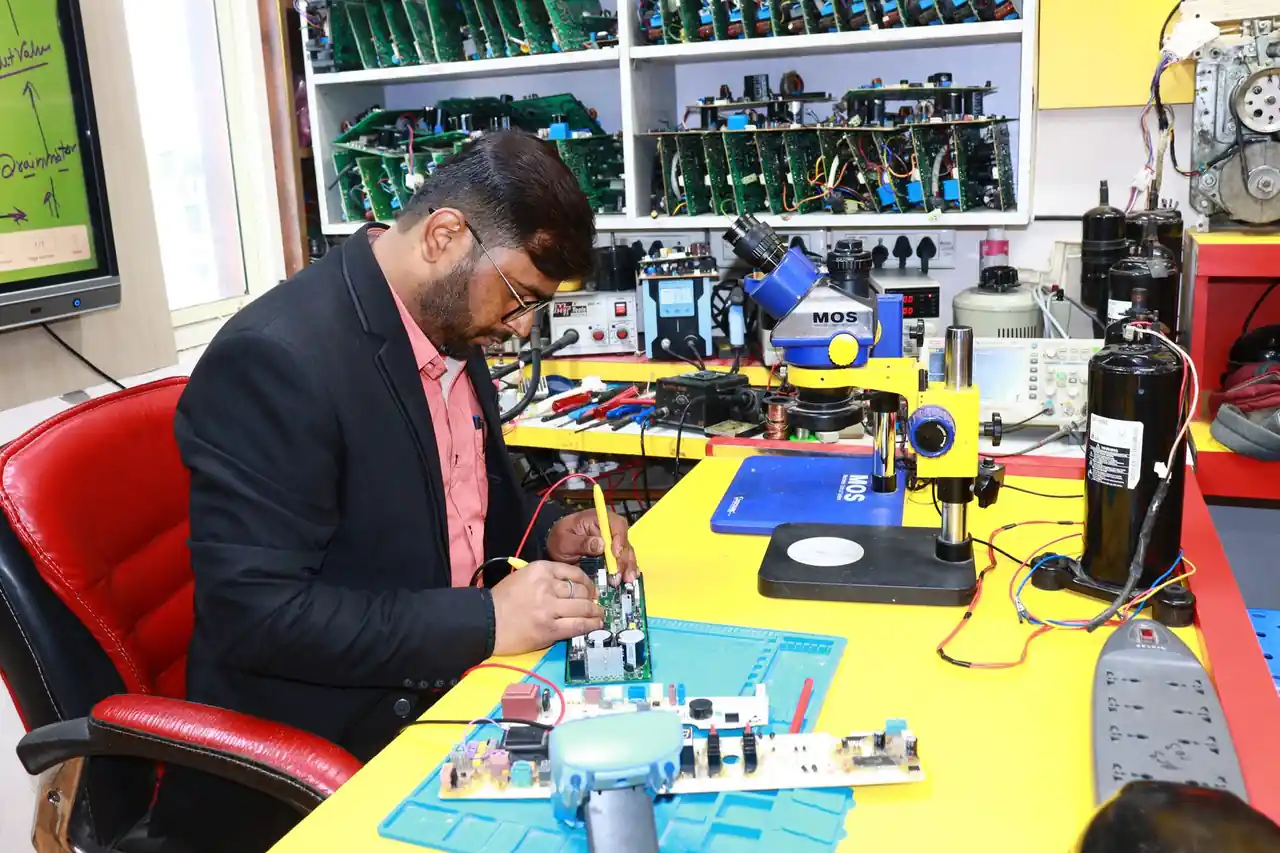
Five steps from the first phone call to a commissioned system. Most single-family replacements are done in one day; two-story or duct-heavy jobs run into a second.
We measure square footage, count windows and their exposure, check attic insulation depth, and inspect the existing duct work and return size. This is where the Manual J load calculation gets its inputs. Takes about 45 minutes, and you get a written scope and price before we leave.
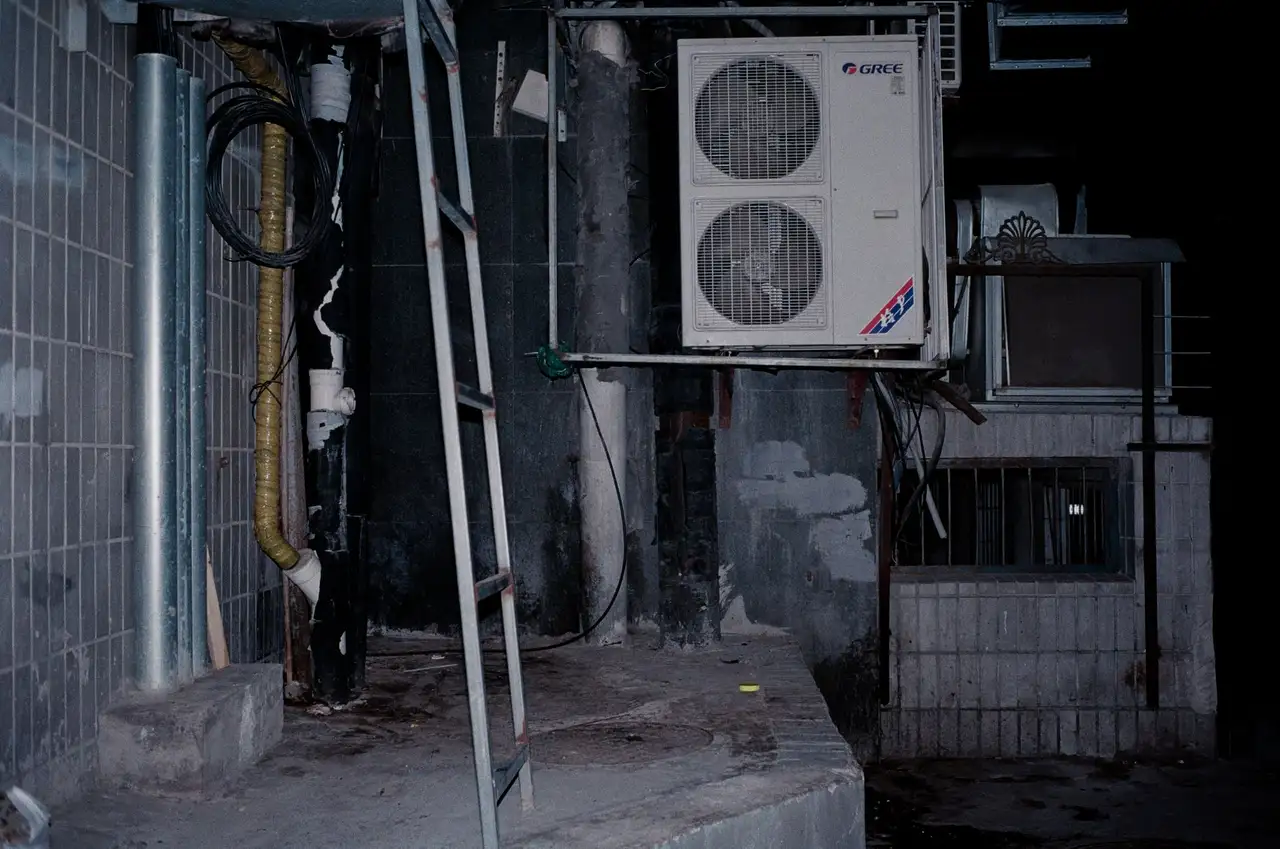
We walk you through Carrier, Trane, Lennox, Goodman, Rheem, York, Daikin, and Mitsubishi Electric options at different SEER2 tiers, plus Nest or Ecobee thermostat choices. You pick the efficiency level; we handle the AHRI-matched coil and condenser pairing so the rated efficiency is what you actually get.
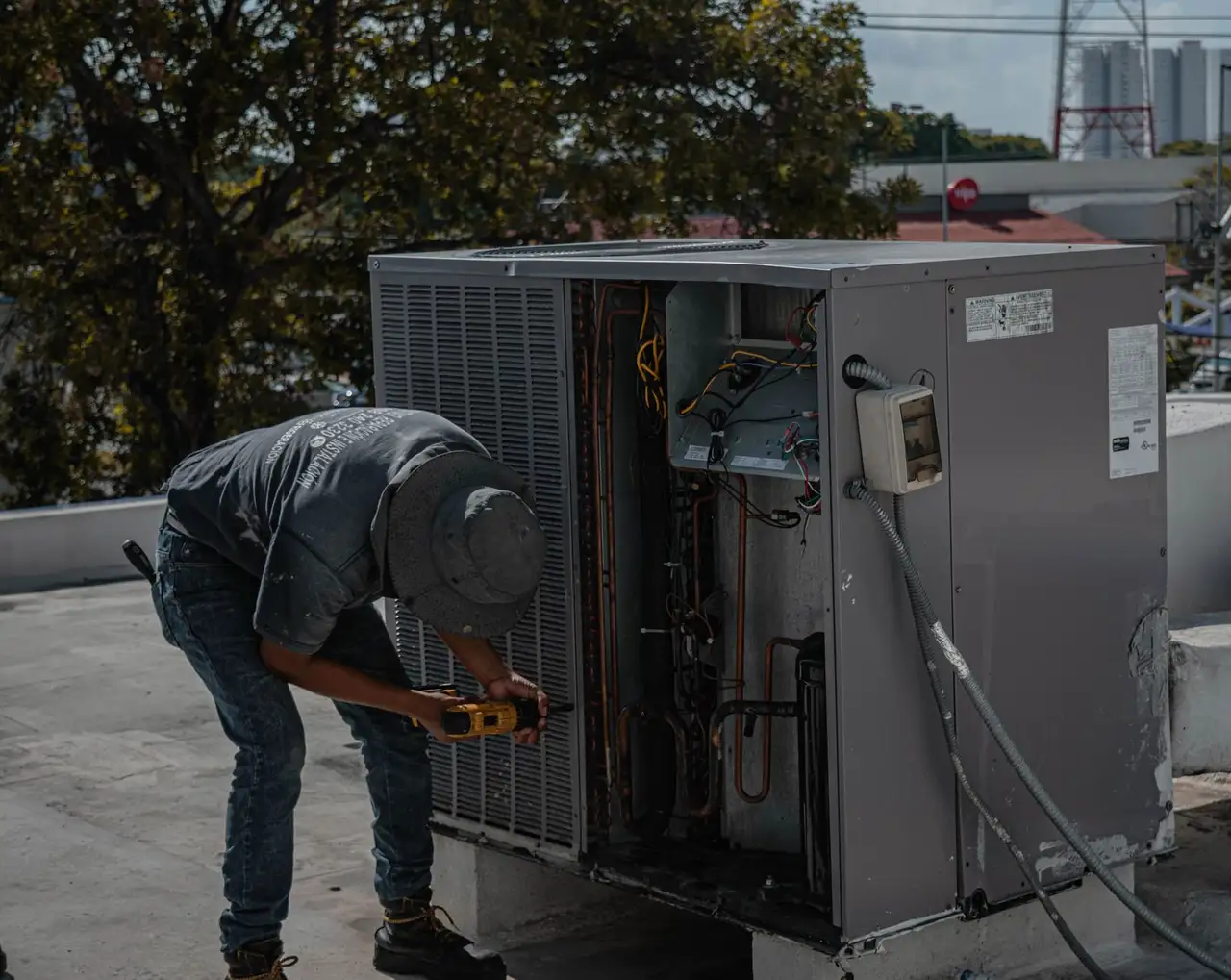
We pull the Clark County mechanical permit and schedule the install, usually within two to five days. You get a window, not a vague all-day promise. If the job needs a crane for a rooftop or tight-side-yard condenser, we arrange that too.
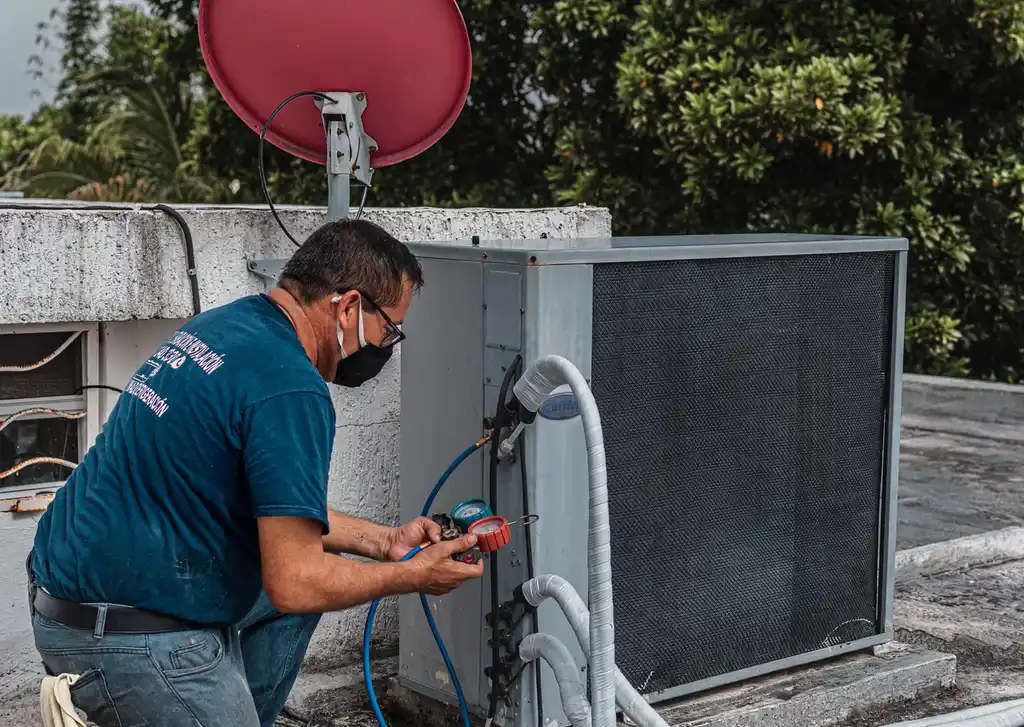
The crew sets the pad, removes the old equipment, runs the new line set, brazes with nitrogen flowing, and pulls a vacuum to 500 microns or below. We weigh in refrigerant by scale, not by gauge guess. Duct modifications, drain line routing, and the thermostat get done the same day.
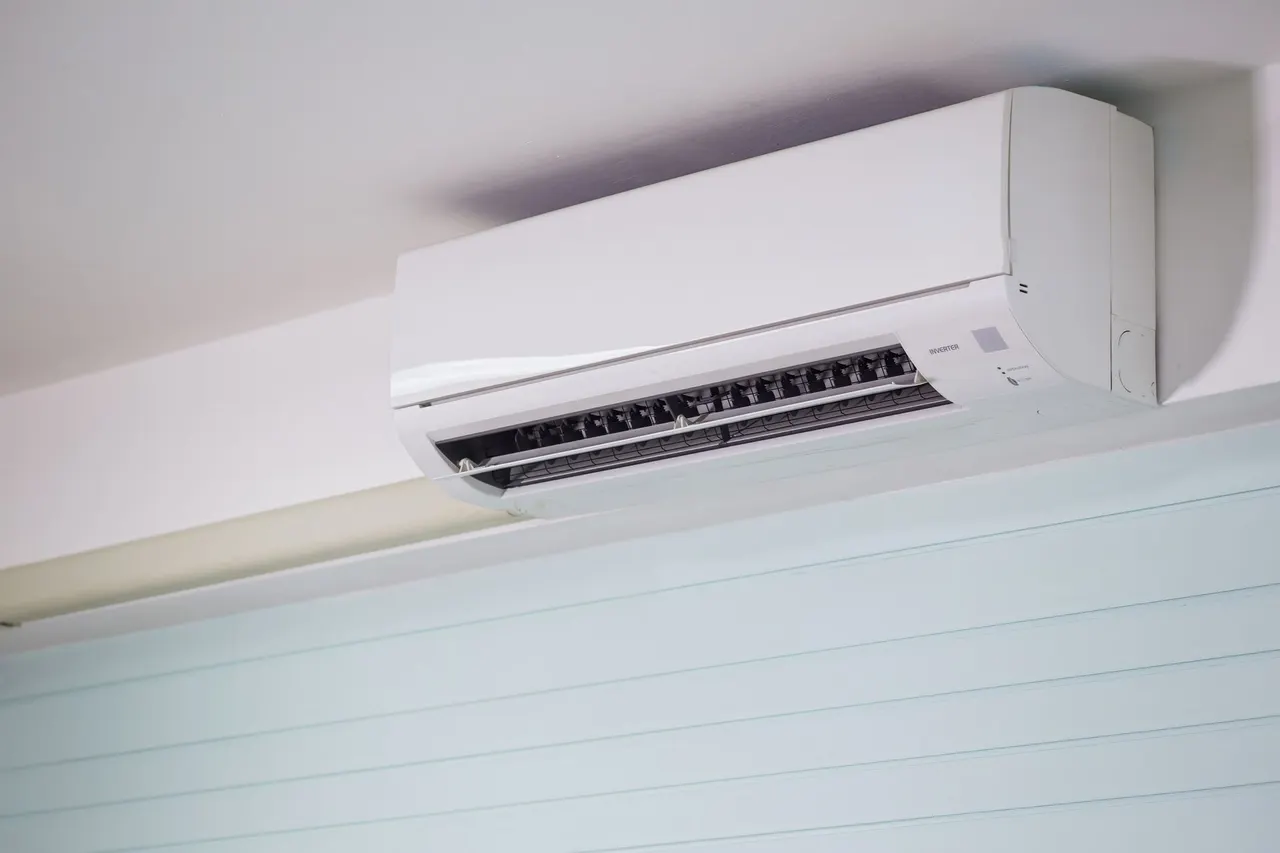
We start the system, check superheat and subcooling against the manufacturer's chart, verify static pressure, and measure the temperature split across the evaporator coil.
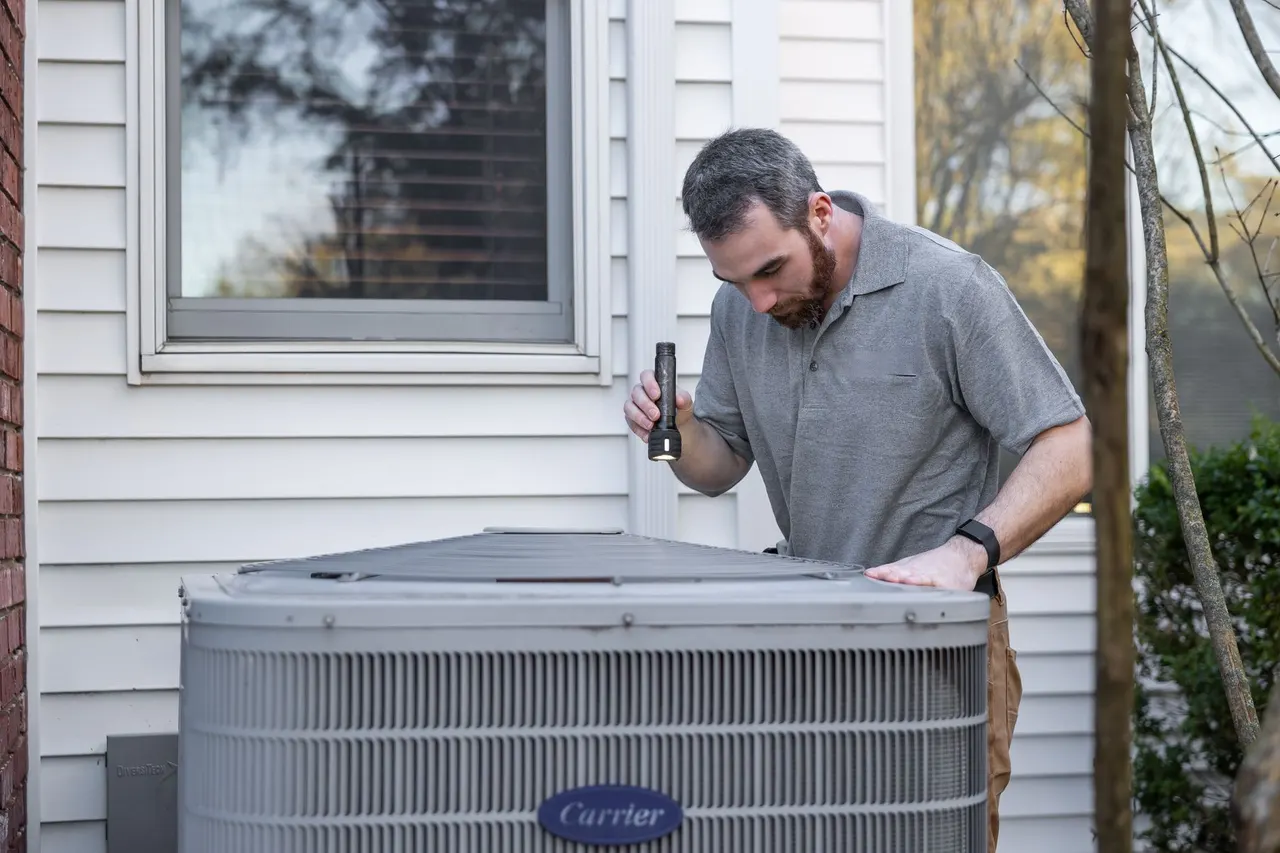
Move across a circle, or focus it and press Enter, for an illustrative thermal view of the photograph.
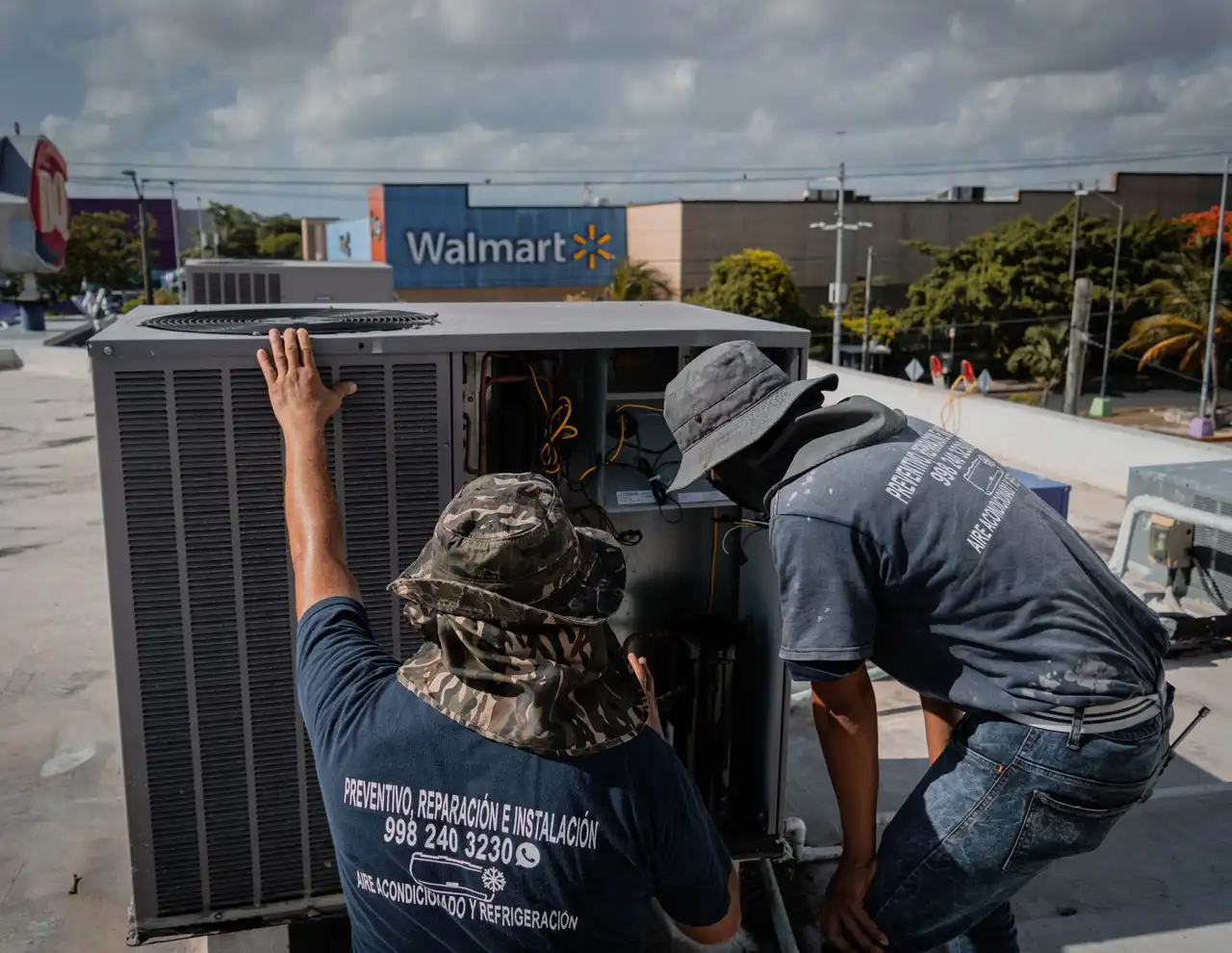
Reads high-side and low-side pressures during charging and diagnostics. We use it alongside superheat and subcooling calculations, not as a standalone charge method.
Pulls the line set down to 500 microns or below before charging. Skipping this step leaves moisture in the system, which kills compressors and clogs expansion valves.
Recovers refrigerant from the old system per EPA Section 608 before we remove the equipment. Nothing vents to atmosphere on our jobs.
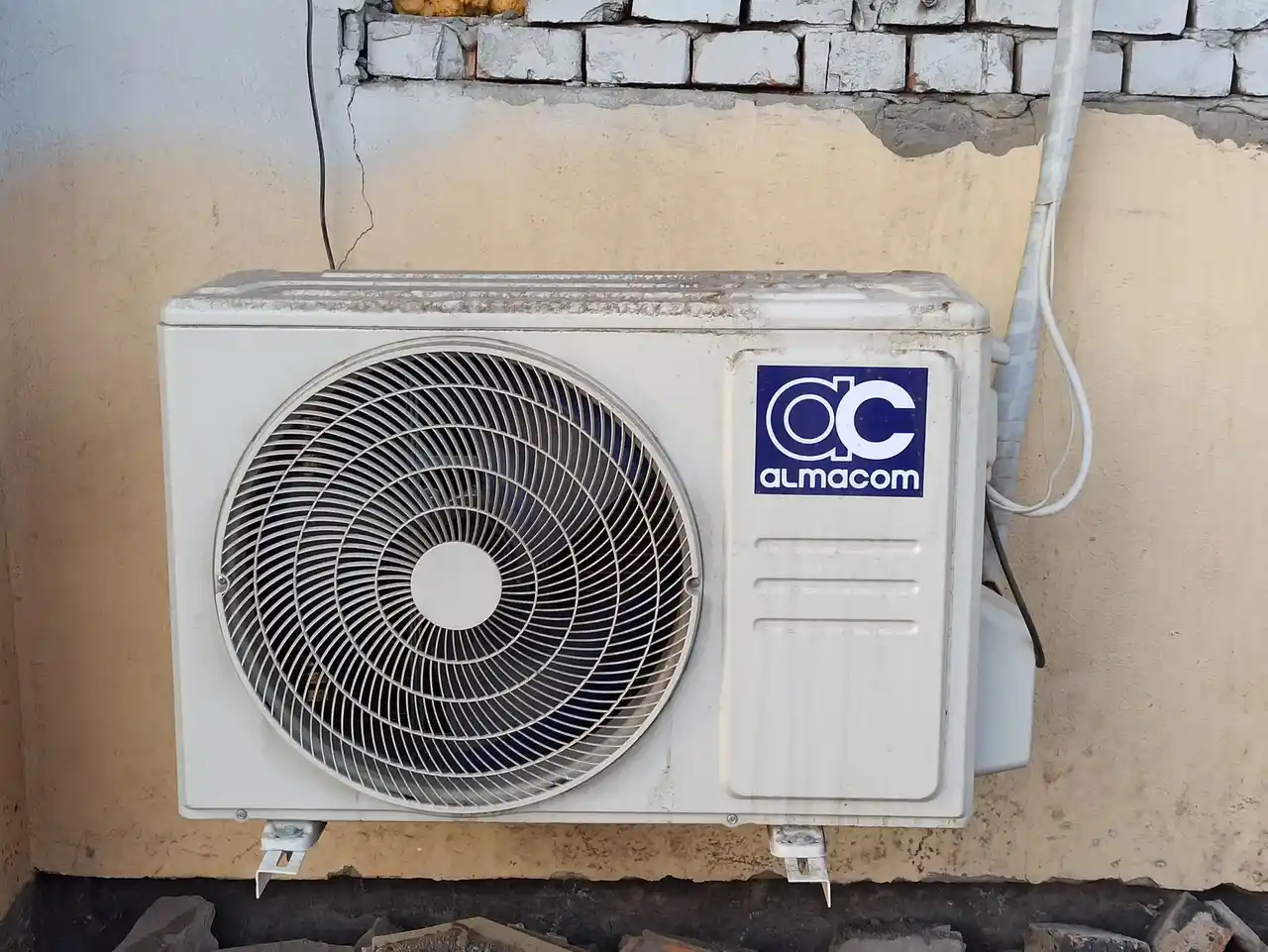
Weighs in R-410A or R-32 by the ounce so the charge matches the manufacturer's spec exactly. Gauge-only charging is how systems end up overcharged and inefficient.
Pressure-tests the new line set with nitrogen and checks every braze joint before we pull a vacuum. Finding a leak now beats finding it in August.
Thermal views are illustrative, generated from the photographs.
Verifies amp draw on the compressor and blower motor, checks capacitor microfarads, and confirms control voltage at the thermostat and contactor.
Straightens bent condenser fins and cleans the coil on reused equipment. On a new install we check the factory fins before the unit goes on the pad.
ACCA-approved sizing method that accounts for square footage, window exposure, insulation values, ceiling height, and local design temperatures. This is how we determine tonnage, and it is why we do not size by square footage alone.
Condenser and evaporator coil are matched through AHRI so the rated SEER2 is achievable in the field.
We braze line set joints with nitrogen flowing to prevent oxidation inside the tubing, then pressure-test with nitrogen before evacuation. This is standard practice on every install, not an upsell.
We pull the system down and hold it to confirm no moisture or leaks remain. A system charged without proper evacuation will fail early, usually within two summers in Las Vegas heat.
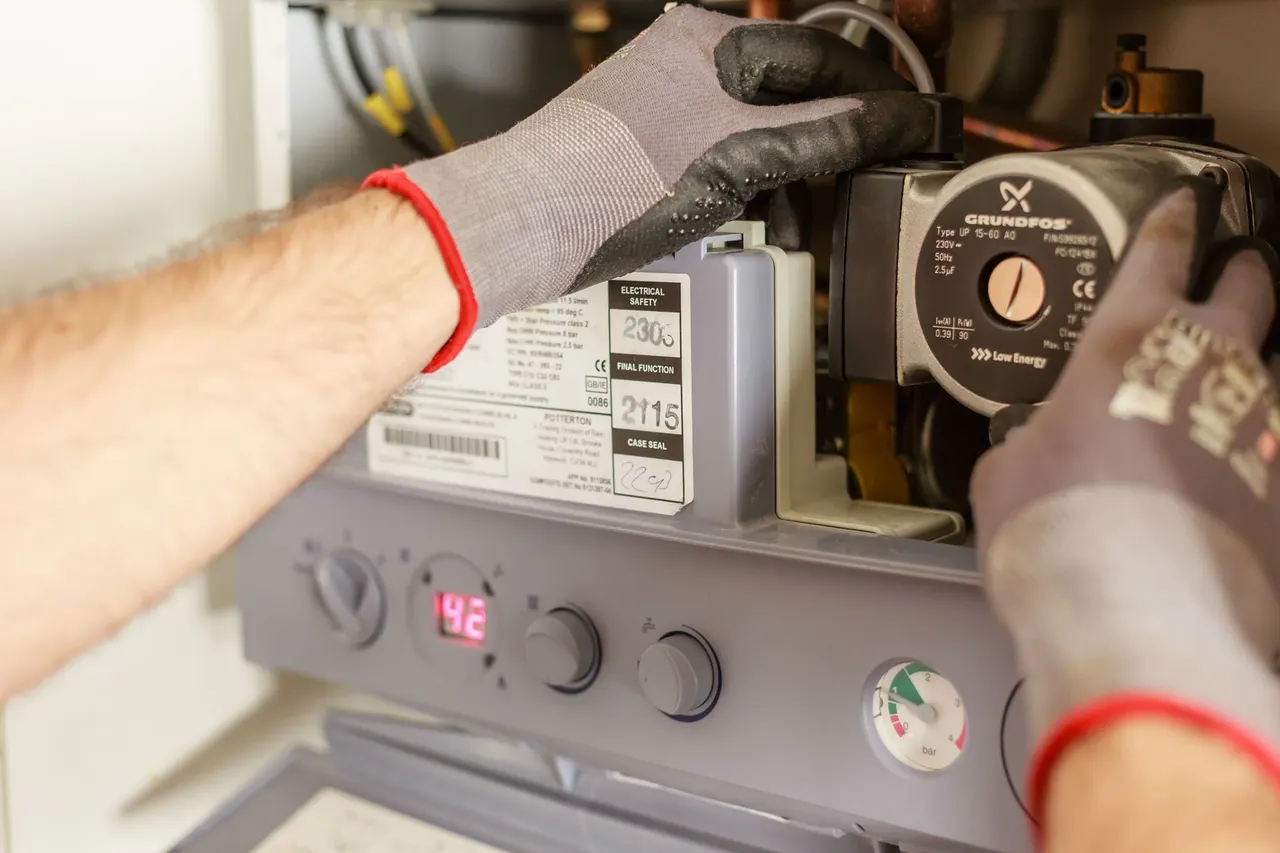
A 2005 builder-grade unit finally fails in July, and the house is 92 degrees inside.
We prioritize same-day assessment, quote a replacement, and schedule the install within 48 hours. In the meantime we can set up a portable cooling plan if the house is unsafe to occupy.
Outcome: New system running within three days, house back to 76 degrees, and a permit on file with Clark County.
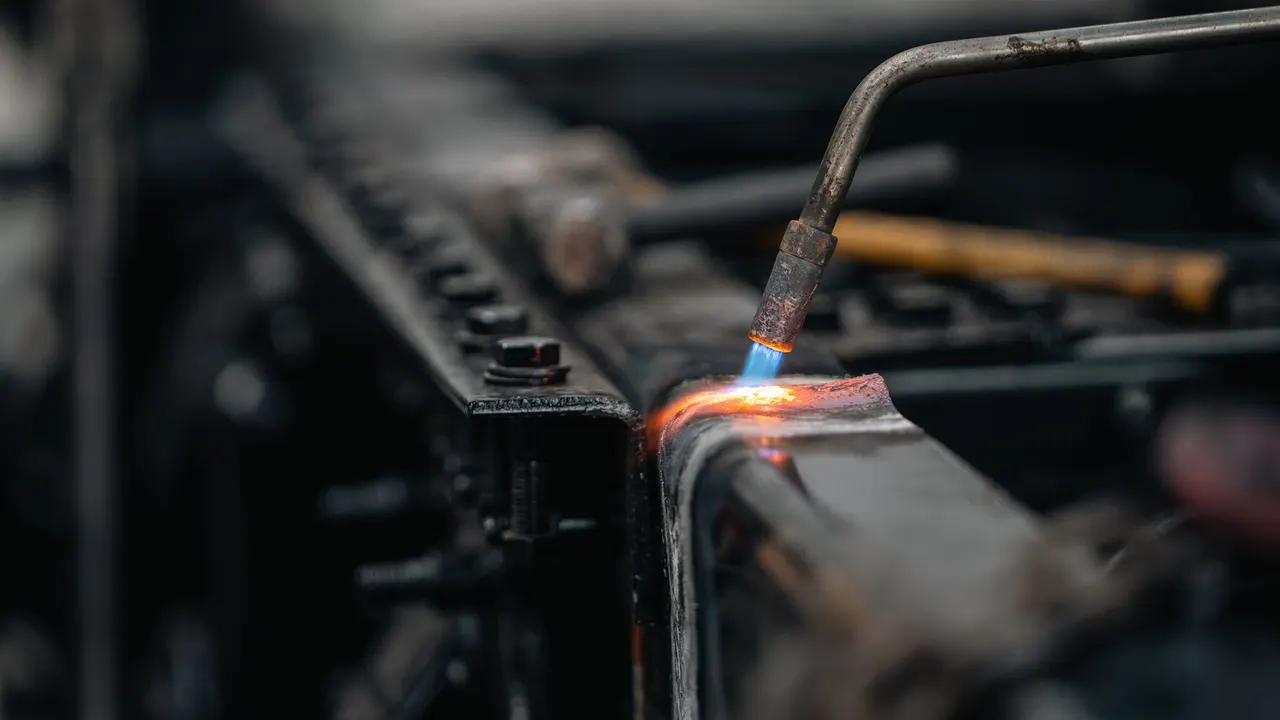
A homeowner is adding a 400 sq ft casita or garage conversion and needs dedicated cooling.
We size a Mitsubishi Electric ductless mini-split for the space, run the line set and drain, and install a dedicated circuit. No need to extend the central duct system.
Outcome: The addition stays comfortable year-round, and the main house AC is not overloaded by the extra square footage.
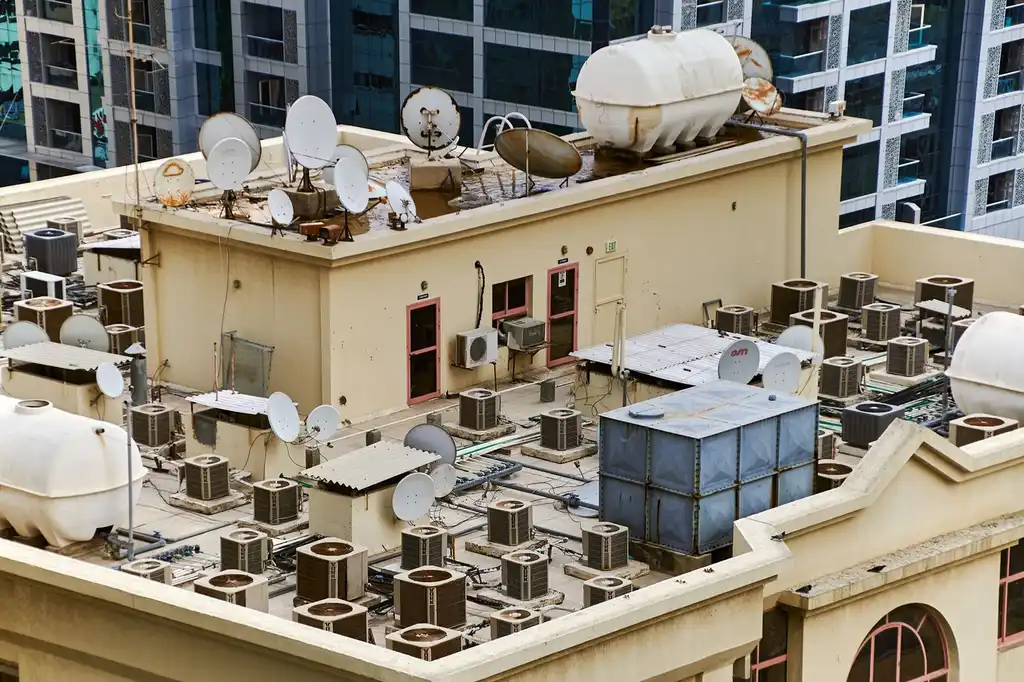
A property manager needs to replace AC in two rentals before summer leasing season.
We quote both units together, pull permits for each address, and schedule back-to-back installs.
Outcome: Both units cooling, paperwork on file, and tenants stop calling about no-cool within the week.
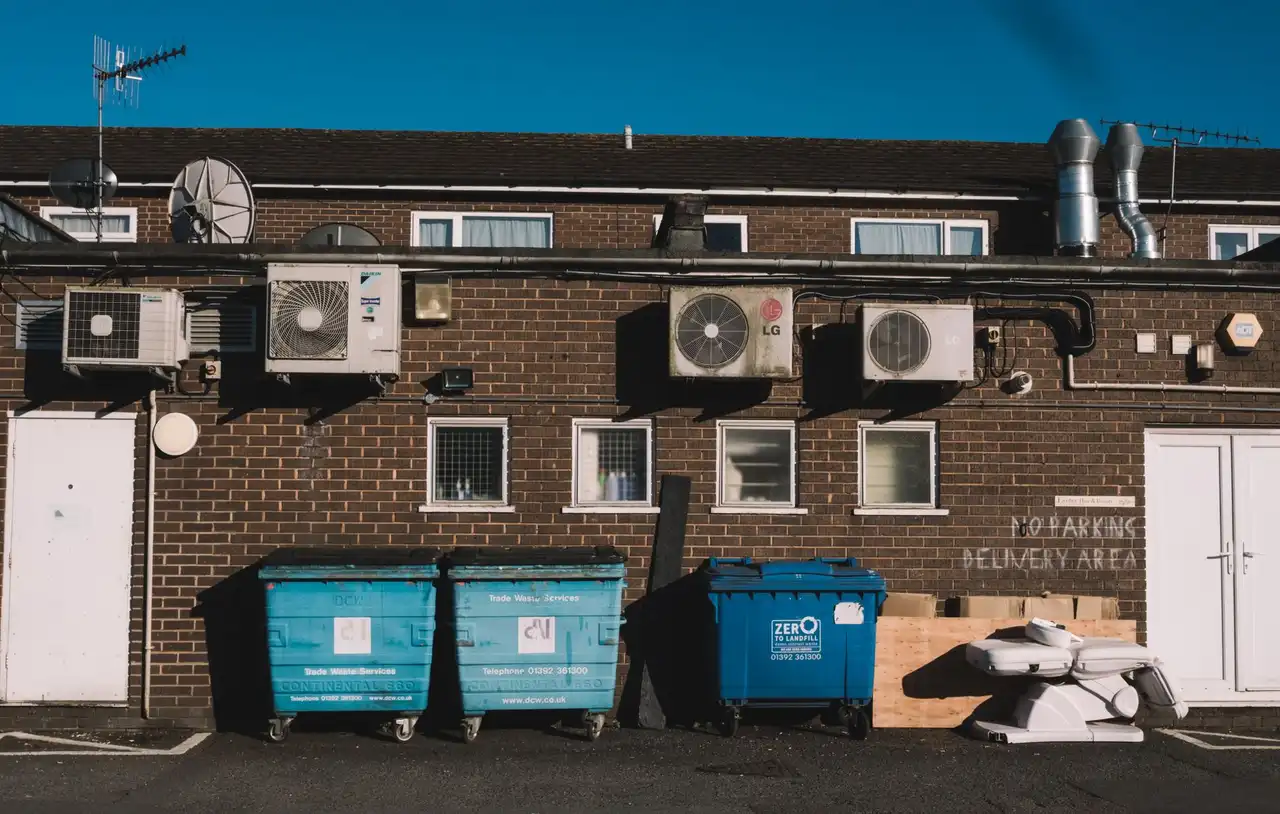
A homeowner is upgrading to a variable-speed system for efficiency and quiet operation.
We install a Daikin or Trane variable-speed system with an Ecobee thermostat, verify static pressure, and commission to the manufacturer's charging chart.
Outcome: Power bill drops noticeably, the hallway is quieter, and the house holds setpoint through the hottest part of the day.
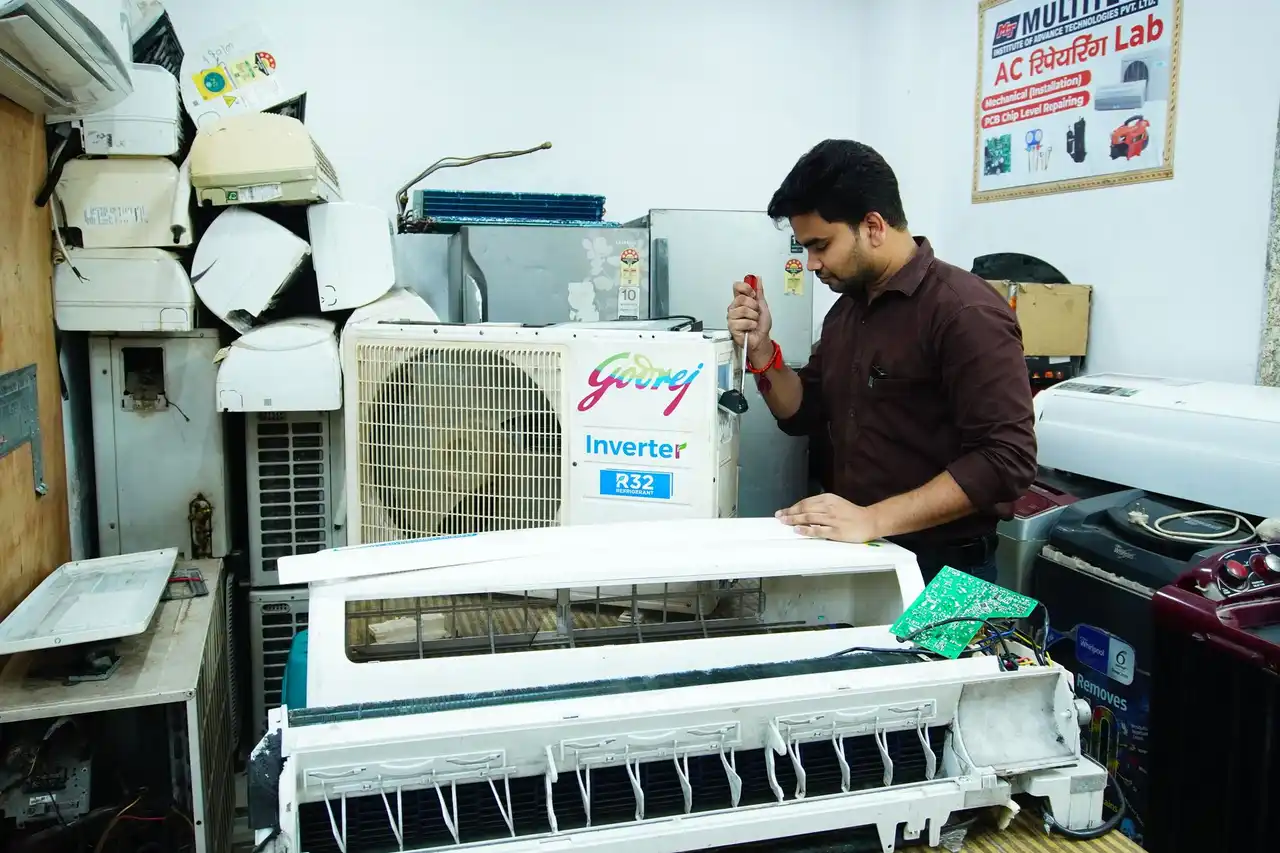
A new homeowner discovers the existing AC was installed without a permit.
We assess the current system, quote a code-correct replacement with a permit, and handle the inspection so the work is legal and documented.
Outcome: Permitted, inspected install that will not raise questions at the next resale.
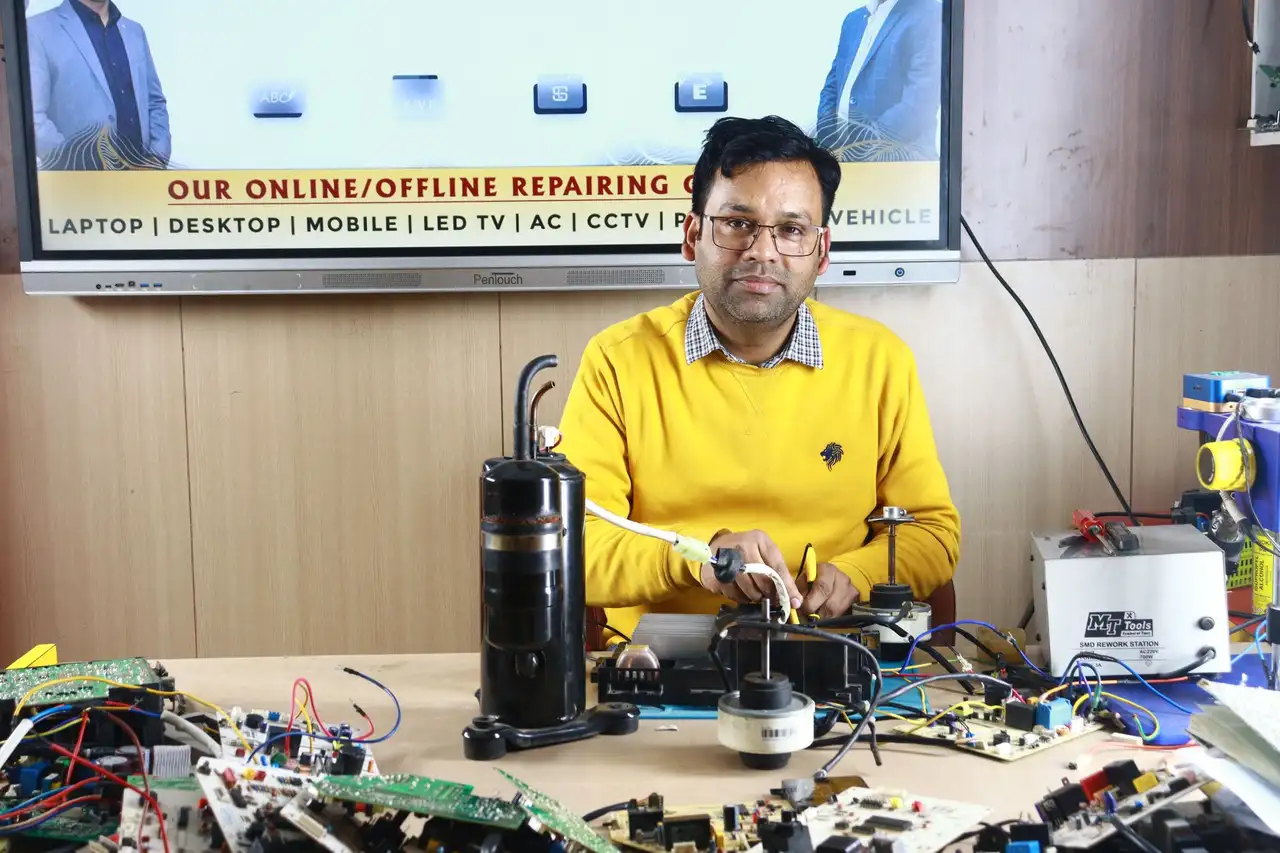
Las Vegas is a punishing climate for cooling equipment. Design temperatures hit 112 degrees in July, attic spaces run 140 to 160 degrees, and systems run 8 to 10 months a year. That means equipment selection and sizing matter more here than in milder markets, and duct work in the attic takes a beating from the heat.
Most of the housing stock we work on falls into three buckets: 1970s to 1990s tract homes with original duct work, 2000s builder-grade installs now hitting end of life, and new construction in Enterprise and Summerlin. Each one gets a different approach. If you are pricing the cost to install AC in Las Vegas NV, the biggest variables are tonnage, SEER2 tier, and whether the duct system needs modification.
We pull Clark County permits on every job and schedule the inspection so the work is documented.
Before: A 3-ton Carrier from 2004 was short-cycling, and the back bedrooms never got below 82 in July.
After: We installed a 4-ton Trane 16-SEER2 system with an AHRI-matched coil and a Nest thermostat.
Annual spring tune-up with coil cleaning and refrigerant charge check. Filter changes every 60 days during cooling season, and a drain line flush each spring.
Before: A 2008 builder-grade unit in Summerlin was cooling the living room fine but leaving two upstairs bedrooms hot. The original duct work had multiple leaks and an undersized return.
After: We installed a Daikin variable-speed system, sealed the duct leaks, and upsized the return. Upstairs bedrooms now hold 76 degrees at 4 p.m., and the system runs at a lower fan speed most of the day.
Filter changes every 90 days, annual static pressure check, and a duct inspection every three years to catch new leaks before they cost efficiency.
Before: A 400 sq ft casita in Enterprise had no dedicated cooling and was relying on a window unit that could not keep up. The main house AC was working harder to compensate.
After: We installed a Mitsubishi Electric ductless mini-split with its own circuit and drain. The casita holds 74 degrees on a 110-degree day, and the main house system is no longer overloaded.
Clean the indoor filter every 30 days, and have the outdoor unit coil washed once a year before summer. Line set and drain get checked at the annual service.
Most of the calls we get are not really about a broken part. They are about a system that was sized wrong, installed wrong, or is simply past its useful life in a climate that punishes equipment.
A correctly sized system holds setpoint and cuts summer power bills.
A 16-SEER2 system replacing a 10-SEER unit from 2005 can cut cooling power draw by roughly a third. On a 2,000 sq ft Las Vegas house running 10 hours a day in July, that is real money back every month, and it compounds across a 15-year equipment life.
Oversized and undersized systems both fail the afternoon test. We size to the Manual J number, so the unit runs long enough to pull humidity and actually reach 78 degrees when the outdoor air is 112. No more thermostat creeping to 84 by dinner.
no-cool calls.
Modern variable-speed blower motors and a fresh air filter setup cut the noise floor in the hallway and pull more dust out of the return. If anyone in the house has allergies, a new system plus a MERV 11 filter is a noticeable change in the first week.
Clear records you can keep and share.
Equipment models and line items
Clark County mechanical permit
Superheat, subcooling, temperature split
The tonnage and SEER2 tier you pick determine comfort, power draw, and how long the system lasts in Las Vegas heat.
Single-stage 14.3 SEER2 split system
Two-stage 16 to 17 SEER2 system
A list like this tells people straight away whether you cover their street. Not listed? Call and ask: it only takes a minute.
Based in Las Vegas and covering the places around it. Pick one for local details.
A basic 3-ton 14.3 SEER2 split system lands near the low end; a 5-ton variable-speed system with new duct work and a Nest thermostat sits at the top. We give you a written scope and price before any work starts.
Size comes from a Manual J load calculation, not square footage alone. A 1,800 sq ft Las Vegas house with west-facing windows and a hot attic often needs 3.5 to 4 tons, while the same square footage with shade and new insulation may only need 3. Oversizing is the most common mistake we see, and it causes short cycling, high humidity, and premature compressor failure.
A straightforward single-family replacement takes one day, roughly 8 to 10 hours. Two-story homes, rooftop units, or jobs that need duct modification usually run into a second day. We schedule a morning start so the system is running and commissioned before evening, and you are not sleeping in a 90-degree house.
A local company knows Clark County permit requirements, the equipment that holds up in desert heat, and how to size for 112-degree design days. A national chain subcontracts the work and disappears when the compressor fails in year three. We are here for the follow-up.
Other services from the same team.
Call Vegas Air Fix and we will schedule an in-home assessment, run the Manual J, and hand you a written price before we leave. Same-day estimates on most jobs, and we install to Clark County code with the permit pulled in your name.
Call us any time, day or night, for no-cool emergencies. For routine service, we book morning and afternoon windows and confirm before we head your way. You can also email us with your address and a quick description of the problem, and we will get back to you fast.